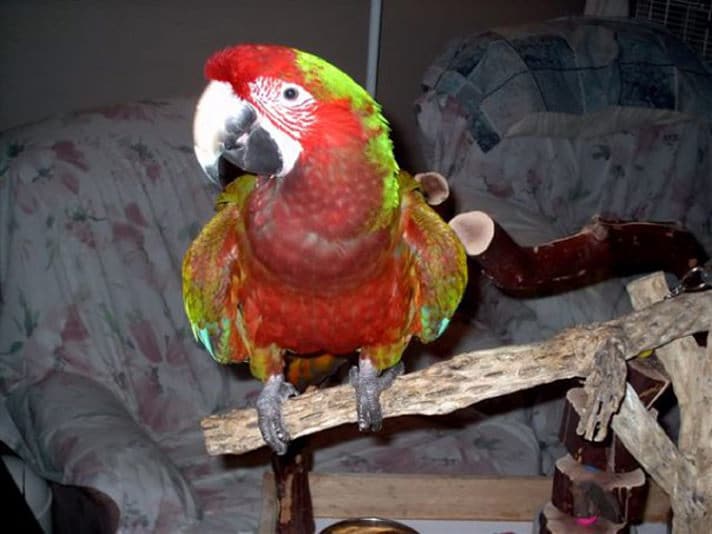
When a bird works to assist in therapy or offer comfort or emotional support to an individual with a disability under the care of a trained medical professional, the bird is working as an “emotional support animal,” an “assistance animal,”or a “therapy animal.” Different legal rules apply to service animals, emotional support animals and pets. Parrots and some other species of birds are known to be extremely empathetic and tuned into the emotional environment around them. They can sense stress and tension, anger and distress in their owners, before these bubbling feelings break the surface. Such sensitivity can be harnessed and birds, like other species, can be trained to use these abilities to help individuals with psychological or emotional disabilities. In one famous case, a bi-polar man relied on his empathetic African grey parrot to intuit when a rage-like episode was coming on and encourage him to “calm down!” He carried her in a cage fitted with straps like a backpack so she could travel with him anywhere. She was trained to repeat soothing phrases and sounds to talk him down. Abused and injured parrots, harbored in refuges, exhibit uncertainty and mistrust of humans similar to the feelings of veterans experiencing post traumatic stress disorder. A number of unique programs run out of charitable aviaries draw on these shared experiences and emotions to help veterans and injured birds heal one another. Also, as handling birds demands focus and gentleness and interacting with them can bring about a sense of peace, many species of birds, from macaws to cockatiels, are used in therapy, prison rehabilitation programs, and in nursing homes.