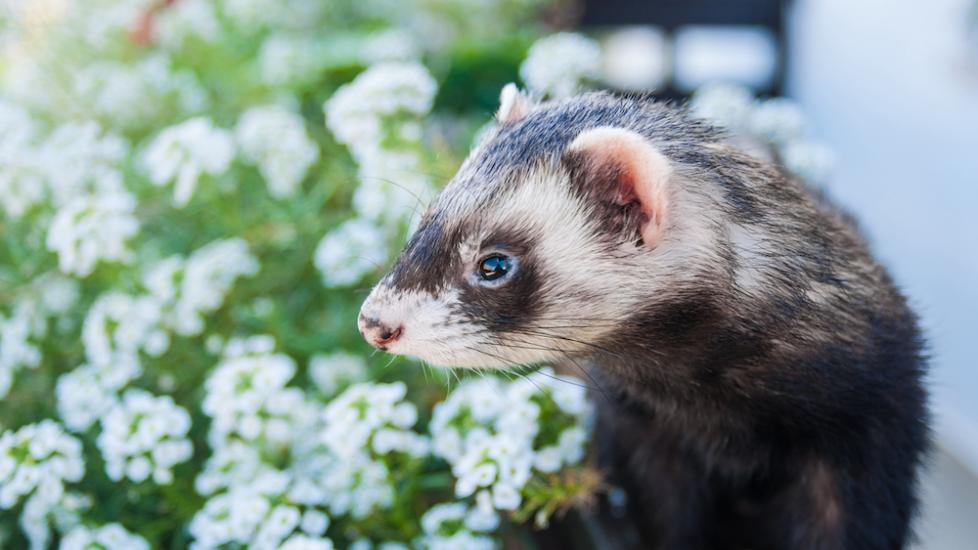
References Close,WRITTEN BYLauren Jones, VMD Veterinarian Dr. Lauren Jones graduated from the University of Pennsylvania School of Veterinary Medicine in 2010, after receiving her bachelor’s degree…,Ferrets can be perfect pets for the right family. When choosing a new pet, their longevity and specific needs should factor heavily into the decision. Exotics and pocket pets also have more requirements than traditional pets to lead a happy, healthy, and long life. Pet parents can maximize their time with their furry family members by working with a veterinary team and thoroughly researching the species before bringing them home. With the proper care, ferrets can bring their families years of joy. Average Ferret Lifespan and Aging Ferrets were most likely domesticated from the European Polecat and used initially for rodent hunting. Domesticated ferrets are not the same species as the wild ferret species in the U.S,. the endangered Black Footed Ferret. Ferrets in captivity typically live 4–6 years, while their wild cousins may only live 1–3 years since they don’t have veterinary care, proper shelter, and regular balanced nutrition. Female ferrets may have 2–3 litters a year and are full size at 6–7 months. Young ferrets are called kits and are considered full-grown at a year old. Large companies or breeders breed ferrets in the U.S., and they are usually spayed or neutered at six weeks old. There is only one breed of ferret—the standard ferret. A subset of ferrets with a genetic mutation has long hair and are called the Angora ferret, but it is still the same species. Captive ferrets come in various colors, the most common being sable and albino. Other colors and pattern variations include: Black Black sable Champagne Chocolate Panda Dark-eyed white Roan Colorpoint Siamese Generally, the more uncommon or unique the color and pattern, the more likely a ferret is to have genetic issues that make them sick and affect their lifespan. Color variations that create white on the head (such as panda patterns) may cause deafness at birth, a condition known as congenital sensorineural deafness (CSD). There is limited scientific data on this disease, and ferret breeders often refer to it as the human equivalent, called Waardenburg Syndrome. Ferrets in captivity typically live 4–6 years, while their wild cousins may only live 1–3 years.