Calming Supplements for Horses
In This Article Does My Horse Need a Calming Supplement? View 3 More +



In This Article Does My Horse Need a Calming Supplement? View 3 More +

In This Article Summary View 7 More +

In This Article Summary View 5 More +

Everyone likes a cup of hot chocolate on a frigid winter day. However, chocolate contains theobromine, making it extremely toxic to dogs. Carob, on the other hand, is a cocoa alternative that is safe for pups to enjoy. We’ve teamed up with Kevyn Matthews, The Dog Chef, to bring you this exclusive recipe for a dog-friendly “hot chocolate” that pairs perfectly with our dog-friendly biscotti recipe. This “hot chocolate” so sweet and delicious, humans can enjoy it as well. (Just add marshmallows.) Remember, if your dog has a history of dietary sensitivity, you may want to check with your veterinarian before deviating from his regular diet.
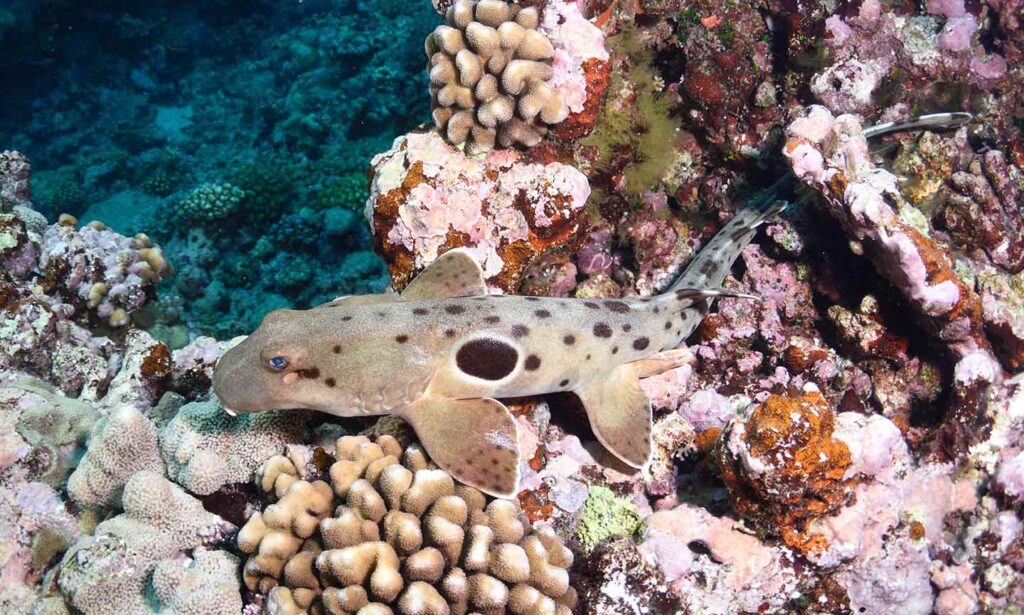
Sharks: Is there anything cooler in the ocean? From the tiny Dwarf Lantern Shark that is about the length of a pencil to the gigantic Whale Shark the size of a bus, sharks represent a fascinating and unbelievably diverse group of marine animals. It is no surprise that some aquarists want to take their appreciation of sharks to the next level by showcasing them in a home saltwater aquarium—but that requires plenty of planning, knowledge and a strong commitment to animal care. Even smaller sharks require a serious amount of space, and all need pristine water conditions, so it’s important to realize that keeping a shark is a major responsibility. Sharks are not a suitable animal for the average hobbyist; only advanced aquarists need apply. That said, let’s take a look at five types of sharks conducive to aquarium life and what they need to thrive.
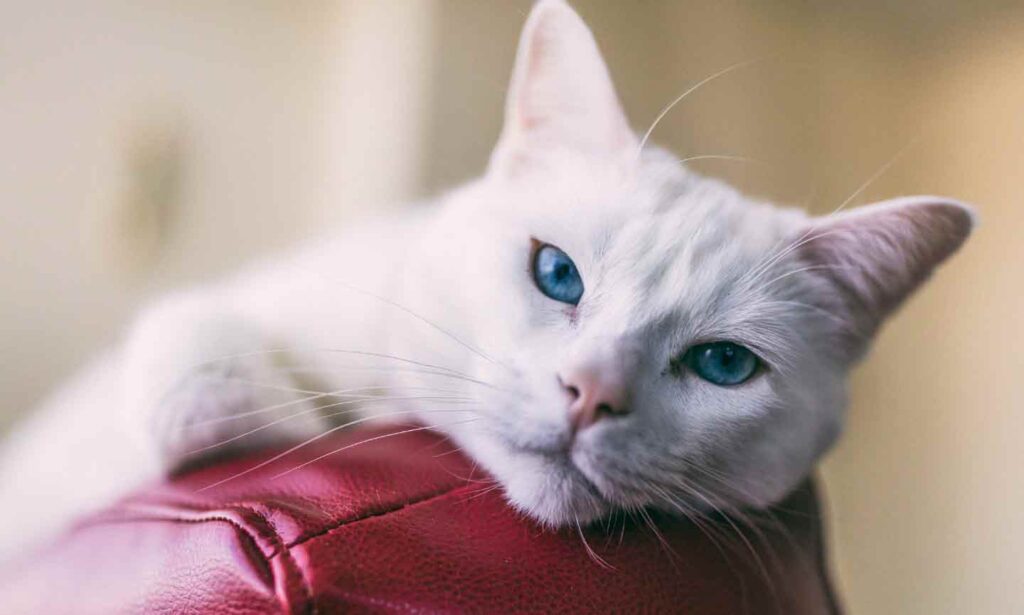
Can you really repair leather yourself? The short answer: maybe. According to Rachel Wilson of Hub Leather Repair & Restoration in Framingham, Massachusetts, the best way to repair scratched leather is to leave the job to the professionals. “We’ve just seen too many DIY disasters,” she says. That’s because the process of repairing leather is long and complex. The most difficult steps are sanding and color-matching. If you sand too hard, you can damage the leather, and matching the exact shade of your leather chair or couch is also a challenge. Sunlight and moisture affect the color of leather furniture over time, making it difficult to get an exact match. Even the type of leather can add difficulty to the DIY project. For example, if your furniture is made from aniline leather, it’s dyed, making it harder to recolor and repair. If you’re interested in custom leather repair, be prepared for an investment. According to HomeAdvisor, leather sofa repairs start around $100 for a single cat scratch, while more complex fixes can cost thousands. Quality leather repair is an art form, so it’s always best to ask for local recommendations from family and friends. You can also check reviews on sites such as Yelp, Google, or Angi. On the other hand, if you have a knack for DIY projects and want to try fixing that scratch yourself, read on for tips.,Jump to section DIY Vs. Professional Repairs Types of Cat Scratches on Leather How to Repair Cat Scratches From Kneading How to Repair Cat Scratches Caused by Swiping Can Olive Oil Fix Leather? Preventing Future Leather Damage

Silicone popsicle mold Cutting board Knife Blender,Nothing’s more refreshing on a hot summer day than an ice-cold popsicle—so why not let your cat in on the tasty fun, too? A delicious DIY cat treat, cat popsicles (aka “catsicles” or “meowsicles”) are super easy to make. They require just a few simple ingredients, including strawberries and blueberries, both of which provide a good source of fiber, vitamins, minerals and antioxidants. You can make different kinds of popsicles, too, depending on what your cat likes to—and can—eat. For creamy catsicles, use unflavored, unsweetened and xylitol-free Greek yogurt (our recipe below). For lactose-intolerant cats, swap the Greek yogurt with cat-friendly bone broth (like Made By Nacho’s bone broth) or milky cat milk (like CatSip). Or simply make popsicles with a blend of their favorite wet cat food and water. Of course, these cat-friendly popsicles are a summer treat that should only be served sparingly—because they’re just that, treats. And treats (whether store-bought or homemade cat treats) should make up no more than 10 percent of your cat’s daily calorie intake, with the rest being their completed and balanced cat food. Before serving this treat to your cat, consult with your veterinarian.
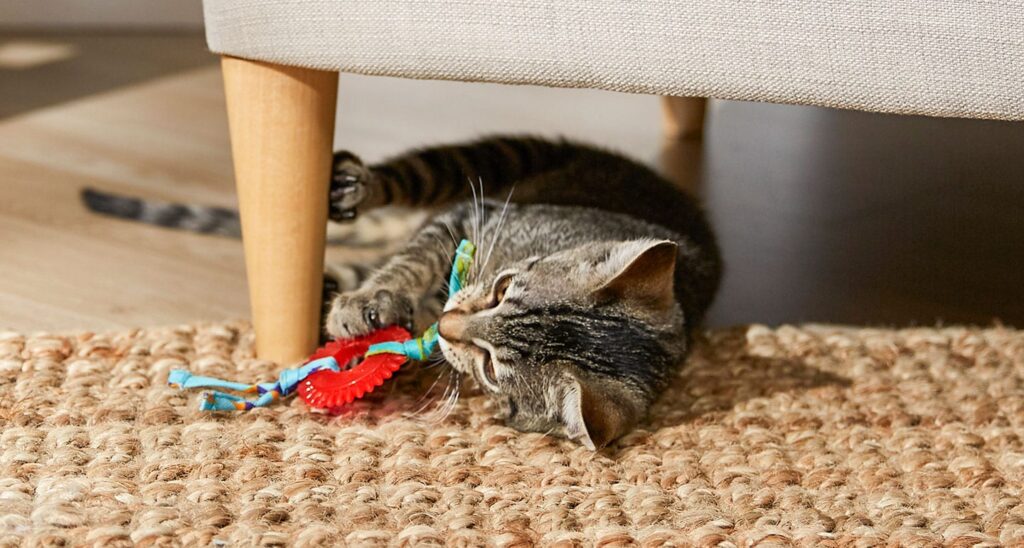
When do kittens teethe? The teething process takes place when kittens are very young. See the following chart for a timeline.,Jump to section Kitten Teething Timeline Kitten Teeth Chart Kitten Teething Symptoms How To Help a Teething Kitten Kitten Dental Health Tips

4. Non-Shampoo Topicals There are also great products for itchy dogs that are a little harder to bathe regularly. For example, a mousse product can be helpful in maintaining your dog’s skin barrier without a lot of tub time. These products can be applied all over their body or just to problem areas, such as the armpits and lower belly. Many veterinary dermatologists also recommend spot-on therapies like Dermoscent® to moisturize dry, flaky skin and help prevent bacterial infections. If your pup suffers from hot spots, in addition to a medication prescribed by your vet to treat the health issue, a topical spay like Vetericyn® Plus may help soothe itchy skin while your pup recovers. ,One of the most frustrating things to manage in our canine companions is itchiness. Though the occasional scratch at the ears or collar is very normal for dogs, truly itchy dogs will scratch and lick constantly. This behavior is not only annoying for both dog and pet parent, but it can lead to painful skin infections and hot spots if allowed to continue. Itchiness (also called pruritus) has many potential causes. Most commonly, itchy dogs are allergic to something in their environment or food. Parasites like fleas, ticks, and mites (mange) can also make pets very itchy. Some dogs may be born with dry, flaky skin, which can lead to mild pruritus. If your dog’s skin is itchy, some at-home treatments may help. But consult your veterinarian if your pup’s skin doesn’t start to feel better, as treating skin disease can get quite complicated.

Do you start sneezing the moment a cute pup walks into the room? You’re not alone—pet allergies affect up to 20% of the population. But don’t give up on your dog dreams just yet. Hypoallergenic dogs can minimize allergy symptoms, allowing you to become a pet parent without sacrificing your health or comfort.


What Is a Horse Whisperer? Your Guide to Natural Horsemanship

The 5 Best Winter Dog Sports and Activities to Try With Your Pup