Understanding the Horse Digestive System
In This Article How Do Horses Digest? View 3 More +



In This Article How Do Horses Digest? View 3 More +
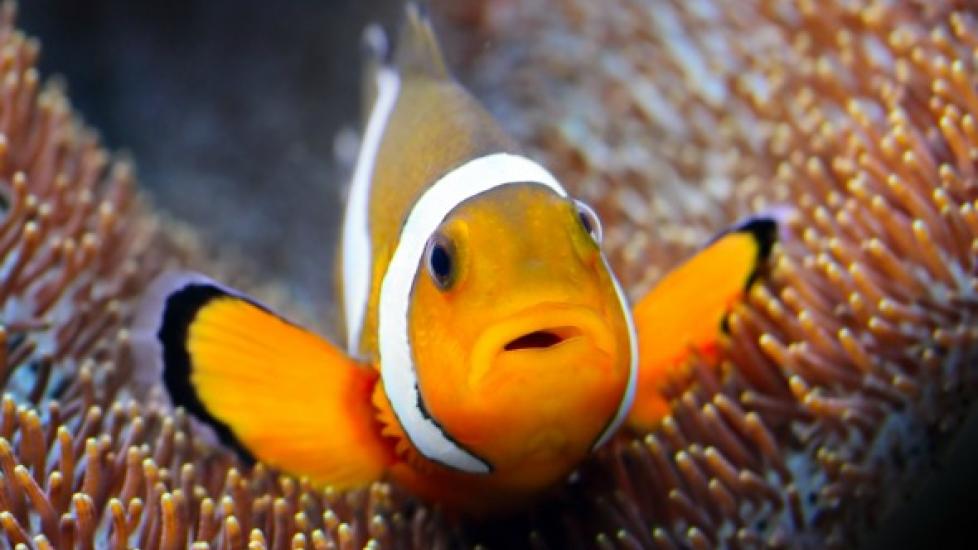
The Inner Workings of a Fish’s Brain Fish rely on three systems working together to control their bodies: the brain is the primary controller, working with messages sent by the nervous and endocrine systems.

In This Article What Is Cat Spray? View 7 More +
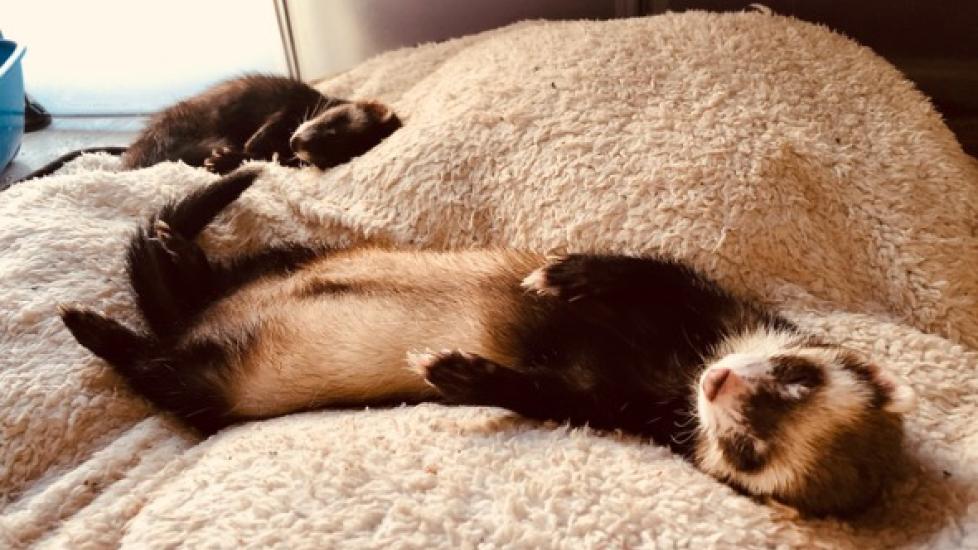
The influenza virus is quite contagious and can be passed on from humans to ferrets, and vice versa. However, it is far more likely a ferret contracts the human influenza virus from a person, than a human catching the flu from a ferret. And much like humans, the ferret flu is caused by the influenza virus. Unlike humans, the flu found in ferrets can sometimes prove to be fatal, especially old and young ferrets with weak immunities. The common flu can also complicate the health of ferrets with secondary bacterial infections and pneumonia. Symptoms and Types The symptoms of this viral infection are the same in ferrets as they are in humans, including: Clear, thick mucus discharge from the eyes and nose Sneezing Coughing Inflamed eyes (swollen and red) Loss of appetite Weakness and lethargy High degree of fever These symptoms can last anywhere from five to fourteen days.

Jump to section Are There Hypoallergenic Cat Breeds? Managing Your Cat Allergies 20 Cat Breeds That Don’t Shed (Or, At Least, Shed Less)
In This Article 3 Types of Anti-Inflammatories for Horses View 3 More +

In This Article What Is Fish Oil for Dogs? View 2 More +
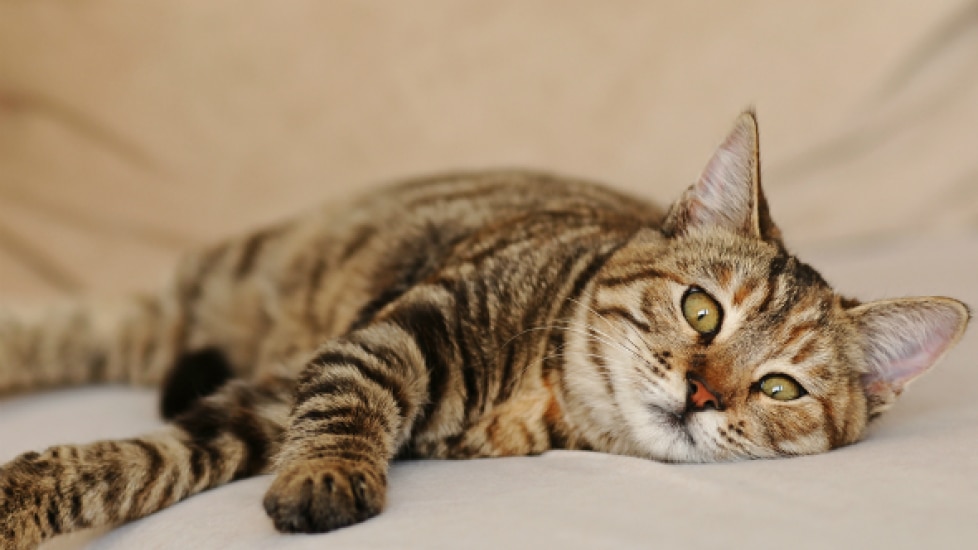
Treatment If there is no serious underlying disease present, your doctor will decide on an appropriate line of treatment based on the symptoms. Drugs to enhance gastric motility will be used to overcome delayed emptying of stomach, increase stomach and gut motility and thus prevent reflux. Also, drugs that will decrease acid secretion in the stomach can be used to prevent damage to the stomach wall due to the increased acidic contents of the bile. Most patients respond well to such treatment; the length of time your cat is going to need medication will depend on its individual response. Some animals respond quickly to the treatment, while others need a longer course of medication. For patients suffering chronic bilious vomiting, dietary management is a very important component of treatment, usually involving feeding small, frequent meals, especially late at night. Preventing the stomach from being empty for long periods of time will help to increase normal stomach motility. Diets low in fat and fiber content will also help the stomach to empty and reduce gastric retention of food. Your veterinarian may also suggest canned or liquefied diets, which also can be helpful in such patients because solid food tend to stay longer in the stomach.,Living and Management The prognosis is excellent for most cats, given that they respond well to dietary changes and medications.,Bilious Vomiting Syndrome in Cats Bile is a bitter, yellow-green fluid that is created in the liver and stored in the gallbladder until food has been ingested. It is then released into the small intestine to aid in digestion of food and to emulsify the food so that it can be used appropriately by the body. Bile also carries various waste materials out of the body along with the feces. Bilious vomiting syndrome occurs due to motility problems, when bile abnormally enters into the stomach, causing irritation and vomiting. That is, when the gastrointestinal tract fails to react automatically to the normal functions that occur within the tract, contents in the tract do not move as they should, causing abnormal behaviors within the system. Bile that has entered into the stomach is expelled by the cat, and the vomit contents are found to contain bile. This reaction is usually seen in the early morning or late night just before eating, especially in cats that are fed once daily. It is a rare condition in cats; when it does occur it is usually in older cats. Both genders are equally affected.
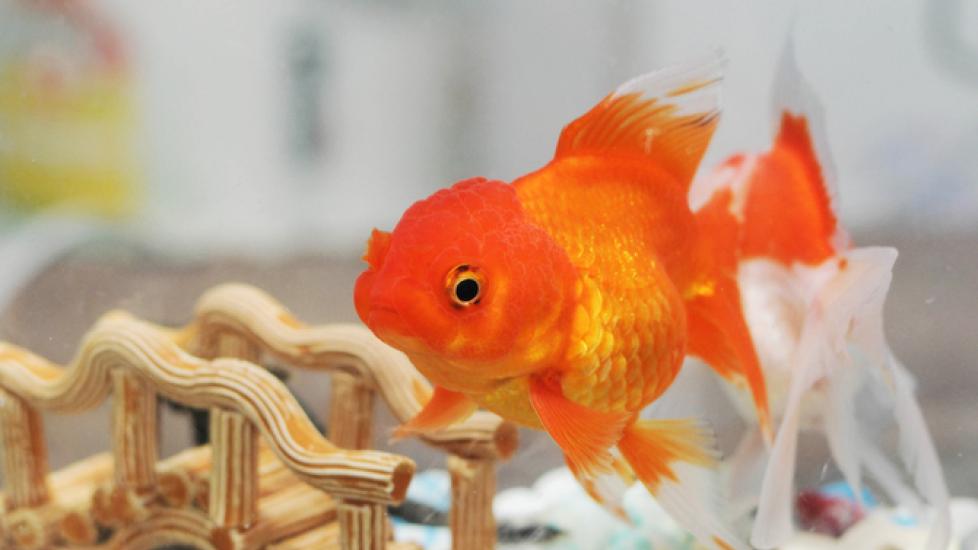
By Jessie M Sanders, DVM, CertAqV – Aquatic Veterinary Services (CA) You’ve may have heard the joke: A fish and its three second memory will never be bored swimming around its bowl because by the time it makes a full circle, it’s already forgotten where it’s been. But what if your fish were capable of much more than you assume? What if your fish are judging you and making assumptions the same way you watch them? How is Fish Intelligence Measured? By what means do we measure intelligence in any species? Is it fair to hold fish to the same standards as fluffy, huggable pets? Certainly, it is easier to anthropomorphize and try to understand what your dog or cat may be thinking that it is with your fish. Anyone who has brought their cat or dog to the vet can observe their feelings of anxiety and avoidance, but it is harder to read a pet fish. What if your fish is capable of understanding more than even your cat or dog? Are the behaviors of memory, cooperation, recognition of individuals, and tool use even possible for your pet fish? Well, it may surprise you to learn that research has shown that fish are capable of all of this and more (1). A fish’s brain is very similar to all other vertebrates and shows the same complexity and divisions, allowing them the capability to process information very similarly to what our fluffy pets perceive (2, 3, 4, 5). And this goes for all teleost fish, from your basic bettas and goldfish to the large ocean and lake fishes.
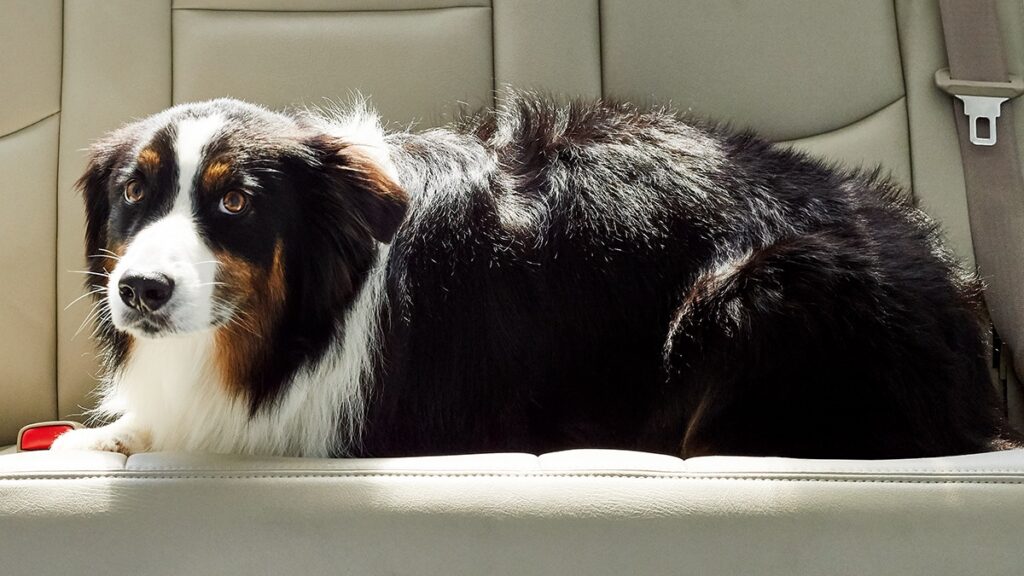
Motion sickness is caused by stimulation of the ear’s vestibular system, which maintains balance and equilibrium, says Butch KuKanich, DVM, Ph.D., DACVCP, a professor and department head at Kansas State University’s College of Veterinary Medicine. “It may be caused by motion, but other diseases that affect the vestibular system can cause it,” Dr. KuKanich says. “Anything that a dog travels in, from cars to boats and planes, can cause motion sickness.” Motion sickness is common in young dogs because their vestibular system isn’t fully developed. Most dogs grow out of motion sickness, but some equate car rides with feeling unwell, leading to a conditioned stress response that can last a lifetime.,Jump to section What Causes Dog Car Sickness? Signs of Dog Car Sickness Preventing Dog Motion Sickness Training Can Help Dog Car Anxiety Managing Car Sickness Regressions

What Is a Horse Whisperer? Your Guide to Natural Horsemanship

The 5 Best Winter Dog Sports and Activities to Try With Your Pup