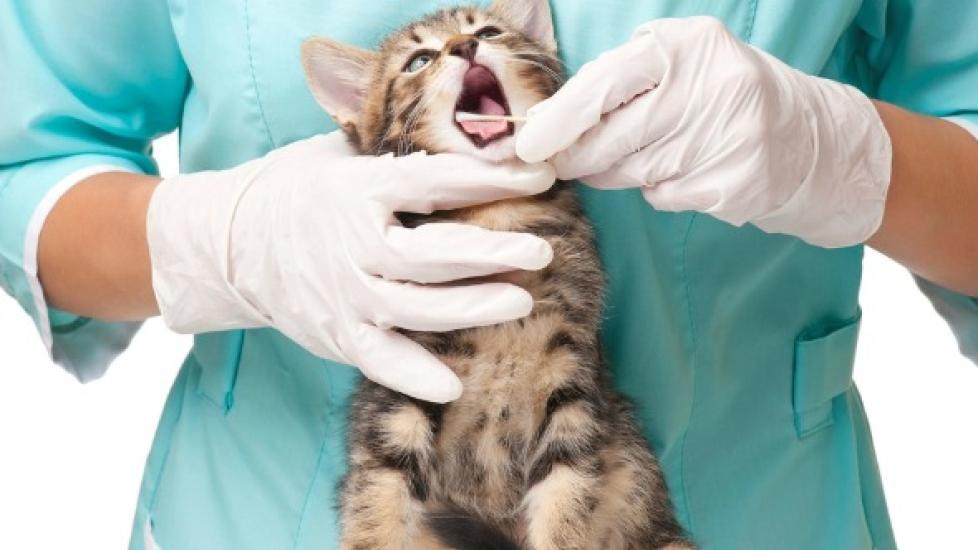
10 Signs of Gum Disease in Cats
By Carol McCarthy When it comes to your cat’s oral health, there is no such thing as being too vigilant. Gum disease can affect cats of all stripes. Gum disease, also known as gingivitis, is chronic inflammation of the gums that worsens over time and occurs where the tooth and gum come together, says Dr. Cathy Lund, owner of City Kitty, a cats-only veterinary practice in Providence, R.I., and a board member of the Association of Feline Practitioners. As the body fights the accumulation of tartar, plaque and bacteria on the teeth and gum line, tooth health suffers. Over time, the disease damages the tooth and underlying root and bone, causing pain, infection and leads to tooth loss. Vets are unsure why some cats are more prone to gum disease. Many dentists who care for people blame mouth chemistry, an inherited factor, and sometimes gum disease results from a respiratory virus. Genetics play a role in autoimmune diseases in cats, and gum disease is a manifestation of that, but a definitive cause remains unknown. Regardless of the cause, pet parents need to be diligent about prevention and alert to signs — both apparent and subtle — that something is wrong. These include: – Bad breath – Angry, red gums – Bleeding (from the mouth or nose), sometimes spontaneously – Drooling – Difficulty eating – Eating on one side of the mouth or moving food around in the mouth – Lack of appetite – Mild swelling of the face – Loose or missing teeth – Looking unkempt or failing to groom What Gum Disease Looks Like in Cats Inflamed gums are easy to spot. “They will look really hot, red and angry. When they are, you know the cat is in discomfort,” Lund says. Mild facial swelling is also possible. The difficulty in eating occurs not because of tooth pain—cats actually use their teeth very little when eating, Dr. Lund says. The discomfort occurs as they stretch out their tongues to scoop food in and toss it toward the back of their mouths. This movement strains the gums. “It hurts to move the tongue, so they won’t do it,” she says. “We see some cats that stop eating because they are so uncomfortable.” If your kitty is no longer sitting pretty, it may also be a surprising sign of gum disease. A messy, unkempt coat is an oft-missed sign. When a cat’s gums are in pain, using her tongue to groom herself will be painful. In some cases, cats develop stomatitis, or inflammation of the whole oral cavity. “It is like lupus (an autoimmune disease) in the mouth,” Dr. Lund says. Cats with stomatitis “can’t even swallow their own saliva. They drool. They look like a Bassett Hound or St. Bernard,” she says. In these cases, surgery is necessary. When gum disease is severe, cats can suffer from painful tooth resorption, in which the teeth sink back into the diseased and receding gums until the body eventually reabsorbs the tooth.