Why Do Certain Sounds Scare Dogs? What To Know About Noise Phobia
In This Article What Is Noise Phobia in Dogs? View 7 More +


Dogs
In This Article What Is Noise Phobia in Dogs? View 7 More +

In This Article Why Do Dogs Stretch When They Greet You? View 1 More +
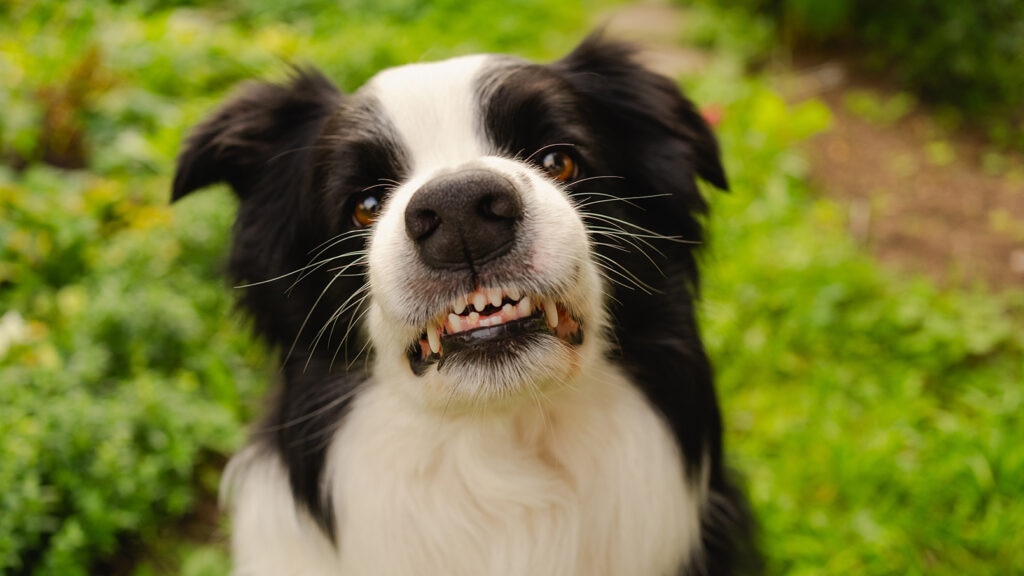
Dog aggression is a behavior dogs use to communicate discomfort, fear, or a need to protect something, whether it’s their food, toys, territory, or even their favorite person. It can show up in many ways, including growling, snapping, barking, lunging, or biting. At its core, aggression is a natural reaction to something a dog sees as a threat. It might seem sudden, but most dogs give warning signs before things escalate. Learning to spot and understand these signals is crucial for addressing the behavior and keeping everyone safe. ,Dog aggression can be alarming, whether it’s nipping a stranger or lunging at another dog during a walk. While it’s easy to assume aggression means a dog is “bad” or dangerous, the truth is more nuanced. Aggression is a form of communication, often signaling that a dog is uncomfortable, afraid, or trying to protect something they value. We spoke to two dog behavior experts to understand the types, causes, and signs of dog aggression and how to build better behavior through positive reinforcement and professional support.

Reviewed for accuracy on March 19, 2019, by Dr. Katie Grzyb, DVM If your dog’s nose turns from its usual dark color to pink or brown, specifically during the winter, your dog may have what is commonly referred to as “dog snow nose” or “winter nose.” The condition, which is called “hypopigmentation,” typically causes a dog’s nose to lighten in color—normally to a pink or light brown. The color the nose turns will depend on the original color of your dog’s nose. If your dog normally has a black nose, it turns pink or a darker brown. If your dog has a brown nose, it may turn a lighter shade of brown. What Causes Dog Snow Nose? “We’re not sure what causes it, but since it occurs most often in winter or cold weather climates, we think it might have something to do with the temperature or possibly certain enzymes,” explains Dr. Sandra Koch, a board-certified veterinary dermatologist and associate professor of dermatology at the College of Veterinary Medicine at the University of Minnesota in St. Paul, Minnesota. Dog snow nose is most often seen in winter, but it can also occur in summer or even in tropical areas, says Dr. Koch. “We have very limited information on it; there has been little research done, and most of the information we have is anecdotal,” says Dr. Koch.
In This Article What Is Dog Neutering? View 9 More +
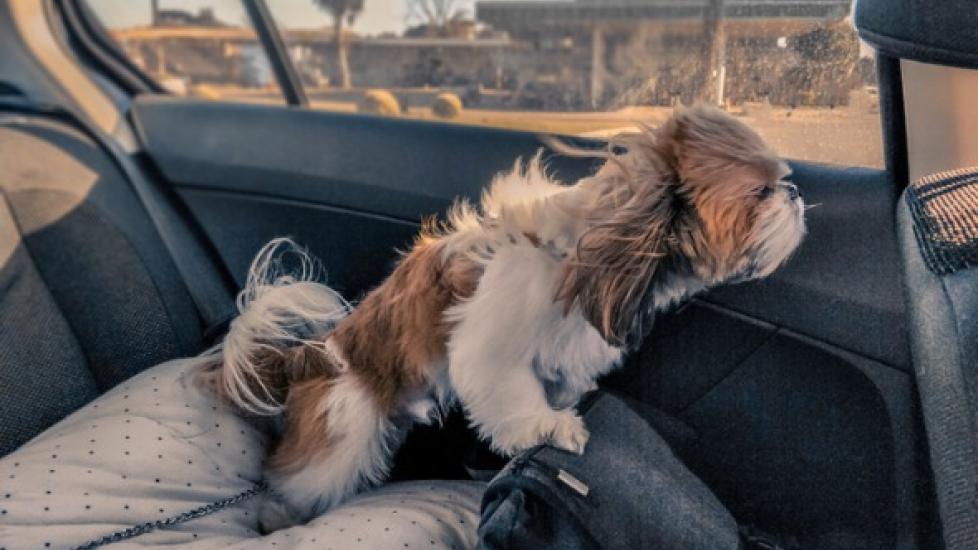
Image via iStock.com/aislan13 By Deanna deBara When you’re home, your pup probably has a dog bed where he likes to curl up and relax. But what about when you’re traveling with your dog? How can you make sure your pup has a place where he feels cozy, relaxed and comfortable while you’re both on the go? If you frequently travel with dogs, getting the right dog travel bed is a must to ensure your dog feels comfortable, relaxed and safe—no matter where your travels take you. But choosing the best dog bed can feel like a big question mark. What, exactly, is the best dog travel bed? Which type of dog bed is the best fit for your pup? And how can you make sure you have the bed you need for comfortable dog traveling? Here are some things to take into consideration when purchasing a travel dog bed: What to Consider When Buying a Travel Dog Bed Get a dog bed with enough space for your pup to stretch out. It’s important to get something compact for travel, but it’s also important to get a travel dog bed that gives your pup plenty of room to stretch out. “Weigh and measure your dog to help select which size would be best for them,” says Dr. Rachel Barrack, DVM, CVA, CVCH and founder of Animal Acupuncture in New York City. “You want a bed that allows them to spread out—whether you’re on the go, on a plane or in your house.” Make sure the dog bed is compact. When you’re traveling, you don’t want to be lugging around a dog bed that’s big and bulky—you want something compact and easy to pack. “When traveling with dogs, most people prefer beds that aren’t too bulky because they can be difficult to pack or because they take up a lot of space,” says Michelle Stern, a Marin, California-based dog behavioral consultant and founder of Pooch Parenting. Get a dog bed that’s easy to clean. When you travel, you’ll be lugging your travel dog bed everywhere—which means you want something durable and easy to clean when it (inevitably) gets dirty on the road. Get a dog bed that plays to your dog’s unique needs and preferences. Every dog has unique needs and preferences when it comes to sleeping—and if you want your dog to be comfortable during your travels, you need to choose a travel dog bed that plays to those. “How does your dog sleep? Do they like to burrow? Then perhaps they’d like a cave-like bed. Do they like to lean against something? Perhaps they’d like a bed with a bolster,” says Dr. Barrack. If your dog sleeps in a crate, choose a dog bed accordingly. “If your dog sleeps in a crate at home, it will be more challenging to expect him to sleep on a bed when traveling. He won’t be used to the fact that he isn’t contained, and so he may wander around and explore during the night,” says Stern. If your dog typically sleeps in a crate, dog kennels for travel might be a better fit than a more traditional travel dog bed. Let your dog try it out before the trip. If you want your dog to get a good night’s sleep while you’re traveling, it’s important to get him comfortable with his travel dog bed before you leave on your trip. “I’d encourage families to practice having their dog sleep on the travel bed at home for several weeks, if possible, before they leave on their trip,” says Stern. “Dogs tend to thrive when they have a consistent routine, so by practicing his sleeping arrangements ahead of time, he will be more successful while you travel.” Let’s take a look at some of the best types of travel beds for dogs, so you can choose the right travel dog bed for your pup’s next adventure. Dog Beds for Sleeping Outdoors If your travels take you to the great outdoors, the last thing you want is for your pup to wake up covered in dirt, mud or bugs. Elevated dog beds for travel, like the Carlson Pet Products portable pup travel pet bed, are the ideal option for any travels that involve you and your pup sleeping outside. Elevated dog beds will keep your dog off the ground, ensuring that he stays relatively clean (and bug-free!) during your trip. Dog Beds for Road Trips If you and your pup are heading out on a road trip, you need a bed that’s going to keep him safe and comfortable—no matter how many miles you drive. Travel dog beds that are specifically designed to fit in the trunk or backseat of your car—like the K&H Pet Products travel and SUV pet bed or the Big Barker Backseat Barker SUV edition orthopedic dog bed—are a must for longer road trips. Not only will the padding keep your dog comfortable through all the bumps in the road, but the design (which typically includes no-slide gripping on the bottom and/or sides) will ensure that your pup (and their bed!) doesn’t go flying when you take a tight turn. Dog Beds for Plane Travel If you’re traveling with your pup on a plane, it’s important that your travel dog bed is portable, easy to carry and doesn’t take up too much space. Airlines have strict guidelines for carry-on bags and checked luggage. Portable dog beds—especially beds that fold down into bags with straps for easy carrying, like the Gen7Pets Traveler dog and cat bed or the KidCo Command Pet Products portable pet bed—are ideal for plane travel. You can throw the bag over your shoulder and carry it on the plane, plus it easily unpacks to deliver everything your dog needs for a good night’s sleep once you reach your final destination.

If you’re looking to add a new pup to your family, you may be wondering which dog lives the longest. Not all pups live for the same amount of time—there are certain factors that play into the lifespan of dogs, including size, breed, and lifestyle. If you’re looking for a fur baby that will stick around for a long time, we’ve rounded up 21 of the longest-living dog breeds. How Long Do Dogs Live? Typically, the smaller the breed, the longer their life expectancy. There are, however, a few medium-size dogs that are known for their lengthy lifespan. In fact, the “oldest dog ever” award goes to Bobi, a Portuguese Rafeiro do Alentejo who’s 30 years old and counting. Dogs that live the longest (mostly small breeds) can often reach their late teens or even early 20s, while extra-large breeds like Great Danes and Newfoundlands typically only live about 7-10 years. It’s not entirely clear why small dogs outlive larger breeds. But one theory is that common medical conditions dogs develop as they age are more difficult to manage in larger dogs, thus leading to euthanasia sooner.
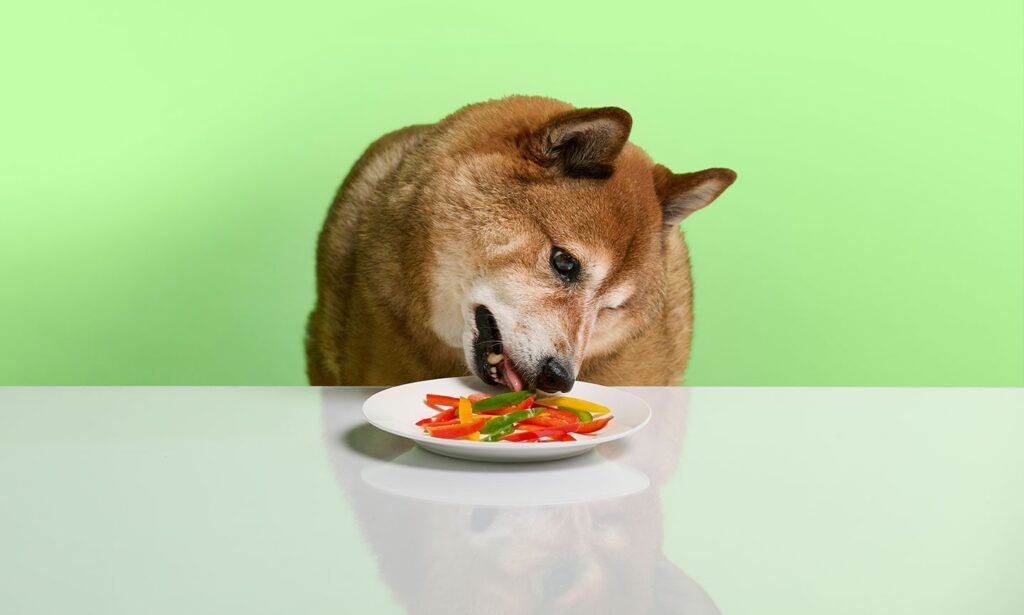
As you dice up some crisp bell peppers for a dinner salad, you notice a curious canine nose following your every move. This may cause you to wonder, “Can dogs eat bell peppers?” Good news, pups—the answer is yes! Bell peppers are one of the many fruits dogs can safely consume. They’re a low-calorie food brimming with nutrients, fiber and antioxidants, all of which can contribute to your dog’s health. We spoke to a vet expert to learn about the benefits of bell peppers for dogs and how to incorporate this colorful, crunchy fruit into your pup’s diet. Before serving any new foods to your pet, consult with your veterinarian first. Expert input provided by Dr. Lisa Fiorenza, DVM, veterinarian at Longevity Veterinary Center in Whippany, New Jersey.
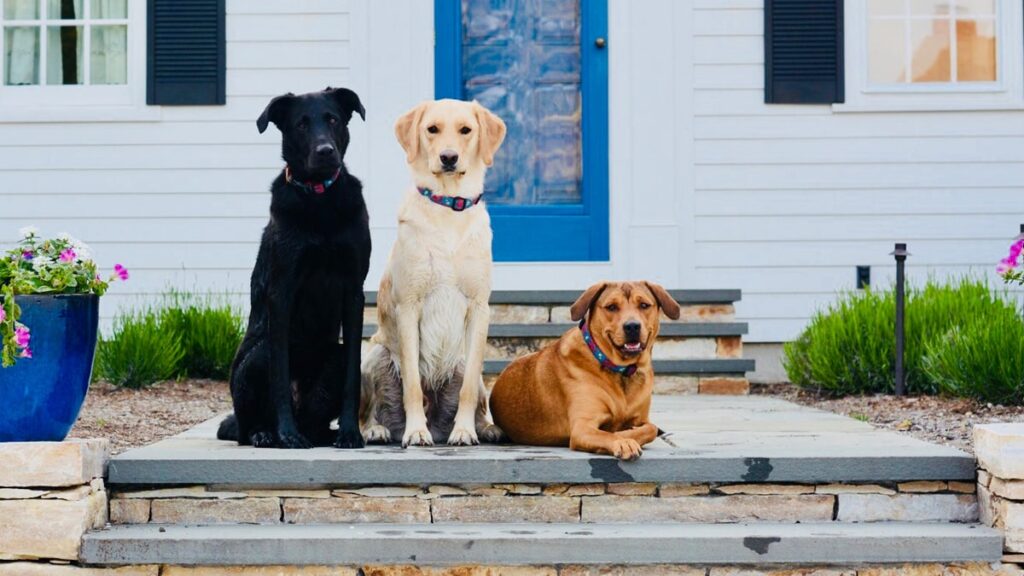
When going on a road trip with dogs that’s over 2 hours, pre-plan a place to stop for a quick stroll and a water or bathroom break. As much as we humanize our dogs, they can’t talk and tell us when they need a break. Plus, not all dogs love being in the car, so planned breaks at highway rest stops, or even a fun dog park that’s just off your proposed route, are so worth the detour.,How to Travel With a Dog Stress-Free
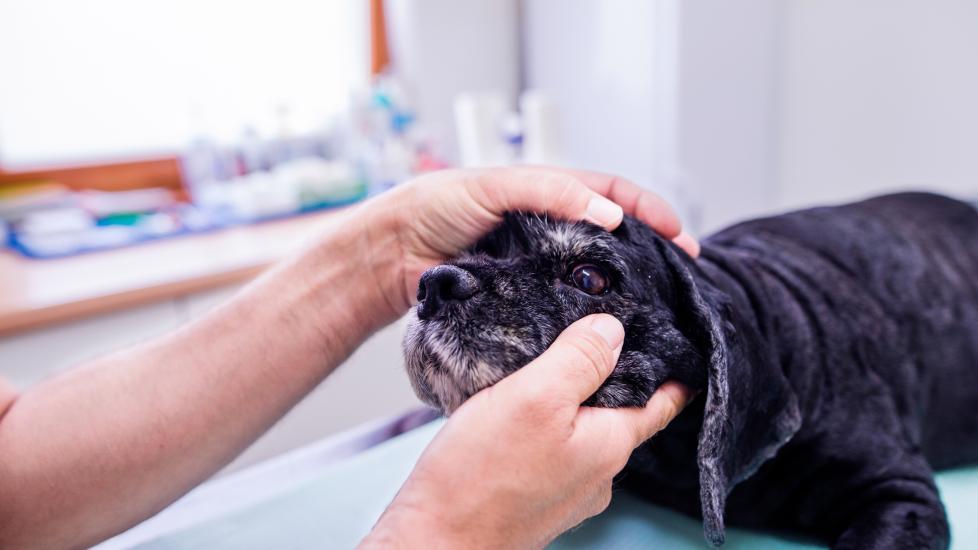
In This Article What Are Dog Eye Injuries? View 6 More +

What Is a Horse Whisperer? Your Guide to Natural Horsemanship

The 5 Best Winter Dog Sports and Activities to Try With Your Pup