4 Most Common Sleep Disorders in Dogs
In This Article What Are the Most Common Sleep Disorders in Dogs? View 1 More +


Dogs
In This Article What Are the Most Common Sleep Disorders in Dogs? View 1 More +
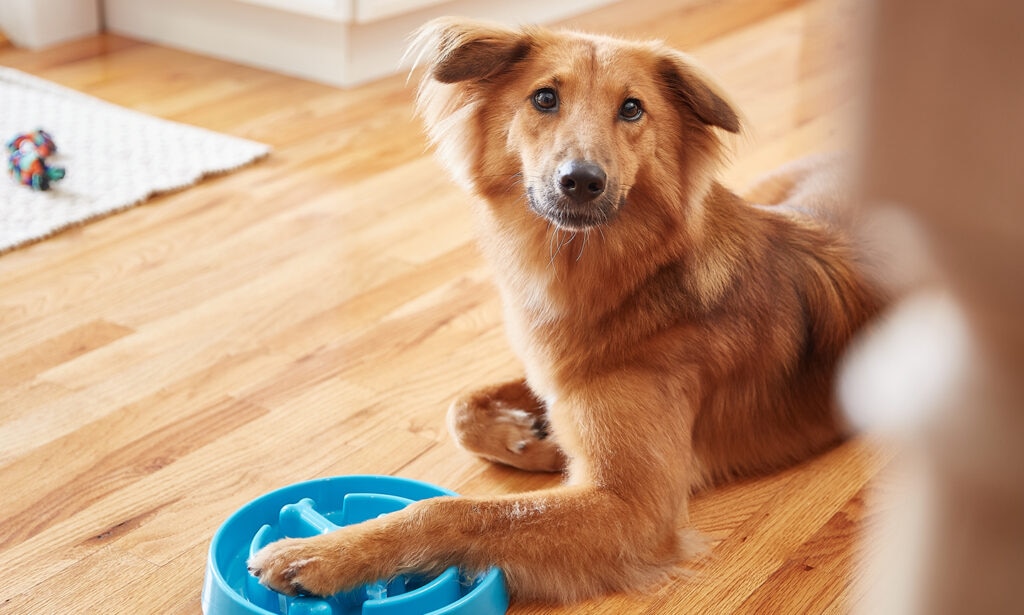
There are several possibilities as to why your canine companion has a lack of appetite (known as anorexia) or a decrease in appetite (hyporexia). Food Preferences If you’ve noticed your dog hasn’t taken a liking to their food lately, it could be because they simply don’t like the taste or texture of it, says Bethany Hsia, DVM, mobile veterinarian and co-founder of CodaPet, in Clovis, California. What’s more, indulging in one too many treats or human food throughout the day can cause some dogs to become finicky. (A dog’s diet should consist of 90% regular dog food and only 10% treats.) As a result, they might find their regular meals less appealing, says Sarah Cortright, DVM, chief medical director at Underdog Community Project, in Los Angeles, California. Not Feeling Well When we’re under the weather, it can feel like a chore to sip soup or even drink water. The same can apply to our furry friends. Examples of issues that can cause a decrease in a dog’s appetite or discomfort while eating include gastrointestinal issues, such as an upset stomach or acid reflux, food sensitivities, and dental problems. A few medical-related causes that might result in a dog eating less or refusing food include: Gastrointestinal disease Foreign object obstruction A systemic illness (kidney failure, or liver disease such as hepatitis) Arthritis or hip dysplasia Medications Tumors or cancer If a dog consistently refuses food or is displaying other concerning symptoms, visit your vet to rule out any medical issues and get them back to eating normally. Stress or Anxiety A trigger or change in your dog’s environment or routine can impact their emotional well-being and subsequently affect their appetite. Behavior-related causes that can be associated with a reduction in appetite can include: Stress Anxiety Phobias Fear Depending on your pup’s personality, it can take them extra time (and love!) to adapt to certain changes—such as moving into a new home, boarding, or traveling—and eat as they usually do. Distractions in Feeding Environment Some dogs cherish their peace and quiet more than others, especially when they’re trying to eat. “Distractions, like a busy household or other pets nearby, can make it difficult for a dog to focus on eating,” Dr. Cortright says. Saving It for Later Another reason why your pooch might not be eating their food is because they’re saving it for later, like when they bury bones. Wild canines buried or stashed their food to protect it from scavengers or save it for when they were hungry. Domestic dogs instinctively do this for several reasons, from being uncertain about when their next meal is to having too much food available at once, Dr. Cortright says. “Anxiety or stress can also play a role—some dogs may feel uneasy eating in a particular environment and choose to ‘store’ their food instead,” she adds. “In multi-pet households, dogs might hide food to prevent other animals from getting it.”,Does your dog take one look at their food, turn up their nose, and ignore it for the rest of the day? An indifferent attitude toward their food or a skipped meal altogether can cause any pet parent to worry—and it certainly raises the question, “Why is my dog not eating?” We talked to veterinarians to learn more about why dogs might not eat their food, tips on how to get them to eat, and when to consult a vet.
In This Article Can Dogs Get Sunburned? View 4 More +
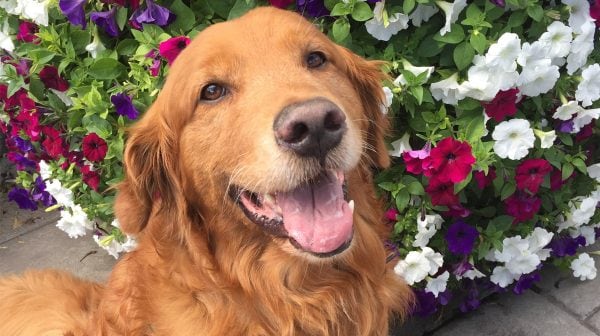
Our first senior dog rescue was 11 years old when we adopted him. I shook my head and told my husband, “He’ll break our hearts.” My husband looked at me and said, “But he needs us.” So, we adopted the sad, skin-and-bones Golden Retriever, named him Brooks, and fell in love with him. And sure enough, he broke our hearts—but not before filling them with love and joy. Brooks helped us find our mission—to give a loving home to abandoned senior Goldens. We’ve loved and lost a few. Then in May 2017, our rescue group contacted us about a 9-year-old Golden who lived in deplorable conditions. Did we want him? We’d just lost two senior dogs. Could we open our hearts up to such pain again? The answer was clear.
In This Article What Is Heartworm Disease in Dogs? View 5 More +
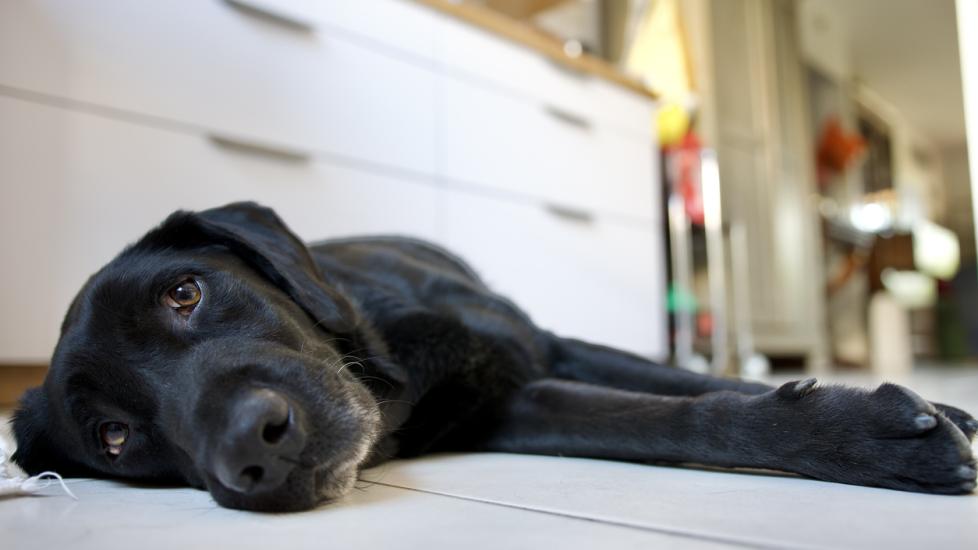
If your pet’s diarrhea lasts more than two days, if they have developed additional symptoms, or you think your pet’s diarrhea has an underlying cause, speak with a veterinarian as soon as possible or seek emergency veterinary care. Depending on the cause of your pet’s diarrhea, they may need prescription medication like anti-nausea medication, dewormers, probiotics, antibiotics, or acid blockers to treat the cause and feel better. Your veterinarian will determine the best course of treatment for your pet. Featured Image: iStock.com/Nicolas Jooris-Ancion,WRITTEN BYStephanie Howe, DVM Veterinarian Dr. Stephanie Howe graduated from the University of Florida College of Veterinary Medicine in 2011, after receiving a Bachelor of Science…,What Is Imodium®? Imodium® is an anti-diarrheal medication used in dogs to treat diarrhea that is not caused by an infectious agent such as bacteria, viruses, or intestinal parasites. While Imodium® and its active ingredient loperamide are FDA-approved for use in humans, these medications are not approved for use in dogs. Imodium is rarely used in the veterinary field. However, veterinarians can legally prescribe certain human drugs for animals in some circumstances. This is called extra-label or off-label use because this use isn’t described on the drug label. Your veterinarian will determine whether Imodium® is right for your pet.
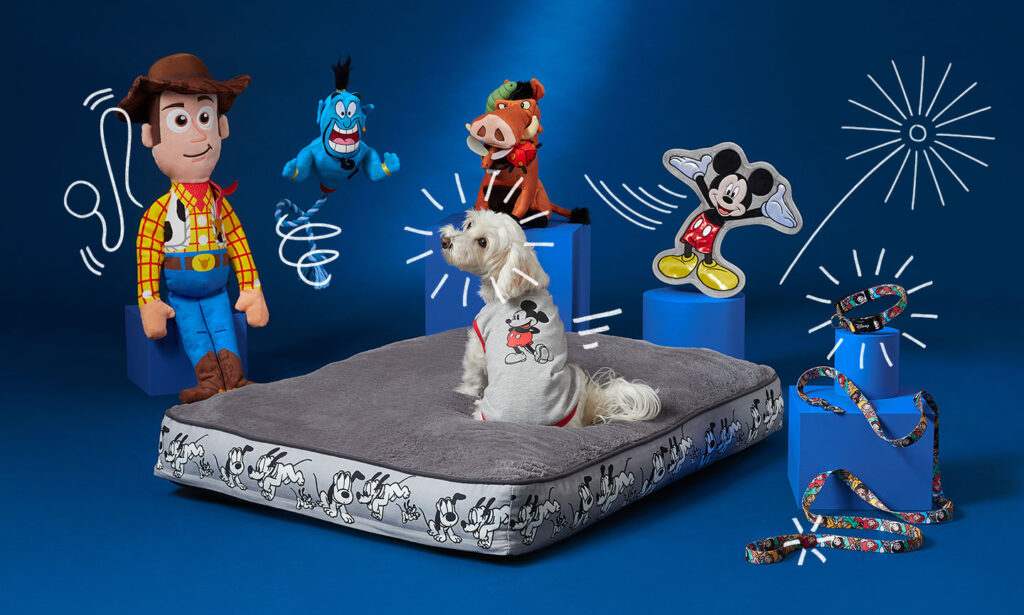
When it comes to feel-good nostalgia, there’s nothing like Disney. Whether your childhood favorite was Dumbo or Dory, Ariel or Aladdin, the House of Mouse is behind some of the most iconic moments on the silver screen. With the new Disney collection at Chewy, now you can share the love with your pet. From Pluto to princesses, bandanas to beds, this Disney pet gear for dogs is a dream come true (no wishing upon a star required).
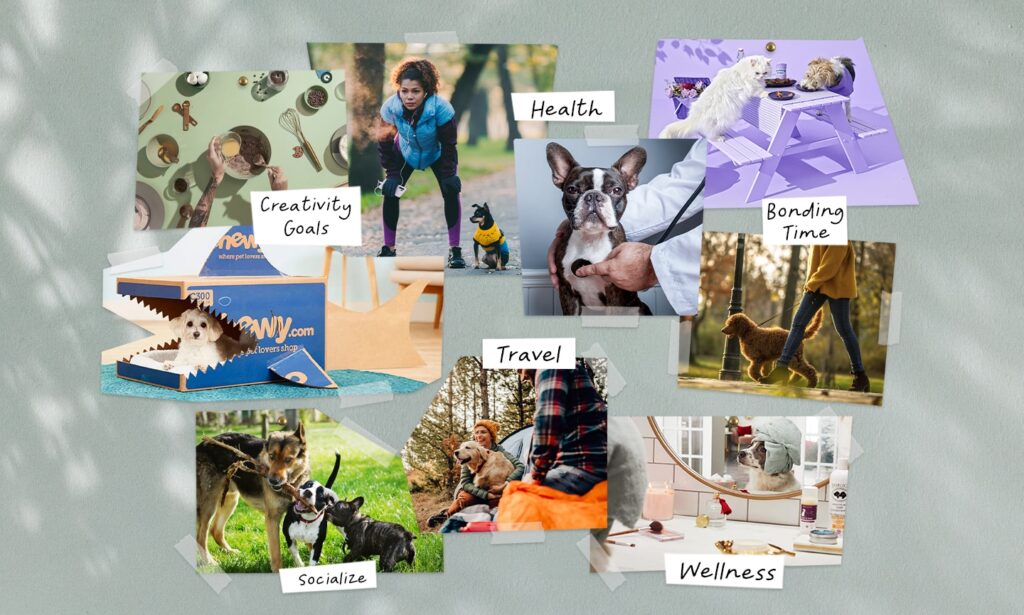
An important part of creating your vision board is knowing what you’ll put on it—and for pet vision boards, that includes the goals you want to achieve with your pet. Here are some ideas.,Jump to section What Do I Put on a Pet Vision Board? How to Make a Vision Board How Vision Boards Work
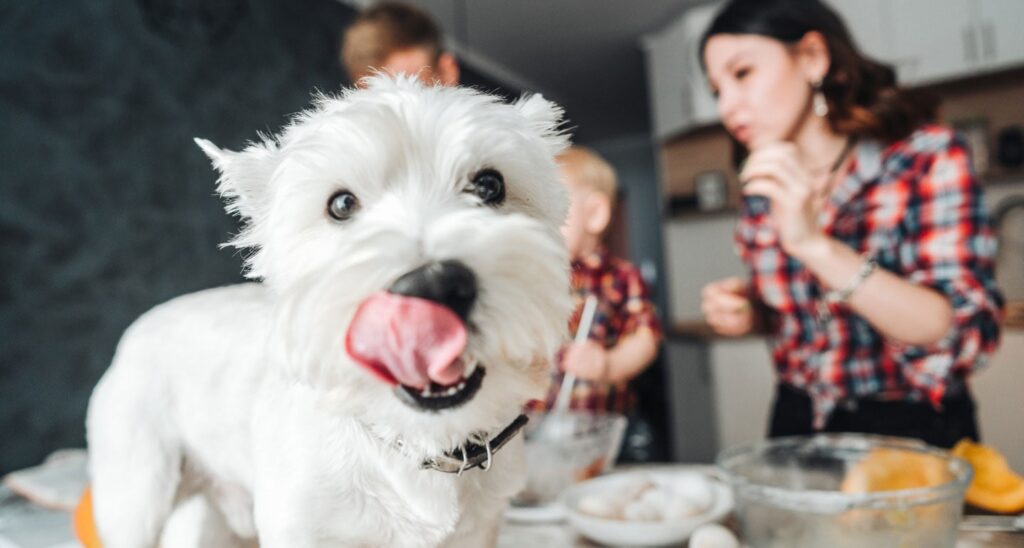
Packed with omega-3 fatty acids, salmon is great for you and great for your BFF. These healthy fats boost the immune system while nourishing hair and skin.,Not all foods are created equal. Those that are nutrient-packed and antioxidant-rich have been deemed “superfoods,” an elite, headline-grabbing category of ingredients that are thought to provide extra-special health benefits.
Related Articles Can You Be Allergic to Dog Saliva? Heidi Kos-Barber, DVM Is Dog Litter a Thing? PetMD Editorial Caring for Three-Legged Dogs and Cats, aka “Tripawds” PetMD Editorial 8 Things People Don’t Realize About Being a Veterinarian PetMD Editorial Your Pet Health Questions Answered by Dr. Ben Carter PetMD Editorial Bone Problems That Can […]
What Is a Horse Whisperer? Your Guide to Natural Horsemanship

The 5 Best Winter Dog Sports and Activities to Try With Your Pup