Dog C-Section: What the Procedure Is and How To Prepare Your Dog
In This Article What Is a Dog C-Section? View 9 More +


Dogs

In This Article What Is a Dog C-Section? View 9 More +

Stream It Here A remake of the Dr. Seuss original starring Jim Carrey, this film follows the Grinch’s quest to steal Christmas from Whoville—with unexpectedly heartwarming results. With its whimsical visuals and Carrey’s wacky physical comedy, it’s perfect for pets and pet parents alike. The furry companions will love the Grinch’s mischievous antics, and what dog lover can resist Max, the Grinch’s reluctant companion?,During the holidays, nothing beats cozying up with a mug of hot chocolate, a warm blanket, a pet on your lap and a classic Christmas movie on the television. Watching holiday films with your pet is a cozy way to enjoy the holidays together. So, what’s the best festive film for you? From Netflix to Disney to Hulu and beyond, these picks are practically guaranteed to add a little extra jingle to your holiday season. This Christmas Eve, grab the popcorn and your favorite PJs, and snuggle up on the couch for one of these holiday favorites.

Many people are unable to recognize the difference between the English Toy Spaniel and the Cavalier King Charles Spaniel. They are two entirely different breeds and, apart from sharing the same coat colors, have totally separate breed standards and characteristics.
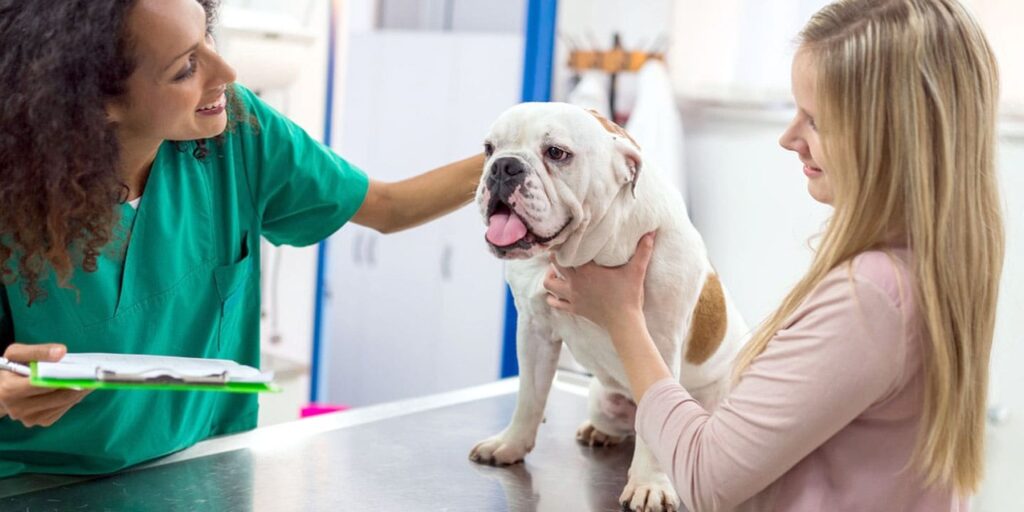
Pesky parasites are a common annoyance for our canine companions, and whipworms in dogs doesn’t sound like something you (or your dog!) ever want to encounter. Learn everything you need to know about whipworms in dogs, from diagnosis to treatment and prevention.
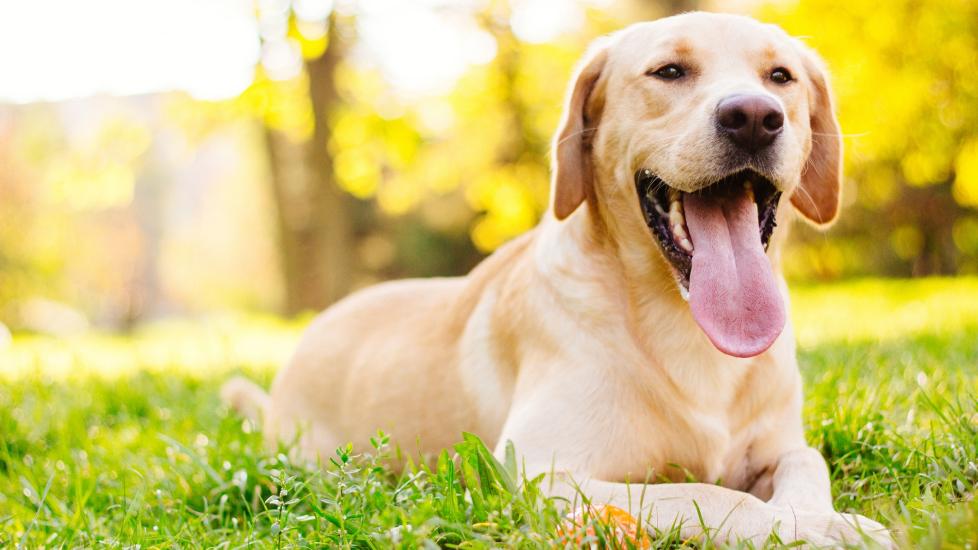
In This Article What Is a Hot Spot on a Dog? View 5 More +
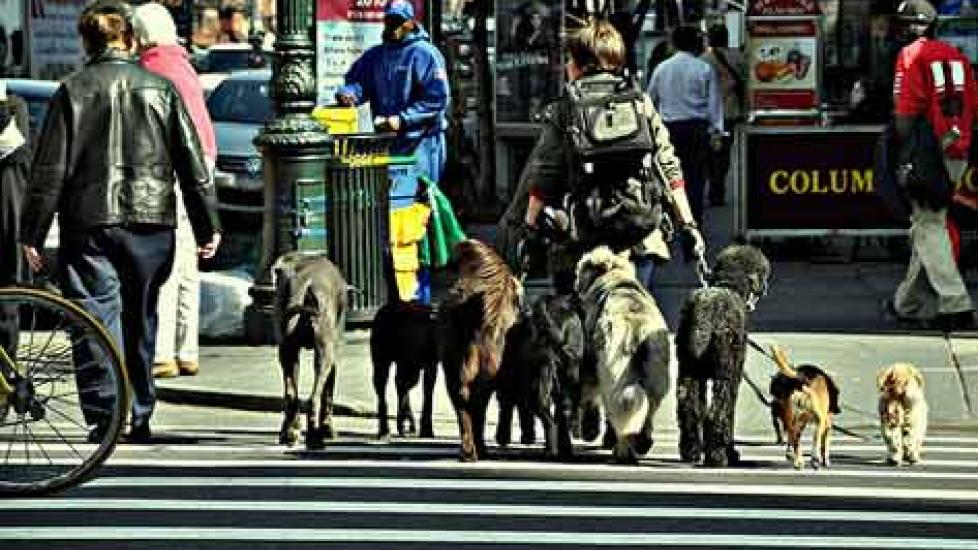
Regardless which path you choose, pet sitting is just as much about the client, as it is about the client’s pet(s). When meeting a potential client, remember that person is letting you into their home and entrusting you with their beloved companion. Treat each client and animal with the respect they deserve. Be yourself and take the time to get to know the animal; it may take awhile for it to get adjusted to your presence.,If the person wants to hire you, take notes, listen closely and do everything you can to make the client feel comfortable with you being in their home. If they have a dog, then definitely make sure dog walking is part of the package. Often, this can lead to a regular dog walking gig.,Job hunting can be a frustrating task. There is the résumé building, the narrowing down of prospective employers, the interview process, not to mention the obligatory “jumping through hoops.” But if you love pets, are reliable, honest and hard working, and are interested in a career that is both fun and challenging, you’ll want to join the wonderful world of professional pet sitting and dog walking. That way the pets can do all the hoop jumping for you (which will really only be when you’re sitting or walking circus pets).
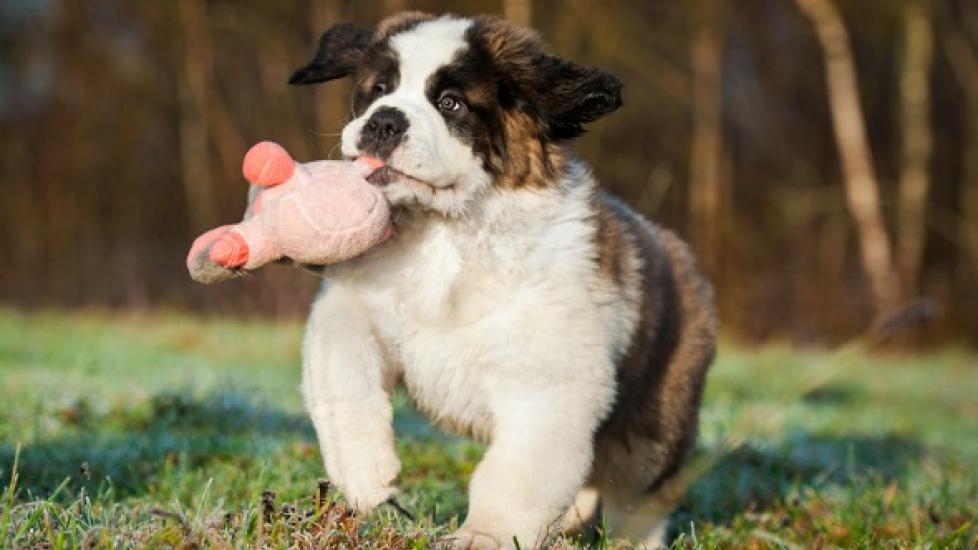
By Carol McCarthy If a young dog has joined your pack recently, you likely have questions about what the first year or so in her life will look like from a developmental perspective. When will she stop growing? What do those big paws really mean? Dr. Susan O’Bell, a primary care doctor at Angell Animal Medical Center in Boston, and Dr. Matthew Rooney, owner of Aspen Meadow Veterinary Specialists in Longmont, Colo. and a board-certified specialist in surgery, have the answers. When Do Dogs Stop Growing and How Big Will My Puppy Get? Most dogs’ growth plates close at around 9 to 11 months of age, the doctors say. By that point you should have a good sense of your dog’s ultimate height and length, with giant breeds growing until they are a little over a year old, O’Bell says. Smaller dogs reach full growth a bit sooner, between six and eight months, Rooney says. “Many medium and large breed dogs retain a ‘juvenile’ appearance for their first one to two years of life, but technically they aren’t still growing,” O’Bell says. So, although your dog’s demeanor and behavior can still appear juvenile, and sometimes their features retain that “puppy” look (with a coat of soft hair, rounded facial features and ears and a narrower chest), your dog should no longer be growing after it turns two. If you know the breed of your dog or, better yet, the parents of your pup, you can estimate how large your dog will be from that, Rooney says. Otherwise, it can be tough. One of the best predictors of ultimate stature are your dog’s siblings, O’Bell says. If you can check out a previous litter of the same sire and dam, you will get a glimpse of your dog’s future size. “For purebreds, there are some general ranges available, so your dog’s ultimate size shouldn’t be a huge surprise,” she adds. Unfortunately, while pet parents are quick to comment on the size of a puppy’s paws and ears, they don’t tell us much about how big a dog will be. “We often comment about how big a puppy’s paws or ears are, but these are not reliable indicators,” O’Bell says. Rooney agrees that, while a puppy can have ears or paws that seem too large or small for their frame at the time, they don’t indicate how big that puppy will become.
In This Article How Does an Invisible Fence Work? View 2 More +
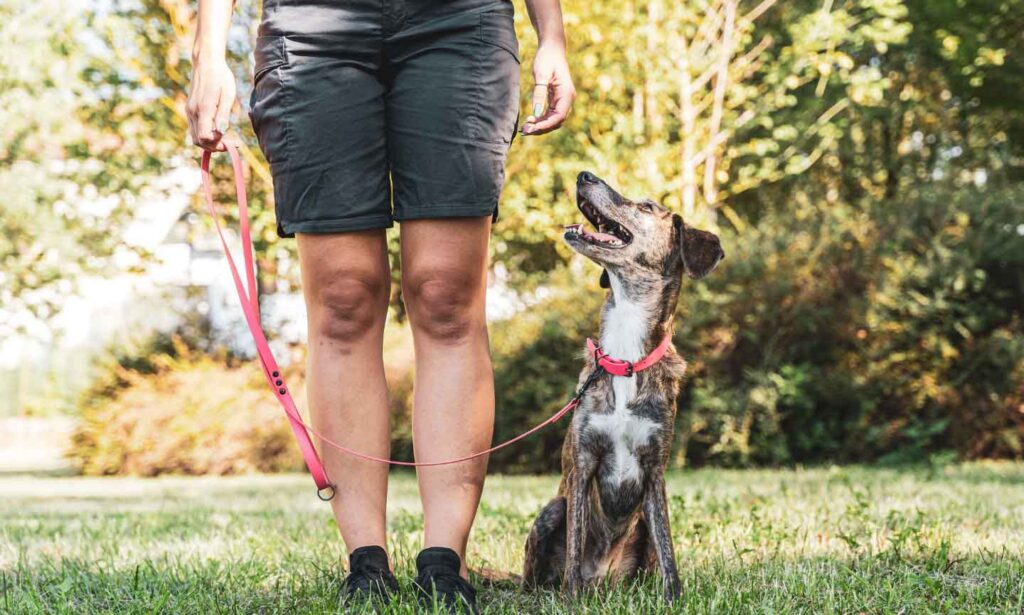
Look for these attributes to find the right dog trainer for you: A Professional Certification: Dog training is an unregulated profession, which means literally any person can start a business as a dog trainer, even if they’ve never met a dog before. To ensure you’re working with a real pro, make sure your trainer has been certified by a respected professional organization (more on those below). A Positive Reinforcement Approach: Positive reinforcement is a training methodology that’s backed by research, as well as supported by most professional dog training organizations. Using this approach means rewarding your pup’s good behavior with treats, toys and/or praise, and never punishing them when they don’t do what you want. No matter what a dog is learning, from basic training to more difficult skills, studies have proven that positive reinforcement is as effective as (and in some ways better than) other training methods—and a good dog trainer will be well-versed in it. Experience With Your Training Goals: From basic manners to complex tasks like assisting people with disabilities, dogs can learn to do a wide range of things—and not every trainer will have experience in all of them. Ask yourself what you hope to get out of dog training, and then search for a trainer who specializes in it.,Jump to section What to Look For Group Classes Vs. Private Sessions How Much Does a Dog Trainer Cost? Find a Dog Trainer Near You
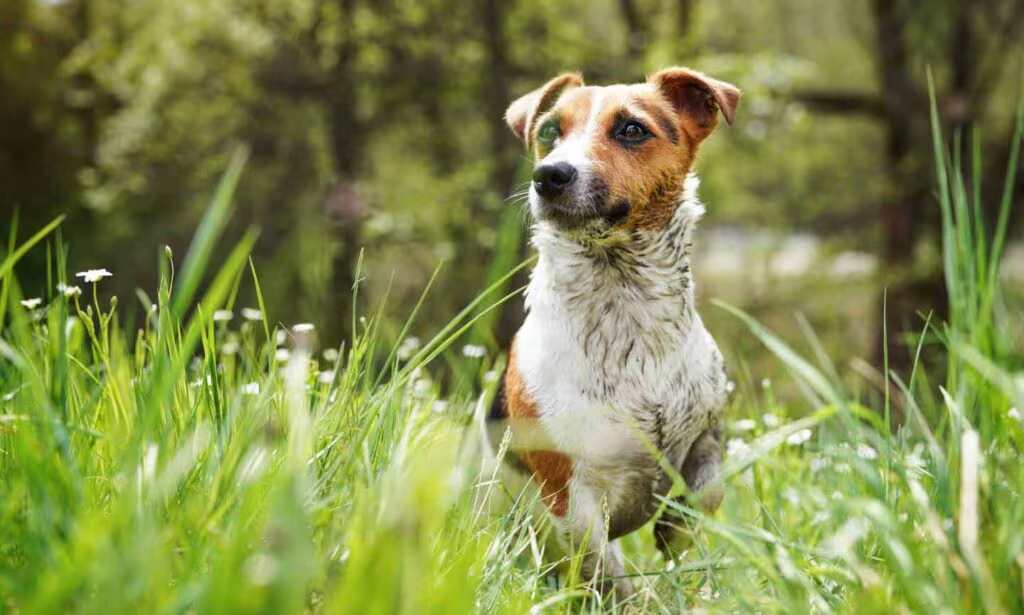
You’re running your hands through your dog’s fur and… wait, what’s that bump? You carefully part their fur. It’s brown (or maybe gray) and stuck in your dog’s skin—it’s a tick! Ticks on dogs are more than just gross. They can also carry dangerous diseases like Lyme disease. Regular tick checks, prompt removal of ticks, and using tick preventives are key to keeping your dog comfortable and healthy.

What Is a Horse Whisperer? Your Guide to Natural Horsemanship

The 5 Best Winter Dog Sports and Activities to Try With Your Pup