How Long Do Dogs Live?
In This Article The Average Dog Lifespan View 5 More +


Dogs

In This Article The Average Dog Lifespan View 5 More +
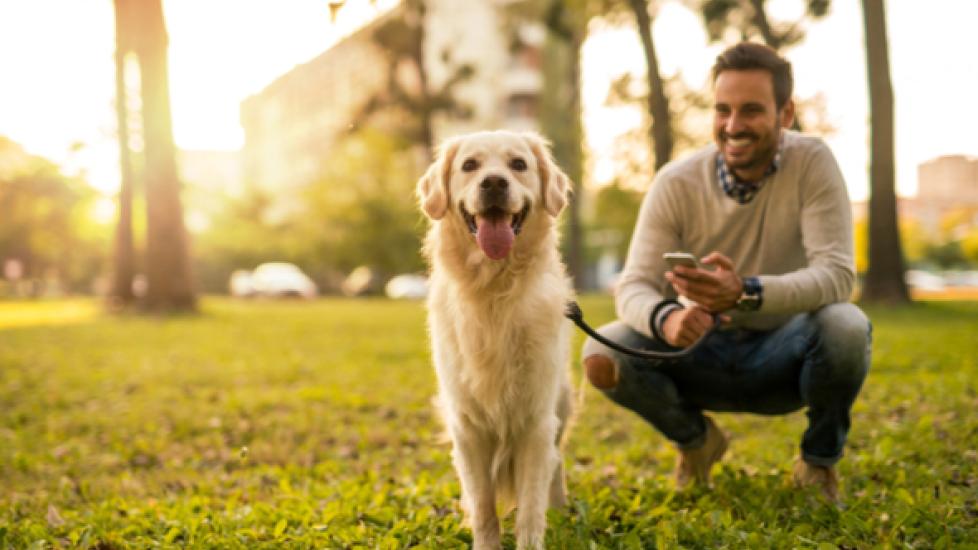
Many methods for dog training exist, including using a dog clicker, classical conditioning, positive reinforcement and the Premack principle. Although you may not have heard of the Premack principle, you might already be using it with your dog and even your children. Developed in 1965 by David Premack, who was an Emeritus Professor of psychology at the University of Pennsylvania, the Premack principle works on both humans and dogs. The simplest and most noted example of the Premack principle at work is when you tell your kids, “If you eat your vegetables, then you can have dessert.” This means that the more probable or rewarding behavior (getting dessert) reinforces the less probable or rewarding behavior (eating vegetables), says Megan Stanley, certified professional dog trainer and owner of Dogma Training in Calgary, Alberta, Canada. “This can be a powerful technique in dog training, as you’re rewarding your dog with highly motivating behaviors that you know he enjoys,” says Stanley. “It enables you to use life rewards, which are what your dog wants, and allows you to vary those rewards.” Offering life rewards as reinforcers can create a more responsive and cooperative dog because your dog will think you control the universe, says Bhambree. Applying the Premack Principle to Dog Training To begin, observe what your dog values, says Bobbie Bhambree, certified dog behavior consultant, certified dog trainer and owner of DogCentric Training & Behavior in New Rochelle, New York. Is it playtime with a canine companion, going to the dog park, swimming or playing with a dog toy? Make a list of those fun activities, she says, and you’ll see where you can implement the Premack principle in your dog’s training. Then, decide which behavior you want to instill and which reward you’ll choose. Scenario 1: To illustrate this, Bhambree gives an example of how she trained her dog, Topper, not to bark when she opened his crate door in the morning. “Topper gets excited and expresses that excitement by barking,” says Bhambree. “I taught him that if he remained quiet (a low probability behavior), he could exit the crate and join the other dogs in the bedroom.” Scenario 2: In another scenario, Bhambree uses the Premack principle when training dogs to drop dog ball toys at their owner’s feet. For most dogs, ball chasing is much more reinforcing than returning the ball to you, says Bhambree. However, your dog learns, over time, that there’s a relationship between the two: he must bring the ball to you before you can throw the ball for him. Your dog quickly learns that dropping the ball (a low reward behavior) results in getting to chase the ball (a high reward behavior). Sitting and staying can also be taught by incorporating the Premack principle. Scenario 3: Teaching your dog to sit and wait comes in handy on many occasions. The dog may be anxious to greet a guest who is at the door, excited to say “Hi” to another dog on the street, wiggly when you want to put on a harness, or nervous when a groomer or veterinarian wants to examine him. This can be seen in terms of the Premack principle: calming your dog and putting his harness on (a low probability/reward behavior), so he can ride in the car (a high reward behavior). Stanley demonstrates her own step-by-step method for how to train your dog to relax so you can put the harness on: Stroke your dog’s side with the back of your hand, and if he remains calm, give him a few dog treats. If he seems nervous, hold the treat in front of his nose as a distraction. Pet his back, down his tail, under the belly, and touch his legs and paws. Take plenty of breaks and continue to reward him for staying calm, giving plenty of verbal praise along the way. Increase the pressure and prolong your touch, while continuing to reward him. Stanley explains that dog training is more effective if done in shorter sessions, and it’s ideally taking place throughout the day, whenever the opportunity arises.

With their sturdy build, upright ears, and flat faces, it can be hard to distinguish a Boston Terrier versus a French Bulldog at a quick glance. But no two breeds are created equal, and there are notable differences between these two cute dogs. Here’s how to tell them apart, how their personalities differ, and how to pick which pup is right for your family.

Our Pug, Poppy, aged so slowly and gracefully that we gradually incorporated changes to our home to accommodate her needs without a lot of conscious thought. For instance, when going up and down our steep wooden stairs in our old farmhouse became difficult for her, we began to scoop her up and carry her without a second thought. We’d been doing this for two years or more when my husband asked one day, “What happens when Poppy can’t do stairs anymore?” “We’ll continue to carry her like we have been,” I replied. He looked surprised. “I thought we just did that because she liked it.” Lifting her small, sweet self was not much of an effort. The other actions we took to keep her comfortable in her final years were simple, too, but helped keep her happy until it was time to say the long goodbye. Below are some ideas that you might incorporate to keep your senior dog content in her later years.
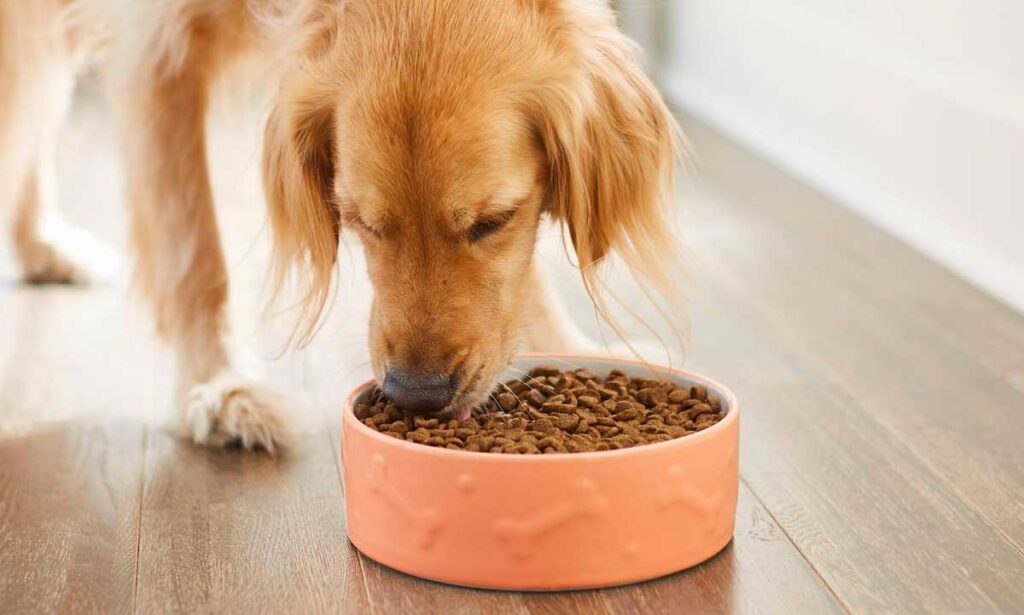
You are in charge of your dog’s diet and overall health, so it’s natural to ask the question, “How much food should I feed my dog?” The exact answer to this question depends on the type of food you’re feeding and other factors, like your dog’s activity level and specific dietary needs. But experts have come up with general guidelines to make feeding time a little more straightforward. We talked to two veterinarians to get the scoop on all the different factors that impact how much to feed your dog, and to put together a dog feeding chart that will help you come up with a good baseline. Of course, if you want to get really specific, make sure you’re talking to your own vet to get the exact number of calories your dog should be eating each day.
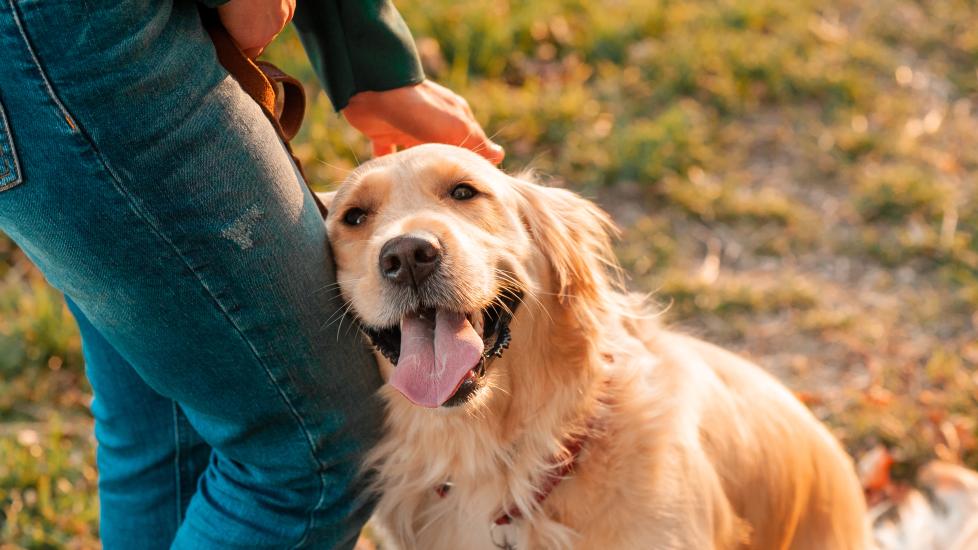
5. Can Dogs Sense Illness? Dogs’ ability to smell illnesses has been well documented. Typically, the biggest indicator of illness is through odor. Dogs can detect metabolic changes in our breath and through our skin. Most recently, a test was studied on dogs’ ability to detect COVID-19. Overall, the average rate of successful detection was 94%.,6. Can Dogs Sense When Someone Is Having a Seizure Or About To Have One? Seizures cause changes in a person’s physical appearance and facial expressions, thus alerting their pup that something isn’t right. Pet parents who experience seizures can train their pups to help them. However, not all dogs will alert a person of an impending event even if they can sense it.,Dogs experience the world differently from their human counterparts. They have heightened physical senses and are aware of things we aren’t. Dogs can detect emotion, physiological changes (changes in the functioning of the body), illness, and environmental events, such as weather. This sensitivity is connected to their ability to see, smell, hear, and feel. They see fewer colors because of color blindness, and they see in higher contrast. This provides better night vision and the ability to track movement. A dog’s peripheral vision is wider, but they see less detail. There’s no contest when comparing a dog’s sense of smell to their human’s. A dog has about 300 million scent receptors compared with a human’s 6 million. A pup’s hearing also differs from ours. Dogs’ ears are built for hearing at higher frequencies than a human, but they don’t recognize changes in pitch as well as we do. In fact, there are many other differences between dog and human hearing. A dog’s fur and skin help them feel and process interactions with other animals, including humans. Pressure from a puppy playmate’s teeth can help communicate a need for less intense play. Given all of their incredible senses, dogs possess the ability to sense things about the world that may surprise you.
Related Articles How Your Dog’s Behavior Can Change with Age PetMD Editorial What to Know: Adopting a Diabetic Dog Michael Kearley, DVM Are You Ready to Adopt a Special Needs Dog or Cat? PetMD Editorial Dog Regurgitation: Why is My Dog Throwing Up Undigested Food? Jennifer Coates, DVM Can You Be Allergic to Dog Saliva? […]

By Helen Anne Travis Every year, the Michelson Found Animals Foundation helps thousands of animals in the Los Angeles area find their forever homes. The majority of pets are strays, which means shelter staff and volunteers have to come up with new names for thousands of cats and dogs each year. Sounds like fun, doesn’t it? “It is for the first few hundred,” says Aimee Gilbreath, executive director of the rescue organization. “But then it gets a little challenging.” To make the process as easy and fun as possible, the volunteers and staff use shortcuts. They might name a litter of puppies after the characters on Game of Thrones or Star Wars. Sometimes they’ll take their inspiration from the season (there are a lot of white kittens named Snowflake each winter). If the animals have distinct personalities or physical features, those traits might influence their names. The foundation once worked with a local shelter that was trying to find a home for an older pup with only three legs, Gilbreath says. They named her Eileen (get it?). But what if you had a horrible boss named Eileen and don’t want to be reminded of her every time you see your new dog? That is a conundrum faced by almost all prospective pet owners who visit shelters nationwide. Is it OK to rename an adopted pet? And what are some tips for making the new name stick? Why Shelters Name Pets Naming shelter animals helps potential adopters form a bond, says Gilbreath. It’s a lot easier to fall in love with “Snowflake” than “Cat Number 3,298.” “There are so many animals looking for homes,” says Jme Thomas, executive director of the Motley Zoo Animal Rescue in Redmond, Washington. “Anything you can do to better market an animal to an adopter is essential to saving their lives.” At Motley Zoo, most animals are named after musicians or celebrities. Right now Celine Dion, Mario Batali and John Mayer are all looking for forever homes. To further appeal to potential adopters, the animals are sometimes photographed with their celebrity namesakes, like Gin and Juice, two cats who got to meet Snoop Dogg. “It gives the animal an identity,” says Thomas. But what if the animal comes to the shelter already named? Say a dog’s owner died or a cat had to be surrendered because a landlord didn’t allow pets? For the most part, the name stays, says Thomas. Gilbreath agreed that’s standard practice. “At most shelters, if an animal has a name you keep the name unless there’s a good reason not to,” she says. Good reasons to change a pet’s name include instances of past abuse. Shelters will also rename pets whose current name might prevent them from finding a forever home. Gilbreath remembers working with a rescuer who was trying to find a home for a dog named Killer after his owner passed away. The dog was renamed Keller, something that sounded like his original name but was perhaps more appealing to potential adopters.
In this day and age of electronic everything, there is still a need for documents that are tangible and shareable. There are several documents all pet parents should have on hand to ensure their pets’ wellbeing. Here are eight documents that every pet parent should keep safe and on the ready.
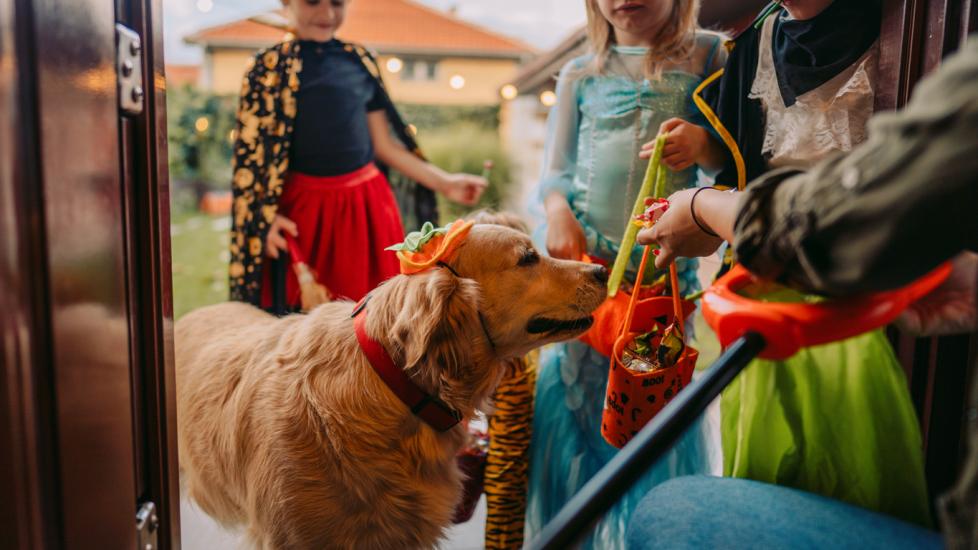
No matter how much they beg, your dog should not get treats out of the Halloween candy bowl. Generally, it isn’t a good idea to share any candy with your pet for several reasons. Some types of candy (such as dark chocolate and those containing xylitol) can make your dog very ill and can even be fatal. Others are likely to cause an upset stomach. Sweets are not good for dogs and can contribute to many health problems, including obesity. If you believe your dog has eaten some candy, call your veterinarian immediately. Chocolate Chocolate is one of the more common causes for concern, particularly since it is widely available and smells tempting to our canine friends. Eating chocolate can cause an array of concerns for dogs, depending on the type and amount of chocolate eaten. In general, the darker the chocolate, the more toxic it is; milk chocolate is safer than semi-sweet, which is less toxic than dark, which is less toxic than baker’s chocolate. The amount of chocolate and size of the dog matters too. If a chihuahua eats 20 bars of milk chocolate, they are going to be in for trouble, but if a Labrador retriever eats a fun-sized bar of milk chocolate, he is likely going to be okay. When you call your veterinarian, be prepared to provide the weight of your dog and the type and amount of chocolate ingested. The vet can determine the best treatment options. What makes chocolate toxic to dogs but not people? Chocolate contains several active chemicals, including theobromine and caffeine. Dogs are not designed to metabolize these as well as humans, meaning that these chemicals are far more powerful in dogs. Signs of chocolate toxicity vary from dog to dog, depending in part on the type and amount of chocolate eaten. The symptoms may take several hours to develop, so don’t assume that just because your dog looks and acts normally, all is well. In minor cases, a dog with chocolate toxicity may only show: Vomiting Diarrhea Restlessness Panting Excessive thirst Urination High heart rate Some dogs will go on to show more severe signs, including muscle tremors, seizures, heart failure, and death. Even if your dog has eaten a small amount of milk chocolate, contact a veterinarian immediately. Chocolate-Covered Raisins Chocolate-covered raisins unfortunately combine two problems for our pets: the toxicity of chocolate and the risk associated with eating raisins. We don’t know exactly why, but some dogs will become severely ill—and even die of kidney disease—from eating even one raisin or grape. Signs can be very similar to chocolate toxicity, but they often will focus on extreme thirst and urination, poor appetite, vomiting, and lethargy. It is important to have your dog checked out immediately if they have eaten any amount of raisins or grapes, including chocolate-covered raisins. Hard Candies Hard candies can be problematic for dogs, especially the sugar-free varieties that may contain xylitol. Even a very small amount of xylitol can cause a severe drop in blood sugar in dogs, which can also lead to seizures, coma, and death. If you think your dog has eaten even a single sugar-free hard candy, call your veterinarian to be seen immediately. Hard candies can also lead to choking and can result in obstructions if multiple candies “stick together” once they get to the stomach. Because the candy is slippery when wet, it can also easily be inhaled into the windpipe, obstructing breathing. Dogs that eat only a few hard candies may get away with just an upset stomach, but dogs that eat more, or those that contain xylitol, may be in for a much more difficult ride. It can often start with vomiting, diarrhea, and lethargy and progress to lack of appetite, restlessness, panting, and abdominal pain. Severely affected dogs might begin to have seizures and other neurological signs. Call your vet right away and be ready to give the approximate weight of your dog, what types of hard candy might have been eaten, and how many. Candy Corn Candy corn and other sugary candies are often found in high numbers in households, especially around Halloween. Although these are not considered to be toxic to dogs, they can certainly make them sick and severely disrupt their digestive tract. These high sugar treats for humans can result in significant abdominal discomfort in dogs as well as severe gas, bloating, and diarrhea. In sensitive dogs, inflammation (swelling) of the intestinal tract may spread to involve the pancreas, leading to pancreatitis. This is a sometimes-fatal disease in dogs and one that requires treatment. Signs of a problem with these candies are similar to those mentioned above, often starting with vomiting, diarrhea, a painful belly, restlessness, panting, and lethargy. In the case of pancreatitis, however, the signs are often quite severe and persistent, and may even take several days after exposure to become fully evident. Some dogs who get sick from eating candy corn seem to get better, but then get sick again. In these cases, pet parents may overlook the fact that the candy was the underlying cause. Contact your veterinarian for advice if you think your dog has eaten high-sugar candies like candy corn, but less than 2 teaspoons is likely to be safe for a medium- to large-breed dog. Lollipops Lollipops combine plenty of dangers similar to other candies. They can be a choking hazard, block the intestinal tract, get slippery when wet and block the windpipe, and contain a lot of sugar. There are lots of reasons your dogs should not have them. If your dog does eat one or more, the signs are similar to the above candies and the advice is the same: call your veterinarian with information about your pet and what they might have eaten, so they can determine treatment, if any. Candy Wrappers Most dogs don’t unwrap candies before they eat them, and the wrappers can sometimes pose more of a problem than the candies themselves. If eaten in a larger quantity, wrappers may ball together and cause a gastrointestinal obstruction. Even in smaller quantities, wrappers are likely to result in inflammation (swelling) of the gastrointestinal tract, which often results in poor appetite, vomiting, and diarrhea. In severe cases, surgery may be necessary to remove the wrappers. In less significant cases, medication to soothe the intestinal tract may be all that is needed. In either event, while you are talking to your veterinarian about the candy your pup ingested, don’t forget to mention the number of wrappers you believe may have also been eaten. My Dog Ingested Halloween Candy; Now What? If you know that your pet has eaten Halloween candy, it is best to seek advice immediately to find out what actions, if any, are important to take for your pet. It is best not to wait for clinical signs to develop, because once your pet is sick, this means some toxins have been absorbed and treatment is likely to be more difficult and expensive. Particularly if your pet ate dark chocolate, anything containing raisins, or more than one or two candy wrappers, a visit to the veterinarian is likely necessary. Your first phone call should be to your regular veterinarian if they are open, or if not, to your nearest emergency clinic. It is also a good idea to contact poison control. There are several hotlines, including those operated by the ASPCA® and Connect with a Vet (Chewy). Be sure you are seeking advice from a veterinary-specific hotline, and that they will report the recommendations directly to the clinic that will be seeing your pet. This could save time in getting proper treatment, but don’t delay your travel to the veterinarian to make the call. If you can call while you are waiting to be seen, however, that could be very helpful. Although it is tempting to induce vomiting, do not do so unless directed to by a veterinarian or by poison control. Some problems can be made worse if vomiting is induced. Perhaps most importantly, don’t panic! Your pet can sense your emotions, and if you are uptight, they will be too. Stay calm and work through the situation with the help of your veterinarian. Keeping Pets Safe During Halloween An ounce of prevention is worth a pound of treatment. Be sure to keep all candy up and out of reach of your pets. It is safest to simply not have anything highly toxic to your pet in the house. So don’t buy dark chocolate or xylitol candy to have at home. Take it to work instead for a treat and leave the leftovers there. Remember, there are all kinds of pet-safe recipes that you can make if you really want to share Halloween treats with your pets. It is helpful to keep emergency information nearby so you don’t have to look it up should you ever need it. Put the numbers in your phone and post the info someplace in the house where everyone can see it. Include your regular vet’s contact information, how to get a hold of the nearest one or two emergency clinics, and your dog’s current weight. With a little care, you can prevent Halloween from becoming a dangerous time for your pets. Don’t share candies with your dogs, and look for pet-safe treats instead!


What Is a Horse Whisperer? Your Guide to Natural Horsemanship

The 5 Best Winter Dog Sports and Activities to Try With Your Pup