How Do You Know When to Put a Dog Down?
In This Article When Is It Time to Put a Dog Down? View 4 More +


Dogs

In This Article When Is It Time to Put a Dog Down? View 4 More +
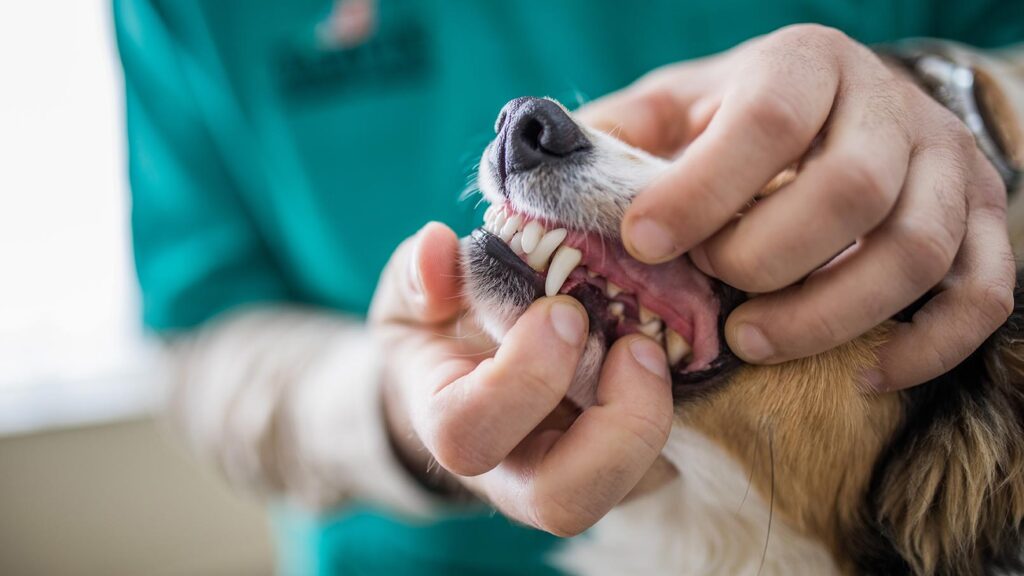
If you’re wondering whether pet insurance covers dental care, the answer is: It depends. Coverage for dental care varies widely by provider and plan. Some policies cover dental illnesses and accidents, while others only reimburse for routine cleanings through an optional wellness add-on. If you’re searching for pet insurance that covers dental care, it’s important to refer to the policy documents and understand how each plan treats both preventive and emergency dental needs. Let’s explore the details so you can choose the right coverage for your furry family member.
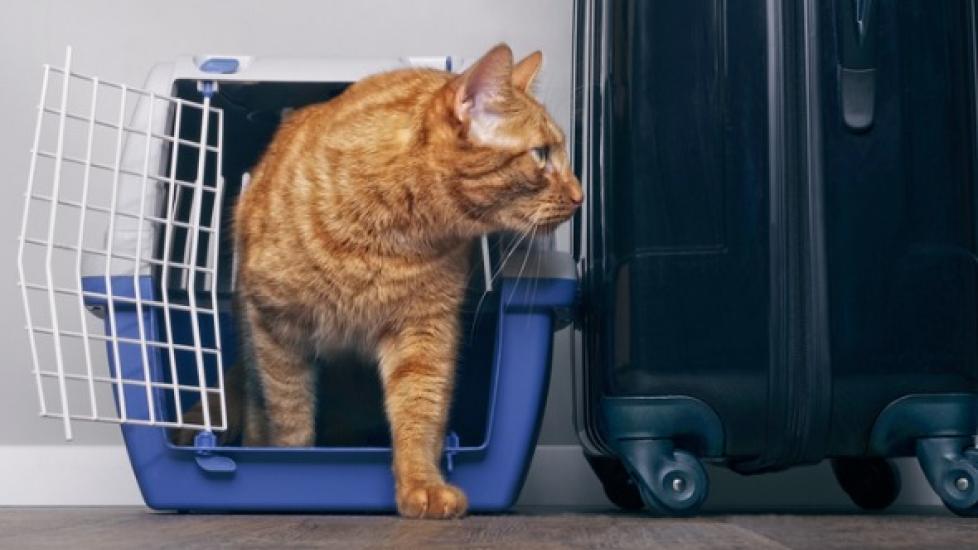
Reviewed for accuracy on May 22, 2019, by Dr. Katie Grzyb, DVM In the case of a major disaster, would you know where to go with your pet? Pet disaster preparedness is about more than just having an evacuation kit ready. You should also know where you and your furry companion will be seeking shelter together, because you should never leave your pet behind when evacuating for an emergency. The time to prepare for a disaster is before it happens, according to Elizabeth Richer Campo, senior vice president of Pasadena Humane Society & SPCA. “Get to know what the potential risks are where you live.” “As a Californian, I have made plans based on having to evacuate in a disaster (fire and earthquake) or managing at home if roads are inaccessible (a potential scenario in an earthquake),” Richer Campo says. Here’s a list of must-do’s so you can stay at a safe, pet-friendly accommodation during an emergency. Locate Pet-Friendly Shelters First, you’ll need to determine where your evacuation zone is, then you can research pet-friendly shelters in that area. The local health departments (county or state) or the local emergency management office should be your first stop when organizing a pet evacuation plan. These are usually the groups that coordinate emergency responses, so they may likely have information on pet-friendly shelters or kennels in your evacuation area, says Dr. George Ghneim, DVM, PhD, from Wake Veterinary Hospital & Urgent Care. When researching possible places to seek shelter in your evacuation area, call around to different kennels to find out if they have pet-friendly housing available and what kind of papers need to come with your pet, advises Richer Campo. Richer Campo suggests asking questions like, “Do they need proof of vaccinations? Do they take all sizes/breeds of dogs?” She also says that if you have exotic pets, it is even more important to plan ahead because they are more difficult to house. Check with the veterinarians in your chosen location to see if they can house your exotic pets. Advocate for Pet-Friendly Shelters in Your Evacuation Zone “Although most emergency shelters do not allow pets, some make exceptions for therapy and assistance animals,” says Dr. Ghneim. “Some states require that evacuation centers have a location where small domestic animals can be housed on the same site,” Richer Campo says. If your state or municipality doesn’t have this requirement, Richer Campo says, lobby for it and talk with your city council and state representatives about evacuations for pets.” Reaching out to the Red Cross is also a good idea, says Richer Campo. The Red Cross will work with partners in your community who can open a pet shelter nearby. Look for Pet-Friendly Hotels Within Driving Distance Contact hotels, motels and even bed-and-breakfasts in your evacuation area to see if they accept pets. Although it’s hard to predict the best locations, as that really depends on the type and intensity of the disaster, Dr. says that making a list of nearby hotels is a good start. You should also create a list of veterinary hospitals and kennels in that area. When talking to hotels, find out if they have restrictions regarding the breed, size or number of pets. Even hotels that don’t accept pets might make an exception in case of a disaster, so ask about that, too. Pick an “Emergency Evacuation Town” Even better than just a nearby hotel or pet kennel is a town outside of your evacuation zone that you can reach within an hour or two. This town could serve as home base until the emergency situation dissipates. “Picking a town that you are familiar with is a great idea,” says Dr. Ghneim. Dr. Ghneim recommends choosing a location that is both outside of the designated evacuation and easy to relocate to quickly. He says, “The distance will depend on the type of disaster—a flood zone or burn zone may be rather small, but a category 4 hurricane may cover hundreds of miles.” Picking an “emergency town” is especially helpful for disasters that have some kind of warning or regular pattern, says Richer Campo. “Look at what areas are historically safer and start looking for housing options in those areas,” she says. “Have that list as part of your disaster kit, so when a disaster is predicted, you can start making reservations.” Ask Family and Friends for Help It doesn’t hurt to ask relatives or friends if they could serve as an emergency shelter in the case of a disaster. Even if they can’t host you for a long period of time, maybe they could take you in for one night before you continue on to your destination. You should talk with them in advance to create a plan instead of just springing it on them during an actual emergency. “Communication and planning are important when handling where you will go in an emergency, whether it’s short-term or long-term,” says Dr. Jim Carlson, DVM of Riverside Animal Clinic. “If you are thinking of staying with family and friends, you should discuss their level of comfort with your animals.” Keep Paperwork Handy and Ready to Go If you need to evacuate with your pets, any place that takes your pet in (from a hotel to a pet-friendly shelter) will ask for at least the basic paperwork before you can check in. “It’s likely that a kennel, extended-stay hotel or airline will ask for proof of vaccination and possibly a negative intestinal parasite screen,” says Dr. Carlson. Your vaccine records should include proof that your pet has been inoculated with all of their core vaccines, like rabies, distemper/parvovirus and Bordetella (kennel cough), Dr. Ghneim says. You should be sure to have multiple forms of your pet’s vaccination and health paperwork. You can keep physical copies in a go-to binder and digital copies in your email and on your phone, says Dr. Carlson. “In addition to vaccination and health papers, don’t forget pet identification information: microchip number, photos and a collar with your name and contact information on it.” By: Diana Bocco Featured Image: iStock.com/Lightspruch
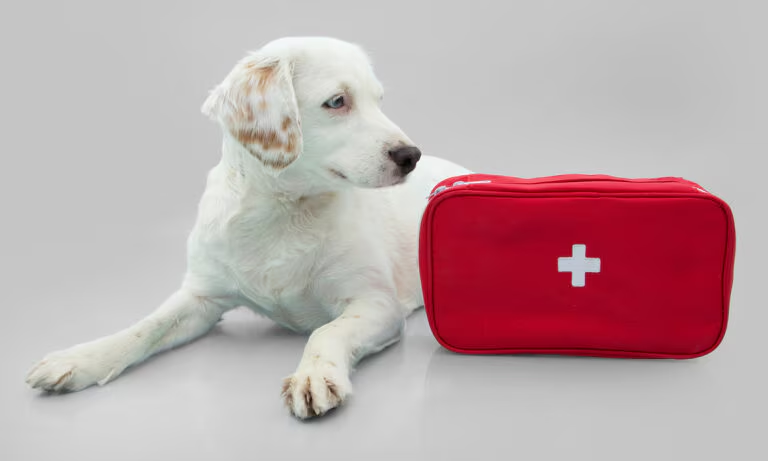
As pet parents, we want our fur babies to be healthy and happy 24/7. Unfortunately, though, our pets may face a few emergency situations over the course of their lives that require quick medical attention. Knowing basic first aid and CPR can make all the difference. We got the 411 from two vets on first aid for dogs and cats, including how to handle common injuries and how to put together a pet first aid kit.

Yield: 24 treats Serving size: 1-2 treats, depending on the size of your dog Prep time: 20 minutes Total time: 1 hour, including cooling,Perfect for dunking into a dog-friendly Pumpkin Spice Latte or a cup of dog-friendly “hot chocolate,” these Italian-inspired treats are baked in strips, cut up into slices and baked again for the perfect crunchy treat—hence the name “biscotti,” which means “twice-cooked.” What’s great about these easy to make, three-ingredient dog-friendly biscotti treats is you can either serve them plain, or you can add in dog-safe ingredients, like dried cranberries, peanut butter or plain pumpkin puree, to make a variety of flavored biscottis. Our favorite? Biscottis drizzled with a delicious carob glaze. (Carob is a dog-safe chocolate alternative because chocolate is poisonous to dogs.) And of course, if you’re not so handy in the kitchen, you can always purchase pre-made biscotti dog treats! Keep scrolling for our favorites. As with any human food, pet parents looking to incorporate new foods in their dog’s diet should consult with their veterinarian beforehand.

As pet parents, we will all experience the heartbreak of losing a beloved companion. After such a loss, people often work through personal grief by taking comfort in memories, photos, and physical reminders of the pet that we so dearly loved. While we understand that death is an inevitable part of life, do pets also make this connection? How do dogs and cats understand and react to death? Do they grieve when they lose a beloved person or another pet in their family? Do Dogs and Cats Grieve Their Loved Ones? While it is unlikely that pets grasp the concept of their human companion being gone forever, there is definite evidence to suggest that they grieve the loss. This is shown through behavioral changes after a pet experiences a loss, likely in response to missing the company of their companion and the change in their shared daily routine. You may have personally witnessed or heard stories about dogs that are closely bonded to their owners, or military and law enforcement dogs, that have shown behavioral changes consistent with grief and depression after a loss. There have been numerous photographs and videos of dogs waiting patiently by the front door, sitting at the end of the driveway, and even resting near their owner’s gravesite that have been shared as proof that these animals miss their owners or handlers and are grieving their loss. Cats can also show signs of grief, and although you don’t see as many media representations, there is plenty of evidence. Signs of Grief in Pets Several surveys and studies have revealed some common signs of grieving in cats and dogs. Researchers in New Zealand reported in 2016 that dogs and cats exhibit signs of stress and grief over the loss of their canine and feline companions, and their behaviors were similar to those of young children who grieved the loss of a family member: Behavioral Change Percentage of Dogs Involved Percentage of Cats Involved More demanding of attention 35 40 Being clingy or needy 26 22 Seeking less affection from pet parents 10 15 Seeking out the deceased’s favorite spot 30 36 Increased duration sleep 34 20 Decreased amount eaten 35 21 Slower eating 31 12 Increased frequency of vocalizations 27 43 Increased volume of vocalizations 19 32 In 1996, the ASPCA conducted a survey of cat owners to better understand whether cats grieve, and if so, what the most common signs of grief were. Results of the survey revealed that most cats experienced a change in vocalizations following the death of their companion, and this sign was more common than any other physical or behavioral manifestation. Other signs of grief included a loss of appetite, a notable change in sleep patterns (some cats slept more than they normally would, while others experienced insomnia), a change in the areas of the home where they preferred to spend time or rest, and an increase in physical affection or clinginess toward their human companions. How Long Does Grief Last in Pets? Just like with humans, there is no finite period for grief, as every animal responds differently to a loss. Many experts suggest that animal grief will run its course in weeks to months, but studies of other species of animals recognized grief in closely bonded wild animal communities that lasted for years. How Does Our Grief Affect Them? A 2019 study from Duke University reported elevated cortisol levels in the hair of humans who indicated they were suffering from significant stressors in their lives. The study also found that pets living with humans under stressful conditions had elevated cortisol levels in their fur, suggesting that pets do sense our emotions and may exhibit similar physical stress responses. This can certainly translate to stress brought on by grief or loss, so it’s safe to say that your pet is also affected when you are grieving a loss. How to Help Grieving Pets After the death of a pet, there are several ways you can help other pets during their time of grieving: Stick to daily routines. Maintain a consistent mealtime schedule and continue any daily walks or other outdoor activities as well as playtime. Offer extra attention and affection to help pets recover emotionally from the loss of their friend. Try calming aids such as music therapy or Adaptil and Feliway diffusers and calming collars. Nutritional supplements such as Composure treats or Calming Care probiotics for dogs may also help alleviate your pet’s anxiety. Provide new, mentally stimulating toys and chews for dogs. For cats, you can offer new cat trees, interactive toys, or access to a safe outdoor enclosure. If your pet begins to show behaviors such as house soiling, destruction of toys or furniture, or excessive vocalizing and whining, it is important not to punish or discipline them. This will only teach them to fear you and may increase their anxiety and make these behaviors worse. Talk to your vet or ask for a recommendation for a behaviorist in these cases. Pets with more severe behavioral changes may also benefit from antidepressant medications. The amount of time that a dog or cat grieves will vary individually, but eventually they do recover and will usually fall back into their daily routines at some point. However, if your pet continues to decline physically or emotionally, consult with your veterinary team to be sure there’s no underlying medical condition that’s causing symptoms that you initially thought were related to grief. Cats in particular should be closely monitored if they stop eating, as prolonged anorexia in cats can quickly develop into a life-threatening condition known as hepatic lipidosis. Should Pets Be Present When You Are Putting Down Another Pet? The decision to allow pets to be present for euthanasia of their dying companion should be made on an individual basis. Some experts suggest that allowing pets to witness the euthanasia process and to see and smell their companion after they have passed will allow them to understand the finality of the situation. Some pets may linger for a while or curl up beside their companion after they have passed, while others may give a brief sniff before walking away or leaving the room. Regardless of the intensity of the response, the remaining pets will know that their friend is gone, which may allow for an easier grief and recovery period than if the pet suddenly disappeared from the home. Will My Pets Be Upset if I Get Another Pet Soon After a Death? Another consideration is finding the appropriate time to bring a new pet into your home after a loss. This will depend on your feelings and also the temperament and adaptability of your other pets. Bringing a new pet into the home too soon may cause increased stress and anxiety if your existing pets have not had time to process the absence of the companion that has died. This will inevitably disrupt the normal daily routine while the new pet becomes acclimated to their new surroundings. This increase in stress may result in some temporary undesirable behaviors, including house soiling or destruction of toys, bedding, or other household items. For dogs, a good compromise may be to schedule playdates with other dogs that they have already met and like. You could also plan regular trips to a dog park to allow them to interact with other dogs, which might benefit them both physically and emotionally. Cats may benefit from an increase in cuddling or physical affection from you as a means of distraction from the absence of their companion. Featured Image: iStock/ArtistGNDphotography

Puppies’ energy levels can seem near-infinite—they seem to want to play 24-7! Taking your pup for a walk is an easy way to let them release those wiggles, as well as to work on skills like leash training and potty training. But how often should you walk your puppy? The answer is different for each pet—here’s how to know your pup’s exercise needs.

In This Article Why Puppies and Dogs Chew View 1 More +
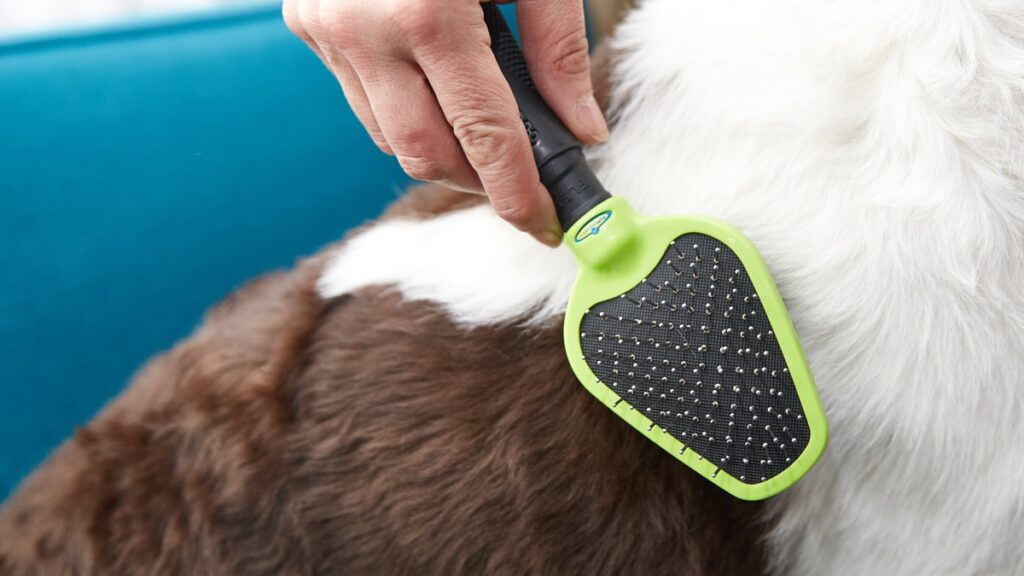
Finding the right dog grooming team for your pup can be just as hard as finding your favorite hairdresser. Pet grooming services are all different and, just like with your own hair, it may take a few visits to get the dog haircut you want for your pup. You should aim to schedule dog grooming services every 4-6 weeks, although this may change based on your individual dog’s needs, says Tracey Ditto, groomer and host of DIY Puppy Grooming Classes at Dogtopia in Waco, Texas. “If you have a Bichon or Shih Tzu that you like to keep long and fluffy, they may need to see a groomer more often to avoid becoming matted,” she says. “On the other hand, shorter-haired dogs may only need to see the groomer on occasion for a cleanup and nail trim.”

Is your dog scratching a lot more than usual, developing red rashes on their body, or having tummy troubles? Like people, dogs can have food allergies and intolerances and experience adverse reactions that range in severity after consuming a specific food. Depending on whether the root cause is a sensitivity or a true allergy, these symptoms can result in general discomfort and even secondary infections. We talked to experts to learn more about the differences between a food allergy and food intolerance in dogs and tips on how to manage them long-term. Speak with your veterinarian if you suspect your dog has a food allergy or intolerance.


What Is a Horse Whisperer? Your Guide to Natural Horsemanship

The 5 Best Winter Dog Sports and Activities to Try With Your Pup