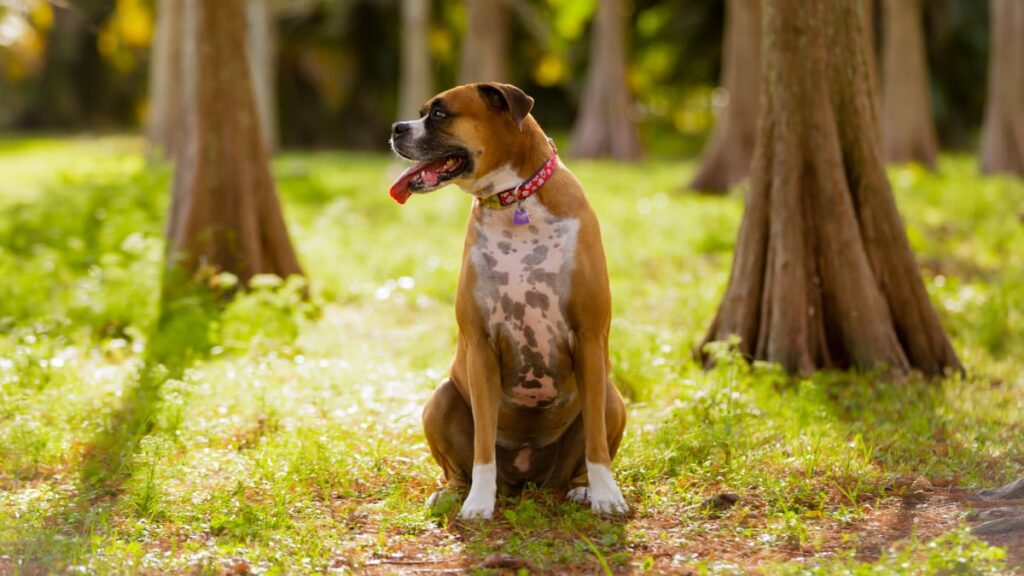
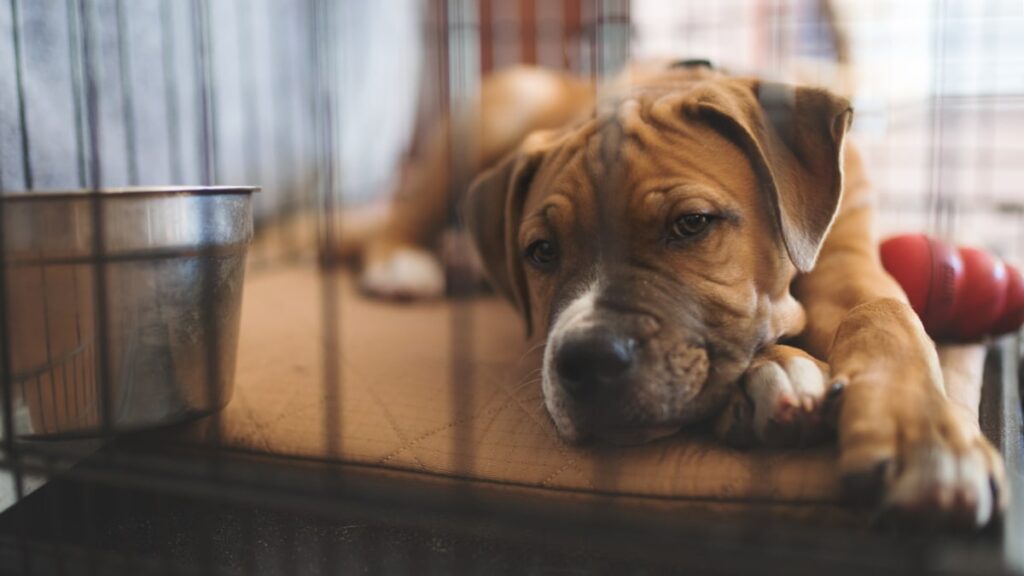
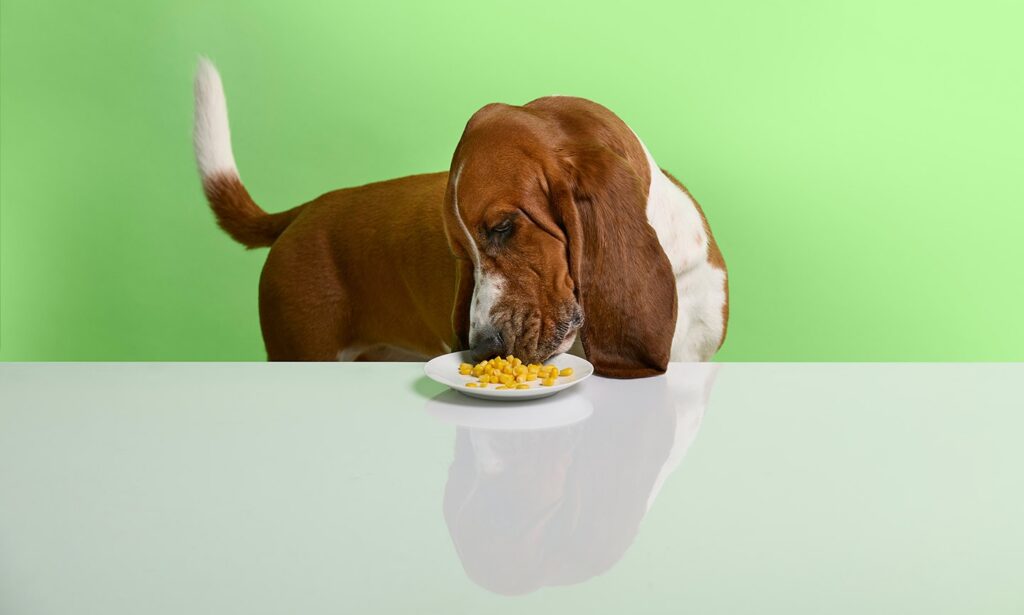
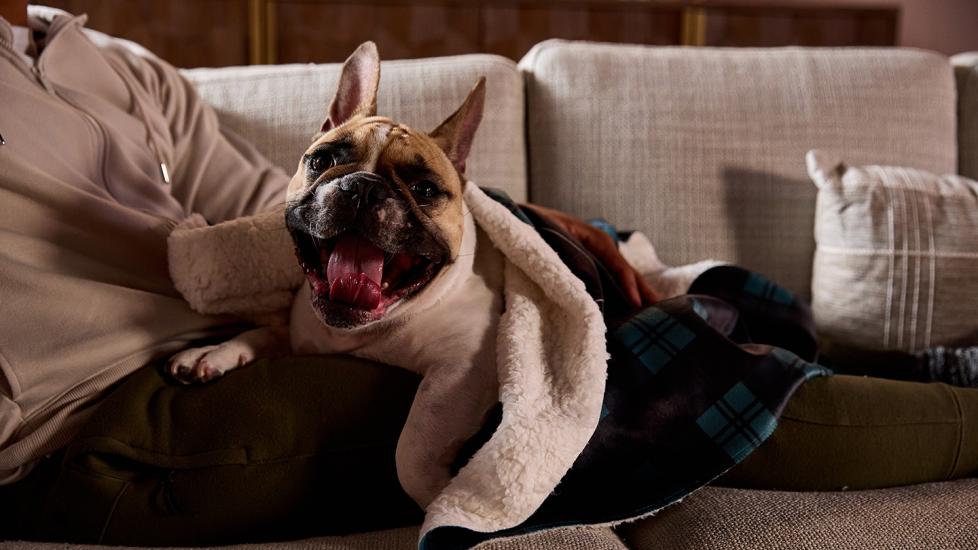
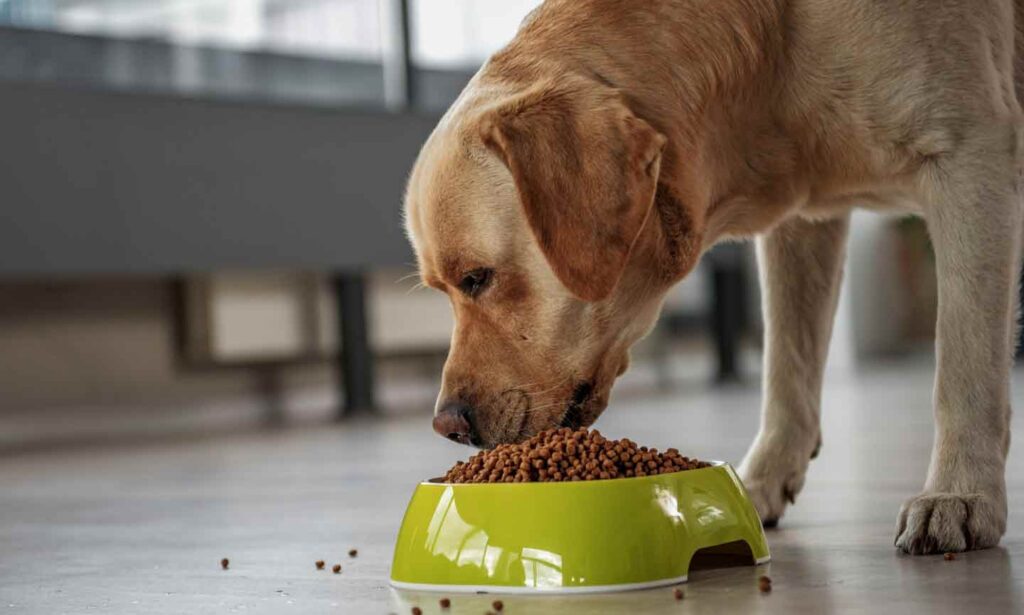
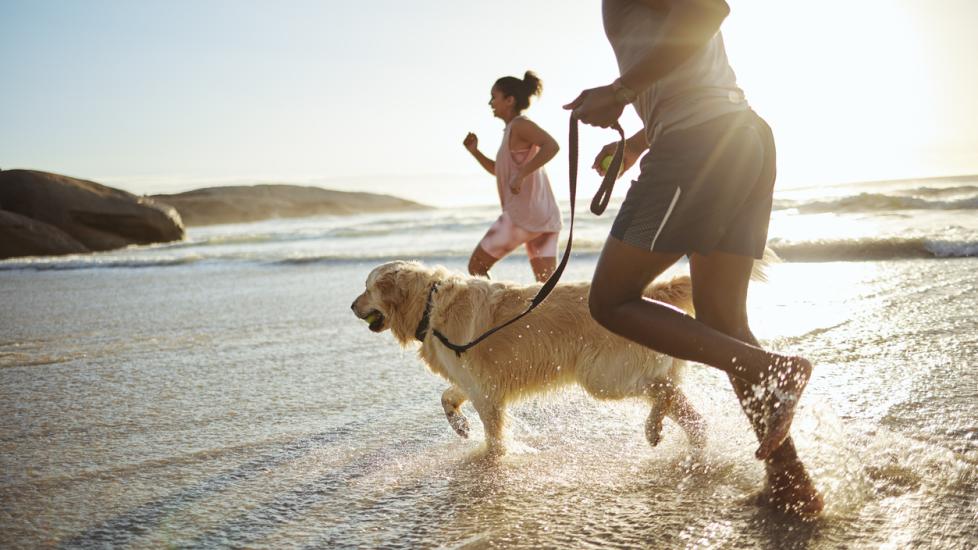
Sign 6: Stiffness Just like with people, a sedentary lifestyle—especially in older dogs—leads to muscle loss and stiff and painful joints. Daily exercise helps to maintain muscle tone as well as keep tendons and ligaments loose and ready for use. If your dog is having trouble with stairs or jumping, touch base with your veterinarian to see if a health problem such as arthritis is involved. But even if it is, a daily exercise plan will go a very long way to keeping your dog more limber and able to get around. Just make sure to add in exercise at a pace that is comfortable for your senior and does not do anything that makes matters worse. Many of these dogs benefit from swimming and light walks.,Easy Ways To Give Your Dog More Daily Exercise All dogs need exercise every day, but some dogs need even more. A daily walk may well suffice for a middle-aged dog that is calm and settled, but young dogs and high-energy breeds need more—sometimes much, more. Some breeds will require several hours of exercise each and every day—a huge commitment—so be sure to research the energy level of the dog you are interested in bringing into your home…before you do it! For most dogs, simply turning them out in a yard (no matter how large) isn’t really what would be considered “exercise.” So what are some easy things you might consider? Play ball or Frisbee every day with your dog. Getting them running and chasing something across the yard is ideal for burning that extra energy they have to expend. Take up bicycling or running, and bring your dog with you. Just make sure you are biking safely with your dog. The increased speed of these activities exercises your dog—and you get the benefit of a workout, too! Find an area where your dog can safely swim off leash—and bring along some floating toys that can be thrown out into the water for them to retrieve for even more exercise and fun! Take daily trips to the dog park, where the dogs can tire each other out! Consider a doggie daycare program, where the staff will exercise your dog and send them home tired in the evening when you get done from work. Some cautions are in order with dogs starting an exercise program. Much like with people, it is wise to consult with your dog’s veterinarian before starting a new protocol. But as a rule, young healthy dogs will likely be able to dive right into most exercise programs. If they are overweight, however, combining careful weight loss with gradually increasing exercise is likely recommended. And if your dog is a brachycephalic (super short-nosed) breed, such as Pug, Bulldog or Boxer, you will want to schedule your exercise time early in the morning or late in the day when it’s cooler, and plan to stop if your pup shows any difficulty breathing. Older dogs may need to work slowly into an exercise program to strengthen muscles or joints that have worn down over time. If your dog has any medical problems, be sure to consult with your veterinarian before starting an exercise plan. However, for most healthy dogs, as long as they are having fun and engaged in the activity, it is likely safe to keep going. And what is even better, you’ll probably get some exercise, too! The icing on the cake is that you both will have fun in the process. Featured Image: Adobe/Soloviova Liudmyla,You worry about whether you get enough exercise—and even made a New Year’s resolution to work out more. (Did you keep it? Whoops!) But have you thought about whether your dog is getting enough exercise? Lack of exercise in dogs can cause everything from health problems to behavioral changes. Read on to see if perhaps your dog is showing signs of needing a new exercise plan. Sign 1: Weight Gain To keep your dog healthy, try to follow the general concept we humans have learned: “calories in minus calories out equals weight gain or loss.”More calories eaten than burned causes weight gain, while the opposite leads to weight loss. If your dog has been getting a bit plump lately, it may be an indication that more exercise (calories out) is needed. Just like with people, most dogs lose weight best through an approach involving diet and exercise combined. Chat with your vet about what diet tweaks you might want to consider while you are also increasing daily walks, play breaks, and general activity.