DHPP Vaccination for Dogs (5-in-1 Vaccine): What To Know
In This Article What Is the DHPP Vaccine for Dogs? View 6 More +


Dogs
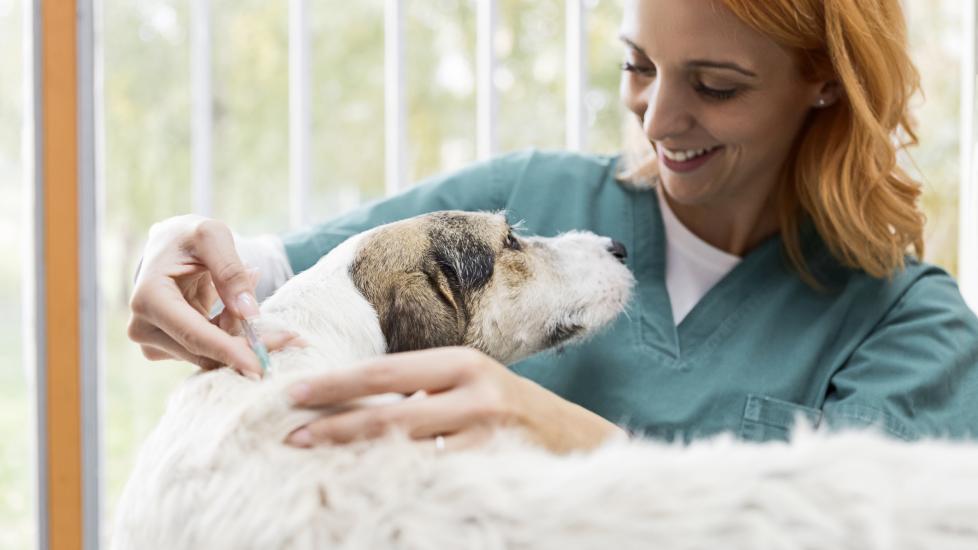
In This Article What Is the DHPP Vaccine for Dogs? View 6 More +

When shopping for doting pup parents this holiday season, there’s one sure-fire way to pick a great gift: get them something that celebrates their love for their four-legged friends. After all, dog people know what they like—and what they like are dogs. (Also, more dogs, please!) We’ve rounded up the best gifts for dog lovers and there’s something for everyone on this list, from home gadgets for the techie pet parent to relaxing reads for the book worm in your friend group.
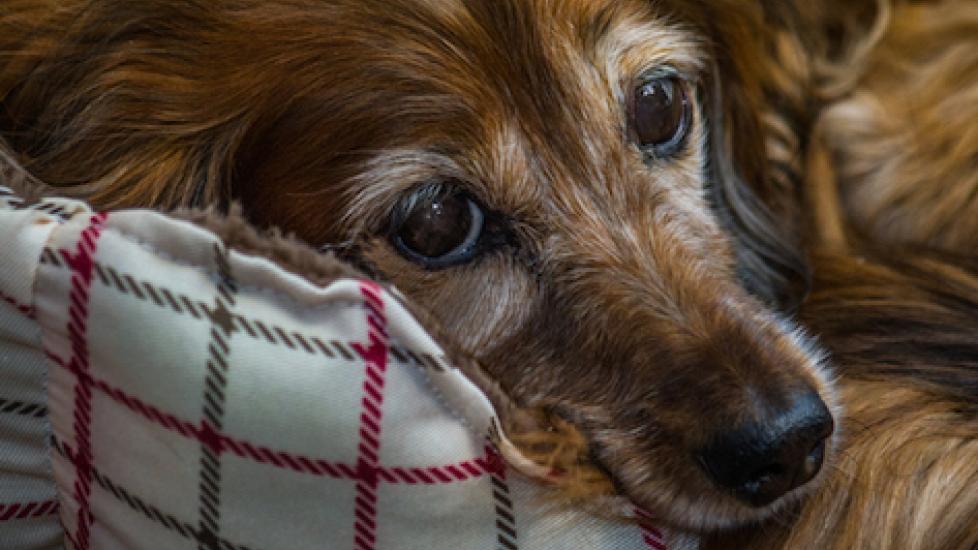
By Diana Bocco Aging can bring many changes to the life of a senior dog—and one of those changes is a decline in or loss of hearing. Deafness in senior dogs is often irreversible, unless caused by something like excessive buildup of waxy substances or ear infections that can be treated, according to Dr. Simon T. Kornberg, a board-certified veterinary neurologist who routinely diagnoses deaf dogs using electrodiagnostics (BAER) technology. While seeing your dog lose his hearing can be difficult and sad for many pet parents, there are ways to deal with it so your dog’s quality of life doesn’t suffer. Keep in mind that dogs can adapt to hearing loss better than humans. It often comes on gradually, so they have time to adapt their other senses to compensate. Signs of Hearing Loss in Dogs Hearing loss connected to aging is often subtle and many pet parents miss the early signs, which include things like not coming when called and lack of response sounds they used to respond to, such as doorbells, whistles, or TV sounds. “Other signs which I find are good indicators of hearing loss are dogs that are difficult to wake up, or startle easily when they are touched,” Kornberg says. Still, Kornberg points out that hearing loss can be difficult to assess in dogs until it is in the latter stages, as they tend to compensate so well. “Excessive barking or anxiety can be cues to hearing loss,” he says. “And excessive and deep sleeping and lack of usual alertness are also major indications.”
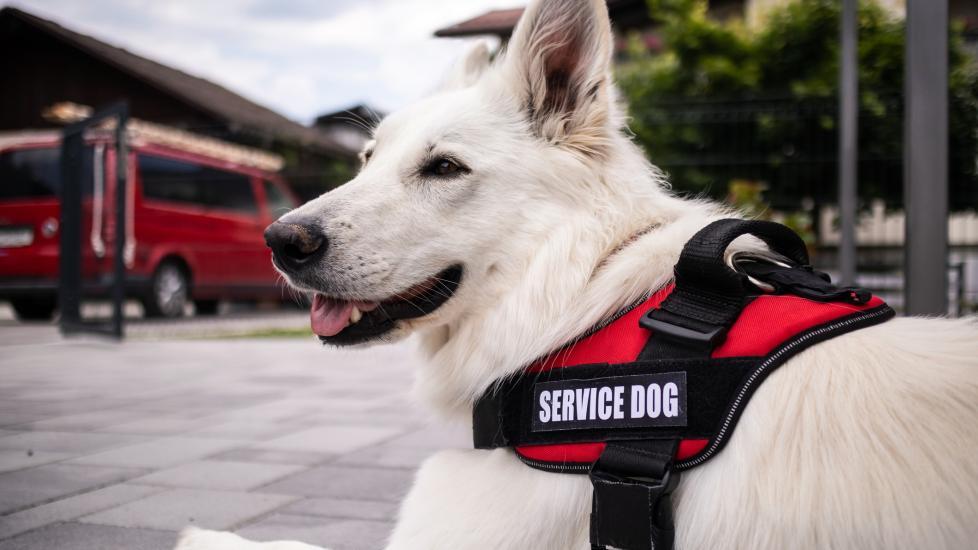
In This Article What Are Service Dogs? View 5 More +
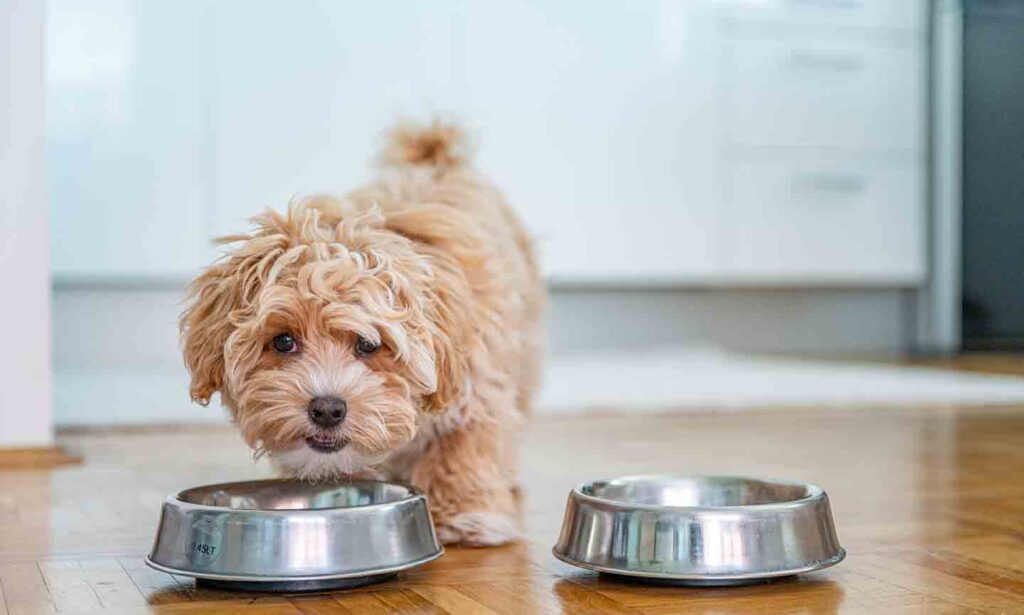
Food is food, right? Wrong. Human food does not necessarily equal healthy pet food, and not even pet food works for every type of pet. Just as dogs cannot eat foods like grapes, chocolate, and avocado, cat food is also considered not safe for dogs. Of course, it’s more complex than just a simple “no.” If your dog eats cat food one or two times, it is not that big of a deal; however, it becomes a cause for concern and significantly affects a dog’s health when they eat cat food over an extended period. Eating cat food can cause myriad health issues for a dog, including pancreatitis, obesity, and gastrointestinal upset, among others. Dr. Julie Buzby, DVM, who practices in Beaufort, SC, says, “It is not necessarily dangerous for a dog to eat cat food (unless the dog has specific dietary restrictions related to a health problem); however, it’s not ideal. Cat food is formulated for cats, and dog food is formulated for dogs. They are very different animals with different nutritional needs.” Dogs are omnivores, which means their stomach can tolerate both meat and plant-based food. Cats, on the other hand, are obligate carnivores, so their sensitive stomach can really only handle meat, and they literally require it to survive. This key difference in nutritional needs is why dogs, even an adult dog, really should not eat cat food. Dogs’ nutritional requirements require a more varied diet, and they need only 10 amino acids, whereas cats need an 11th: taurine. Taurine is crucial for cats’ health in many areas, including vision, heart function, digestion and an overall immunity. Cat food fulfills a cat’s unique nutritional needs, as it contains more meat-based protein, fat content and carbohydrates in addition to taurine. You may have heard that veterinarians sometimes will prescribe cat food to dogs, particularly in puppies who may need more protein in their diet. However, while that may be true, Dr. Buzby says it’s an outdated method. “Perhaps decades ago [feeding cat food to puppies] was common, but in 2023, veterinarians have at our fingertips a plethora of excellent dog foods to prescribe or recommend—even if it means ordering online,” Dr. Buzby explains. “Furthermore, we can connect our clients to a board-certified veterinary nutritionist who can custom-formulate a diet (based on a dog’s age/stage, palate preferences and bloodwork), which can be cooked at home.” If your dog (or your cat) is on a veterinary diet, you should take that into consideration as well while assessing the levity of the situation. “Veterinary diets are formulated for a specific species—cat or dog, not both—and special health conditions,” Dr. Buzby says, citing low-fat, easily digestible foods for dogs prone to pancreatitis as an example. “Obviously, it is much more concerning for a dog who is on a prescription diet to eat cat food than a healthy dog who has no dietary restrictions,” she says. It goes both ways, too, according to Dr. Buzby, who says that a cat eating dog food regularly is actually more harmful.,Jump to section Is Cat Food Bad for Dogs? 4 Ways Cat Food Is Bad for Dogs How To Keep Your Dog Away From Your Cat’s Food What To Do if Your Dog Eats Cat Food
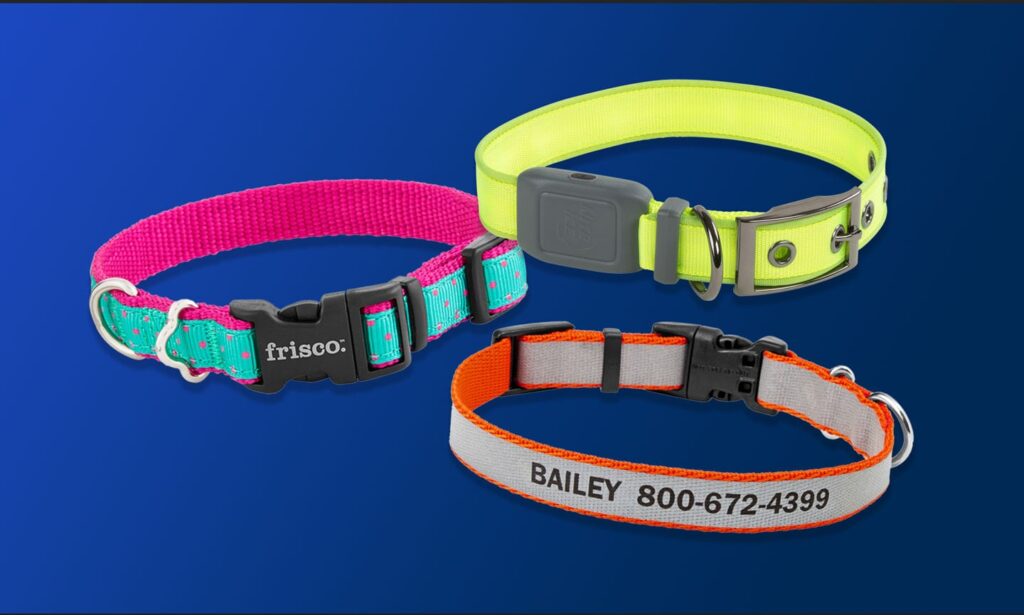
The humble dog collar. You might think it’s just a basic accessory, but dog collars serve many important purposes. Your dog’s collar holds your dog’s ID tag, which can help get them home should they run away. You can use it to attach your dog’s leash, providing a safe way to take them on their daily walks. It can even help your dog be seen better at night. Of course, it’s also a fashion statement—a way to express your and your dog’s unique personalities. Picking the best dog collar for your individual pooch can make all the difference in your daily lives. To help you choose the best dog collar, we spoke to certified dog trainer Irith Bloom, CPDT-KSA, and then assembled a group of trainers and editors to carefully review 21 of Chewy’s best-selling and best-rated dog collars, putting them to the test in real-world conditions with 10 dogs. During testing, collars were rated on the following criteria: fit, functionality, durability, ease of use, and attractiveness.
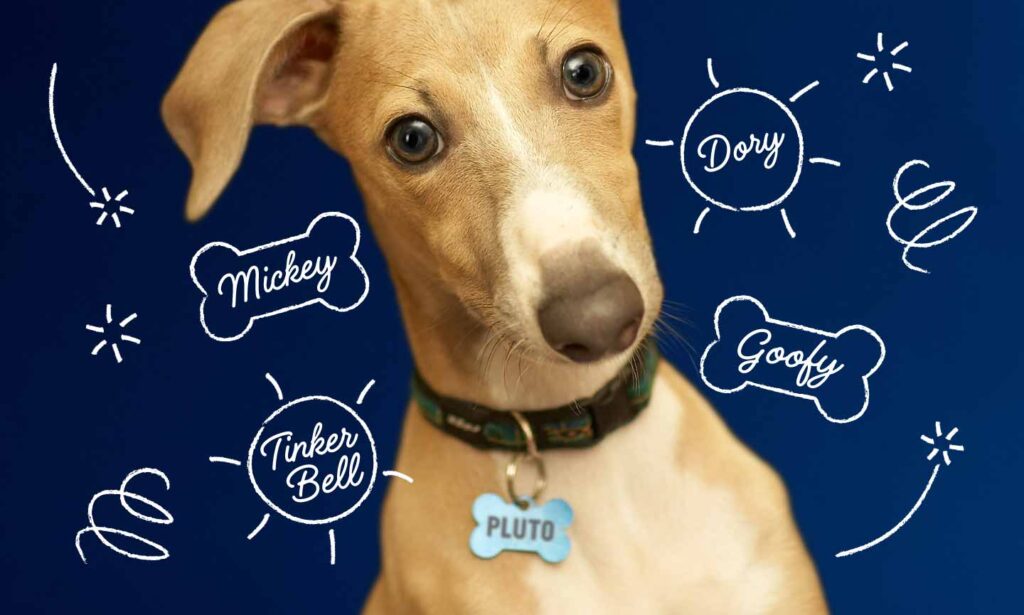
Most Popular Disney Dog Names Andy In the “Toy Story” series, Andy was the ultimate best friend to all the toys, making it a great name for your own bestie. Anita A girl Disney dog name shared by the human mom of the dogs in “101 Dalmatians.” Baloo This bear from “The Jungle Book” knows how to enjoy life with the “bear necessities.” Plus, he’s the life of the party! Bambi This sweet young deer gets by with a little help from his friends. It might be a good fit for a dog with a shy personality. Boo This cute little girl made a big impression on Mike and Sully in “Monsters, Inc.” Buddy Not only is this one of the most popular dog names in general, but it’s also the name of a Disney villain from “The Incredibles.” Buzz Buzz Lightyear’s saying, “To infinity and beyond!” is probably one of the most recognizable catchphrases from the movie “Toy Story.” Chip Aka half of the chipmunk duo Chip and Dale. They’re Rescue Rangers! Dopey He may be a little silly, but this dwarf from “Snow White” is as cute as a button—just like your new dog. Duchess This name can reference the white cat in “The Artistocats” or the sweet, helpful cow in “101 Dalmatians.” Dumbo After the baby elephant with oversized ears, it’s an adorable choice for your own big-eared dog. Ellie In one of Disney’s most heartstring-tugging moments, we meet Ellie as Carl’s late wife in the opening scenes of the movie “Up.” Eeyore This gray donkey from “Winnie the Pooh” needs constant cheering up. It might be a good name for a dog prone to pouting. Ferdinand In 2017, the story about a young bull in Spain who refuses to fight was reimagined by Disney in the movie by the same name. Jack Choose your fighter: Jack Sparrow from “Pirates of the Caribbean,” or Jack Skellington from “The Nightmare Before Christmas.” Jack-Jack If one Jack isn’t enough, Jack-Jack is the youngest child of the Incredibles. He has at least 17 superpowers, including laser vision and shapeshifting. Kenai A young Inuit who turns into a bear and learns about life from a four-legged perspective in “Brother Bear.” Lilo This sweet island girl befriends the weird blue alien in “Lilo & Stitch.” Mack He’s a big truck who transports other cars in the Disney/Pixar movie “Cars.” Marlin He may be a clown fish, but this father is only concerned about finding his lost son, Nemo, in the vastness of the ocean. Maui This name of an island in Hawaii is also the name of a fiery god voiced by Dwayne “The Rock” Johnson in Disney’s 2016 animated film “Moana.” Meeko He’s the sweet little racoon in “Pocahontas.” Mickey No list of Disney dog names would be complete without this one! He’s the one who started it all: Mickey Mouse. Minnie Perhaps the second most famous of all Disney dog names, female pups might go by Minnie. Mirabel A character from “Encanto,” Mirabel may not have been gifted with magic herself, but she steps up to help save her family’s magic when it starts to fade. Mowgli The protagonist in “The Jungle Book,” Mowgli was raised by wolves (and other jungle animals). Mushu He’s a pocket-size red dragon (and the voice of reason) in the animated Disney movie “Mulan.” Nemo If your dog has orange fur or tends to wander, the clownfish namesake of “Finding Nemo” is a clever pick. Pooh After Winnie-the-Pooh. A cute nickname would be calling your pup Pooh Bear. Tigger Spelled “T-I-double guh-er”—at least that’s how this striped tiger from “Winnie the Pooh” spells it. Toby He’s a Basset Hound who also solves crime in Disney’s “The Great Mouse Detective.” Tod A red fox who forms an unlikely friendship with a Bloodhound mix in “The Fox and the Hound.” Tramp If your pup is sweet yet tough, he might just have the true makings of Tramp, the stray mutt who befriends and protects Lady in “Lady and the Tramp.” Trigger A popular dog name on its own, this could also be a reference to one of the two villainous vultures in Disney’s 1973 animated film “Robin Hood.” Winnie Aka Winnie-the-Pooh, who spends his days looking for honey in the Hundred Acre Wood. Maybe your pup has a similar penchant for snacking! Woody This cowboy toy is one of the main protagonists of the “Toy Story” series, known for his loyalty to Andy.,Can you call yourself a true Disney fan if you haven’t named a pet after your favorite character? Whether you’re adopting your first dog or simply adding a new dog to your pack, there are plenty of Disney-inspired dog names to choose from. After all, Disney’s been making magic for over 100 years! We’re helping out our fellow Disney fans by collecting over 300 potential names in one magical place. Take a look—there’s sure to be a Disney dog name that fits your pup’s personality. Let’s start with some of the most popular Disney character names for dogs!

Humans spend about a third of our lives sleeping, which is why choosing the right mattress is such an important decision. Dogs sleep a lot too—12–20 hours, depending on their age—and purchasing a dog bed is an equally important decision. “We already know that good quality sleep is critical for human physical and mental well-being. The same goes for our dogs,” says Sarah Wooten, DVM, CVJ, a small animal veterinarian based in the Denver, Colorado, metro area. Dogs need quality sleep to restore and repair their bodies. Providing a supportive sleeping surface where your dog enjoys sleeping can make all the difference. “The quality of the bed can determine the quality of sleep and rest,” Dr. Wooten says. To help you find the best bed for your dog, we tested 25 of Chewy’s top-rated dog beds in real-world conditions. We rated each bed on the following attributes: function, durability, ease of cleaning, value, and style. The beds on this list are considered supportive, sturdy, stylish, and worth the spend.
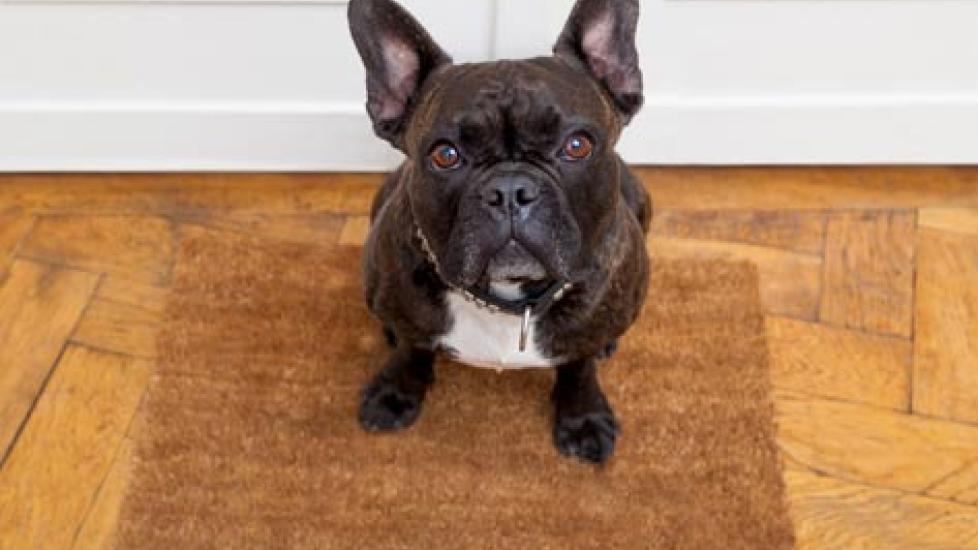
by Victoria Schade Have you ever asked your dog to do something simple—sit, for example—only to have him look at you as if you’re speaking another language? You know your dog knows how to do it; it was the very first thing you taught him! You ask him to do it several times a day, in fact, and he always complies. So, what gives when he doesn’t? How come it seems like your dog sometimes “forgets” his training? The first question you should ask yourself in situations where it seems like your dog is blowing you off is, “Did I teach my dog the full behavior, or just a very specific version of the behavior?” For example, let’s say that you taught your dog to stay before you put his dinner bowl down and he knows how to hold while you fill his bowl and walk it over to his dinner spot. Awesome! But do you ever ask your dog to stay in other situations? Meaning, can he hold a stay when you open the door to get a package? Or when your kids are chasing each other around the dinner table? Asking your dog to stay in those types of situations is vastly different than doing his rote “I do this then this happens” daily pre-dinner stay. It’s up to you to help him increase his stay “fluency.” To do so, imagine all of the different scenarios where you think it would be helpful for your dog to stay—beyond that dinnertime stay—and work towards achieving them as a team. Speaking of fluency, have you ever taken a language class? Initially your teacher walks you through the basics of grammar, then you move on to speaking simple sentences, and then eventually you and your classmates can have very basic conversations. You start to feel confident in your abilities. Now imagine that you and your class take a field trip to a market in the country you’re studying. Suddenly, everything you learned in the classroom no longer applies. Everyone is talking too fast, the accent sounds strange, and everyone is crowding you. It sounds like a frustrating and scary scenario, right? The exact same thing happens to our dogs when we take them out of the “classroom” and into the real world. Asking your dog to do a “sit” around your house is very easy for him because he’s comfortable and familiar with the environment. Asking your dog to sit at the vet office, however, is an entirely different experience. Just like the sights and sounds might overwhelm you in a foreign country and make you “forget” your burgeoning language skills, the same goes for your dog. The vet office is fraught for a dog. The smells, sounds and not-so-happy memories there are enough to override the basic training you’ve done together. It’s not a case of your dog being willfully disobedient when he “ignores” you in this type of scenario, it’s more likely that your dog is overcome by the surroundings. The same holds true in the dog park. There’s a lot to sniff and explore! Sometimes the environment trumps the trainer and your dog might “forget” to respond when you call him. An easy way to help your dog remember his manners is to make sure that his responses are close to perfect when in a familiar environment, like your yard. This is your important foundation training—don’t skip this step! Then you can practice at the park when it’s not prime-time and filled with other dogs. Visit the park in the early morning or in the evening when the environment is less distracting and practice the recalls using a very special, high value treat. Try to set your dog up for success by initially only calling him when he’s not fully engaged with another dog. Finally, look deeper when it seems like your dog is “forgetting” his training. I’ve worked with many dogs that are uncomfortable when they try to do a sit-stay on hardwood floors. It might seem like these dogs are blowing me off when I ask them to do it and they hesitate, but they’re actually trying to avoid slipping and sliding all over the place! (We opt for a down-stay instead.) Some dogs are superstitious about household equipment, so they don’t want to respond to a recall if you’re standing right next to the noisy fan. And sometimes pain might be a mitigating factor. An older dog might not want to do a down because it hurts him when he has to get back up. Simply observe your dog and consider all of the possible influences before you blame him for insubordination. Believe it or not, your dog is not trying to be willfully disrespectful when you ask him to do something and he “forgets” how. If you’ve done a good job with your dog’s basic training and he doesn’t respond to a cue when you ask, there are usually other factors at play that make it challenging for him. Figuring out the how and why behind the refusal will make life easier for both you and your dog. Victoria Schade is a professional dog trainer. Learn More: Image: Javier Brosch / Shutterstock Related Well Timed Rewards Matter for Puppies in Training Top 5 Puppy Training Tips Why Do We Need to Give Treats to Our Pets
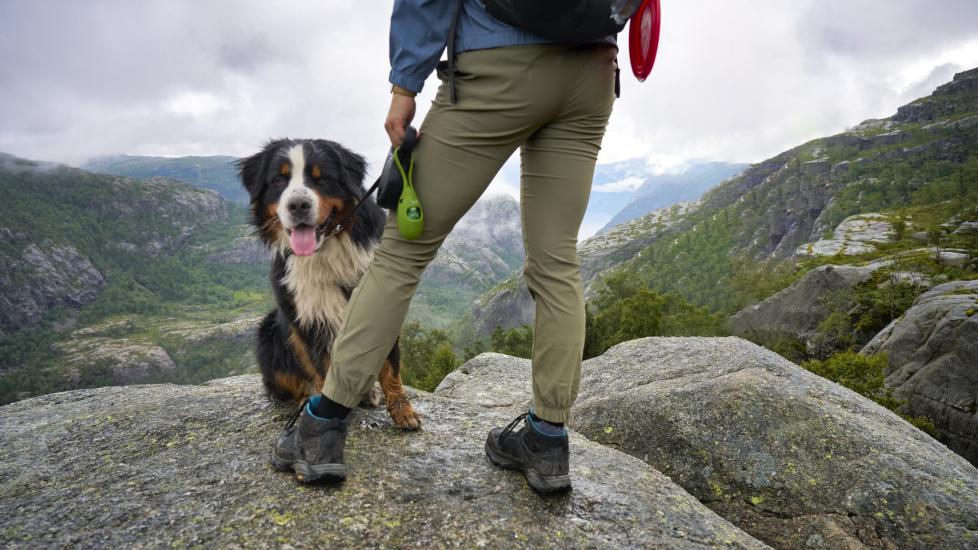
In This Article Before Your Hike View 2 More +

What Is a Horse Whisperer? Your Guide to Natural Horsemanship

The 5 Best Winter Dog Sports and Activities to Try With Your Pup