Dog Walking Tips: How To Walk Your Dog
In This Article What Not To Do When Walking With Dogs View 1 More +


Dogs

In This Article What Not To Do When Walking With Dogs View 1 More +
Ants Ants, especially fire ants, can cause a painful bite on a dog. The bite can look like a red, raised skin lesion and occasionally have a white center filled with pus, like a pimple. Applying an ice pack to the area can help reduce pain and swelling. If your dog was bitten by several fire ants, call your local veterinarian to ask if Benadryl should be given and at what dose. Ant bites, most often from fire ants, can occasionally cause an allergic reaction, especially if a dog gets bitten by several ants at once. Facial swelling, hives, difficulty breathing, itchiness, moderate to severe swelling at the site of the bite, and gastrointestinal symptoms such as vomiting and diarrhea are all possible symptoms of an allergic reaction. If these symptoms occur, this is a life-threatening emergency, contact your nearest animal hospital immediately. It can be difficult to prevent your dog from being bitten by ants as these small insects can be hard to see in the grass and wooded areas. Check your yard regularly for ant hills and treat them, if found. Keeping your dog on a leash when walking or hiking can help guide your dog around an ant hill if you come across one. If you find ants on your dog’s body, brush them off as quickly as possible or rinse them off with water, if available.,Biting Flies There are many biting flies that can leave a painful bite on a dog’s body, such as horse flies, deer flies, black flies, and sand flies. The bite can look like a red, raised lesion on the skin. Applying an ice pack to the area can help to reduce pain and swelling. Some dogs are allergic to these flies and can have an allergic reaction when bitten. Facial swelling, hives, difficulty breathing, itchiness, moderate-to-severe swelling at the site of the bite, and gastrointestinal symptoms including vomiting and diarrhea are indications of an allergic reaction. If your dog experiences any of these signs, contact your local veterinary hospital as this is considered a medical emergency.,Dogs can be bitten and stung by a variety of insects, so it’s important to know what the different insect bites look like on a dog. Not all insect bites need to be treated, but certain symptoms require immediate medical attention. Knowing how to protect your dog from these insects is also key to keeping your pet healthy. Fleas Fleas are tiny, dark brown insects that jump on a dog to feed on its blood. They are often carried in from outdoors, and once inside the house, they breed and multiply. Dogs will chew and scratch at their bodies when they are bitten by fleas due to the painful bite. The scratching and chewing can lead to self-trauma of the skin that causes scratches and sores to form. The bite of a flea can be difficult to see under a dog’s thick coat. Flea bites look like small, red spots on the skin, but sometimes it can be hard to tell their bite from the bite of another insect. If you see insect bites on your pup, or notice that your dog is chewing and scratching a lot, the first thing to look for are flea dirt and live fleas. Flea dirt consists of fecal material and dried blood and looks like tiny, black flecks on the skin. Fleas and flea dirt are most often found on the lower back, tail, and on the hind legs of dogs. Some dogs have an allergy to flea saliva, and one flea bite can lead to flea bite dermatitis. This skin condition causes intense itchiness all over, hair loss, and sores due to self-trauma. Bacterial and yeast infections can develop secondary to a flea allergy. The best way to prevent and treat fleas is with flea and tick prevention. There are many types of flea and tick preventions available, such as topical products, flea/tick collars, and oral medication. Talk with your local veterinarian to decide which flea and tick product is best for your dog, and make sure to administer it year-round to keep the fleas and ticks away.

5. French Bulldog Photo by Adobe Stock/Petro One of the most popular dog breeds, the French Bulldog, or “Frenchie,” is a laid-back, low-energy, and friendly dog. They can fit seamlessly into many different living situations. But when looking to bring home a Frenchie, potential pet parents need to be aware of the French Bulldog’s propensity for health issues and plan accordingly. Purchasing pet insurance is a good choice for this breed.,6. Golden Retriever Photo by Adobe Stock/SasaStock The Golden Retriever hails from Scotland and is well-suited for first-time pet parents. Prized for their friendly, loyalty, and trainable nature, this breed can live well with other dogs, smaller animals such as cats, and children. Their namesake medium-length coat benefits from regular grooming, and they thrive on moderate daily exercise to manage energy and prevent undesirable behaviors that may pop up with boredom.,Bringing home a new dog is always exciting. But pet parenthood can also be a bit overwhelming—especially for those bringing home a dog for the first time. While all dogs require socialization, training, grooming, exercise, and love, some breeds might be better suited for first-time pet parents than others. Always factor in your lifestyle when choosing a dog, including your: Activity level Budget Living situation (Do you live in an apartment, or have a big fenced-in yard?) Work situation (Are you away for long hours? Do you work from home?) Here are some of the best dog breeds for first-time pet parents.

Packed with vitamin A and soluble and insoluble fibers—which help support vision, heart health and digestion, respectively—this simple carrot recipe makes a delicious and nutritious dog treat or food topper. Place a handful of sliced carrots in a steamer basket over boiling water, cover, and in eight to 10 minutes mash ’em up. Done and done!,Comfort food dishes for dogs are not only warm, inviting and tasty (like those for humans), but they also feature ingredients that are good for them—like carrots and sweet potatoes. Plus, some pup-friendly comfort food recipes are so simple to make, they require just one ingredient. From hamburger casserole to silky-smooth bone broth to a pet-safe play on hot chocolate, here are some of our favorite comfort food recipes for dogs, starting with the easiest. Remember, pet parents looking to incorporate new foods in their dog’s diet should consult with their veterinarian beforehand.
In This Article What Is the AAFCO? View 9 More +
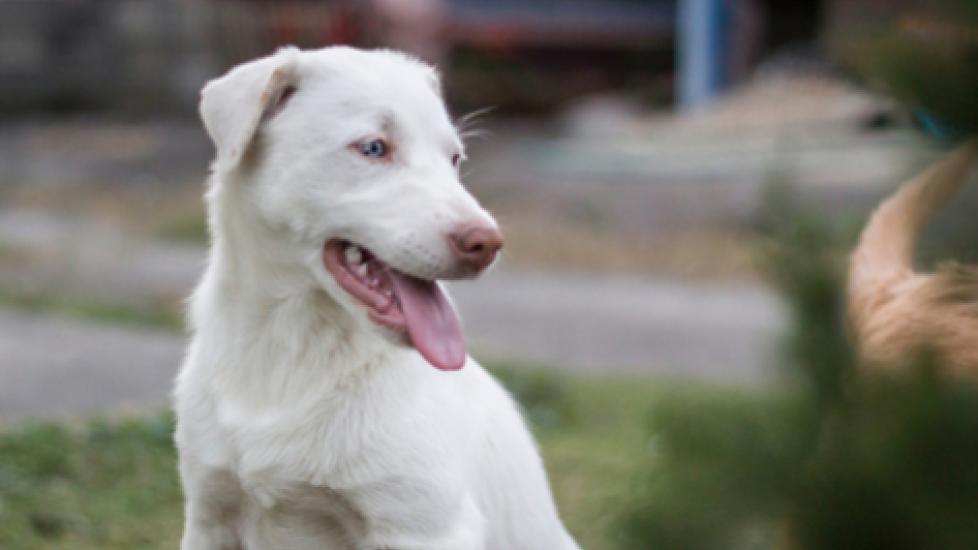
By John Plichter It’s no secret that man’s best friend comes in a variety of shapes and sizes, with assorted traits and features. Spots, coats, eye colors, and skin types all make dogs as unique as human beings. Considering the rarity, albinism in dogs is an especially curious case. Here are a few interesting facts you should know about albino dogs. They don’t actually have pink eyes While albinism presents itself as pink irises in albino rabbits and rodents, the same does not apply for dogs. Dr. Stephanie Pumphrey, assistant professor of veterinary ophthalmology at Tufts Cummings School of Veterinary Medicine, notes that the true telltale sign of an albino dog would be lack of pigment around their eyes. “Most dogs that are considered ‘albino’ have skin that appears pink around their eyes rather than pigmented skin, which can give the eyes a pinkish look,” Pumphrey says. While it is impossible to know whether a dog is a true albino without genetic testing, “most albino dogs will actually have blue eyes and pink noses.” Dogs with white coats and dark eyes or noses can sometimes be confused as albino, but unless they have pink noses and pink skin around their eyes, they are not albino, just white coated. They’re hard to come by There are very few true albino dogs. For a dog to be considered albino, he or she must lack the genes necessary to produce melanin, the pigment responsible for skin and hair coloring. There are other coat patterns that can be confused for alibinism, however, such as merle and piebald patterns. These coat patterns result in something similar to albino, and most often occur in Australian Shepherds, Great Danes, Dachshunds, and Collies, to name a few. “Merle patterning is inherited as a dominant trait, meaning that the dog only needs to receive a copy of the merle gene from one parent in order to have a merle coat,” Pumphrey notes. Albinism occurs more often when dogs have two copies of a recessive gene, she says, which will cause the characteristics of albinism.
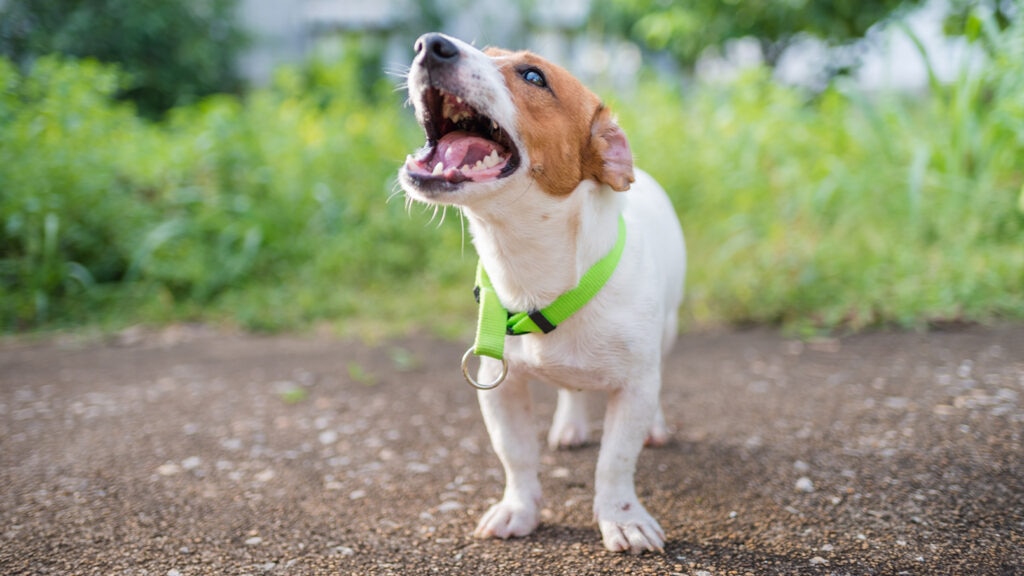
If your pup goes into full security guard mode every time the mail carrier shows up, you might be dealing with territorial aggression. While it’s normal for a dog to be alert when someone approaches their home turf, actual territorial aggression in dogs can cross the line, turning everyday encounters into stressful—and sometimes dangerous—situations. Understanding why this behavior happens is the first step toward addressing it safely. Here’s what territorial aggression looks like, what causes it, and what you can do about it.
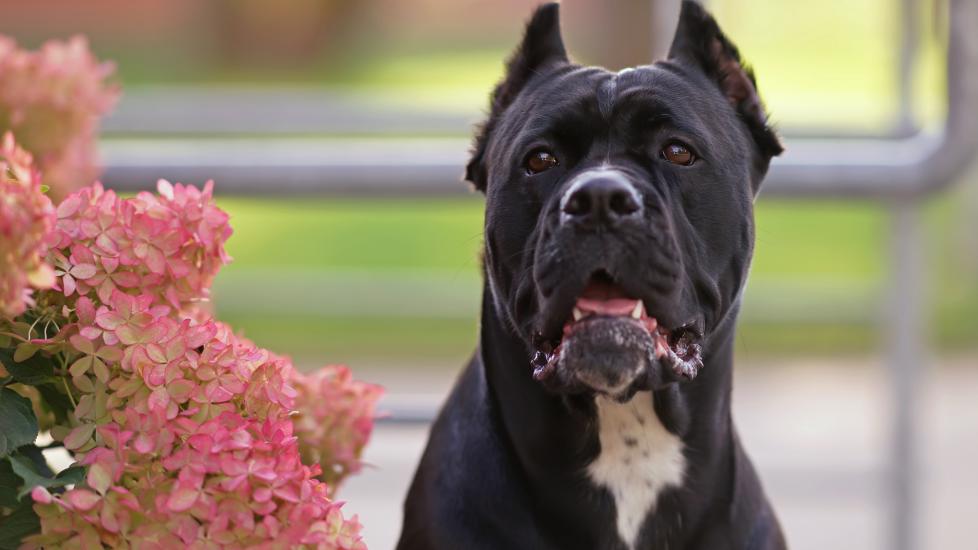
In This Article What Is Hydrangea Poisoning in Dogs? View 6 More +

As more pet owners jet off to new destinations with their dogs in tow, resorts have taken note and are upping the ante when it comes to pet-friendly amenities. From designer in-room beds to suites specifically tailored for pets, discover ten resorts across the country that provide pets and their owners with stellar dog-friendly amenities.

In This Article Are Essential Oils Safe for Dogs? View 6 More +

What Is a Horse Whisperer? Your Guide to Natural Horsemanship

The 5 Best Winter Dog Sports and Activities to Try With Your Pup