How to Care for Tube Anemones (Subclass Ceriantharia)
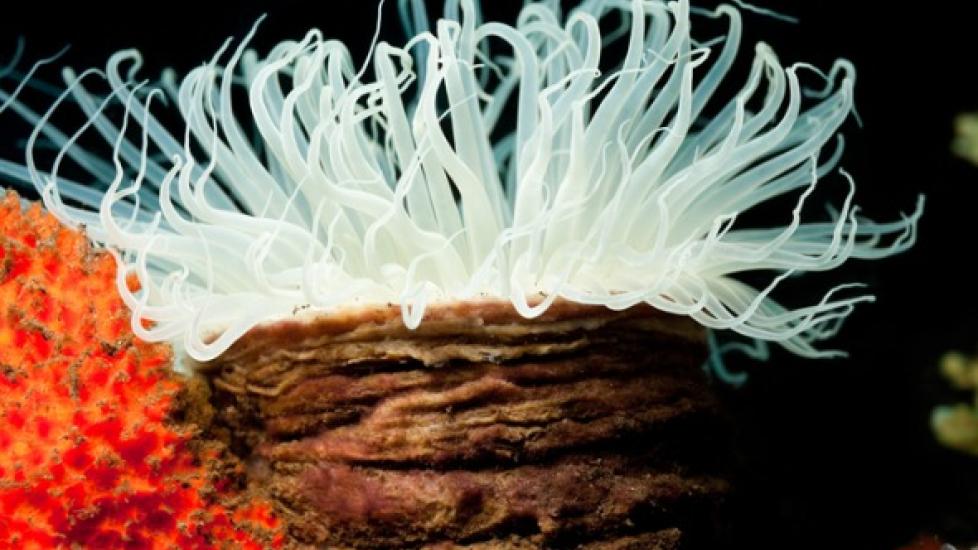
As reef aquarists progress in the hobby, their eyes and hearts are drawn to increasingly unusual animals. Indeed, after mastering the care of corals (no small feat in itself), one might find themselves looking for new challenges as well as novel species. Some species are not only desirable in their uniqueness but are also quite attractive. Among these, some are even relatively hardy and easy to care for. One such animal is the tube anemone. What Is a Tube Anemone? So, let us get one thing straight right from the start: Tube anemones are not anemones. Cerianthids do superficially resemble the distantly related “true” sea anemones (Order Actinaria). Although they also belong to the Hexacorallia, they are placed in the Order Ceriantharia. The order is made up of around 25 species in three families. Cerianthids are most different from sea anemones in that they lack a pedal disc (i.e., the adhesive foot). Instead, they possess a long, taproot-shaped foot that is capable of penetrating soft substrates. The foot is usually buried in mud, sand or gravel; however, in rarer cases, it can tunnel between rocks or in deep, rocky pits. The group’s common name comes from the protective tube that they build. The tube may be much longer than the animal itself. This slimy, stringy duct is made from mucus and specialized cnidae threads (i.e., ptychocysts). Other materials such as sand can become embedded in and become part of the tube. The inside surface of the tube is rather smooth and slippery, easing movement of the creature within. The tentacular crown emerges from the top end of the tube. When threatened, the animal can immediately slip away from harm into the safety of the subsurface tube. Tube anemones can be very brightly colored. Colors are highly variable (sometimes even within a given species). Exceptionally beautiful fluorescent greens, purples and oranges are common in aquarium import specimens.