Colic in Horses: Signs, Treatment, and Prevention
In This Article Summary View 7 More +


Horse
In This Article Summary View 7 More +
In This Article What Is a Horse Body Condition Score? View 4 More +
Dr. Chelsea Fishenfeld, aka “Dr. Fish,” DVM, veterinarian at Loomis Basin Equine Medical Group and Equine Medical Associates in Lake Forest, California, says the first step in being able to help your steed is knowing what to look for. Common equine allergy symptoms can include: Hives (urticaria) Heaves (shortness of breath, increased respiratory effort, chronic cough, exercise intolerance) Nasal discharge with a milky consistency Swollen eyelid(s) Conjunctivitis (eye inflammation) Watery eyes Swollen sheath Swelling under the abdomen Itching (pruritus), leading to scratching on stall or other objects Hair loss Dermatitis (skin inflammation) While these signs usually indicate an allergy, Dr. Fish says that sometimes they are linked to other conditions: Swelling: Some horses on pasture can develop an increased inflammatory response in their parotid gland, known as grass glands or “parotiditis,” which is sometimes mistaken for a swollen face or allergic reaction, Dr. Fish says. The two conditions are treated similarly. Increased respiration: Increased respiration can be a sign of pain in horses. A vet can identify this sign through a physical exam and then treat the horse accordingly. Nasal discharge: Infectious agents, tooth root abscesses and foreign bodies can cause a runny nose or nasal discharge. This can be mistaken for allergies and requires further diagnostics and stall-side testing. Eye issues: Excessive tearing and rubbing can be indicative of eye issues such as uveitis (eye inflammation). An ophthalmic exam can identify the condition. Rubbing of the tail: This behavior can sometimes be due to a pinworm infestation. Dr. Fish recommends that horses be on a regular deworming and parasite control program. Swollen sheath: The sheath refers to the covering of skin and tissue that surrounds the penis in male horses. A swollen sheath can occur for various reasons. To determine the underlying cause, a blood panel must be performed, as well as an assessment of organ function and electrolytes, particularly in older horses. Consult your veterinarian to pinpoint the cause of your horse’s symptoms. Less common signs of allergies in horses include: Chronic colic (accompanied by weight loss) Chronic loose manure (diarrhea) Lacerations due to excessive scratching in response to itching Corneal ulcers due to scratching or rubbing of the eyes in response to itching Absolute eosinophilia (high white blood cell count) on routine lab work in context of other history or physical exam findings With severe allergic reactions, there’s a rare risk of anaphylaxis, which can be life-threatening and requires immediate vet care. Dr. Fish says it’s imperative to have your vet evaluate your horse or provide further guidance in deciding necessary treatment.,Jump to section Symptoms of Allergies in Horses Common Causes of Allergies in Horses Treatment for Allergies in Horses Equine Allergy Prevention
In This Article How Anatomy Affects Horse Speed View 4 More +

In This Article Overview View 8 More +
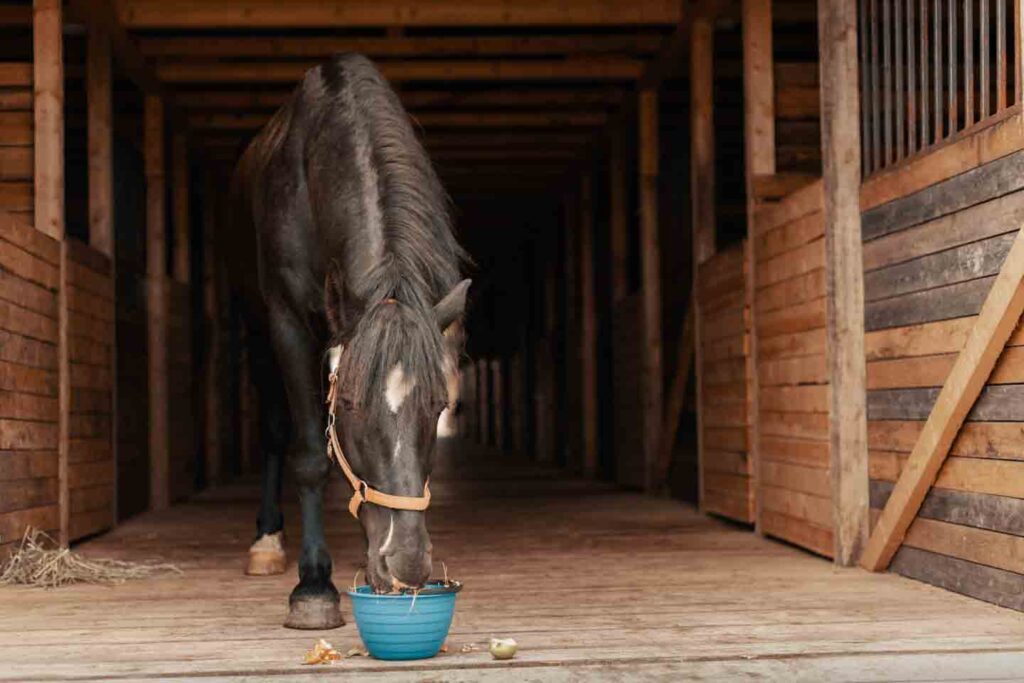
Horses are herbivores, and the most prominent feature of their equine digestive tract is a huge hindgut, or large intestine. A horse’s hindgut can be up to 30 feet long—the length of a school bus! Horses use their hindgut to ferment the volatile fatty acids (VFAs) in their food—that’s how they extract energy from forages like grass and hay. Horses also don’t have a gallbladder, which means their stomach constantly secretes bile (digestive fluid). If there isn’t food to break down, the bile will start attacking the stomach lining itself. Both the hindgut fermentation and constant bile production mean horses need to eat small amounts of roughage throughout the day to keep their gut happy and healthy and to meet their nutritional needs.,Jump to section How Does a Horse’s Digestive System Work? What Nutrients Do Horses Need? What’s the Difference Between Horse Feeds? How Much Do You Feed a Horse? How Often Do You Feed a Horse? What Supplements Should You Give to Your Horse? What Are the Signs of Nutritional Deficiencies in Horses? What Should You Not Feed a Horse? Horse Feeding Equipment Checklist FAQs About Horse Feeding
In This Article Summary View 6 More +
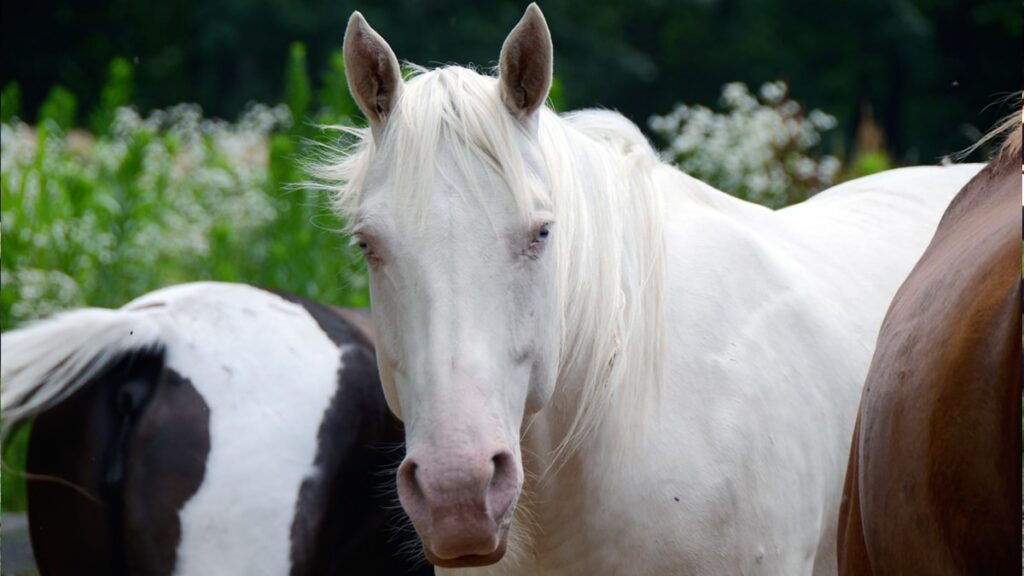
Between their neighs and whinnies, pinned ears and nickers, sometimes it seems like horses have their own language. As you get get to know horse breeds, horse colors and general horse terminology, you will realize it really is its own language. Check out our beginner’s guide to horse terms below to start speaking like an equestrian in no time!
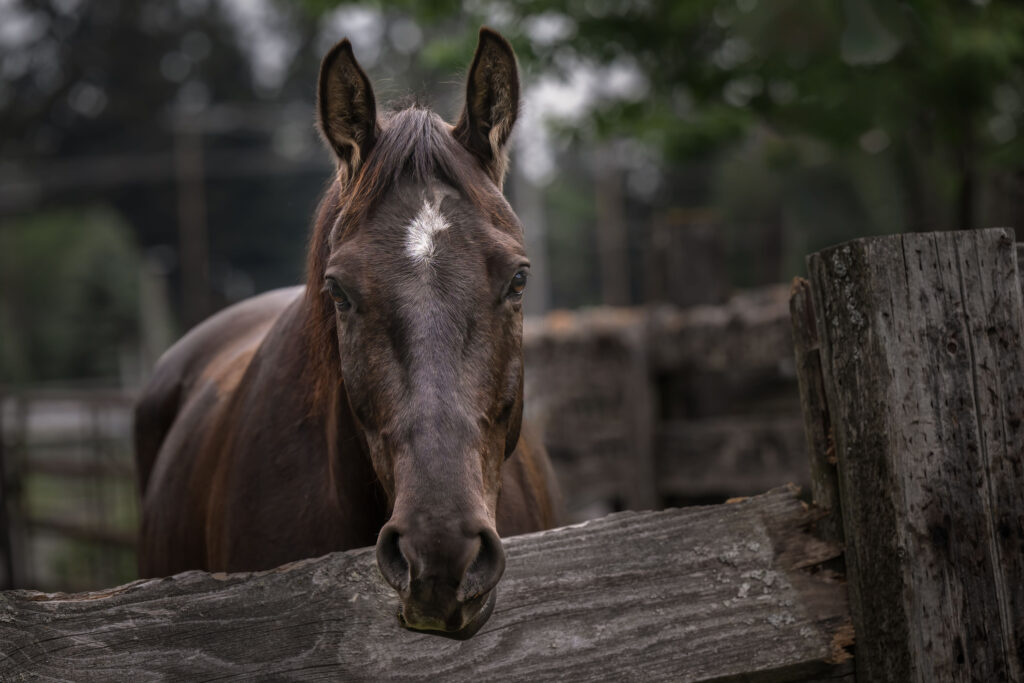
Snort Snorting—a short, sharp noise produced by forcefully exhaling through the nostrils—might sound like a horse clearing dust from their nose. Surprisingly, snorts may be associated with well-being in horses. One study found that horses snort more often when they experience lower levels of stress. Blow A horse “blows” by raising their head, flaring their nostrils widely, and exhaling with great force. Horses may blow loudly to scare off potential predators, or when expelling pent-up energy after a period of confinement. Groan Horses can make noises that sound very much like human groans and grunts. It’s normal for sleeping horses to occasionally groan. Some horses also groan when they are enjoying a good scratch, from either a human or a horse friend. Prolonged groaning, or groaning only when a certain area of the body is touched, may be signs of pain. If groans are accompanied by signs of colic, contact your veterinarian.,From a loud neigh to a soft sigh, horse sounds convey a wide range of emotions. Equines use body language as their primary means of communication, but horses also make many sounds. Knowing how to interpret various sounds that horses make can help you understand your own horse’s needs.
What Is a Horse Whisperer? Your Guide to Natural Horsemanship

The 5 Best Winter Dog Sports and Activities to Try With Your Pup