Degenerative Suspensory Ligament Desmitis (DSLD) in Horses
In This Article Summary View 6 More +


Horse
In This Article Summary View 6 More +
In This Article Summary View 6 More +
In This Article Summary View 4 More +
In This Article Summary View 6 More +
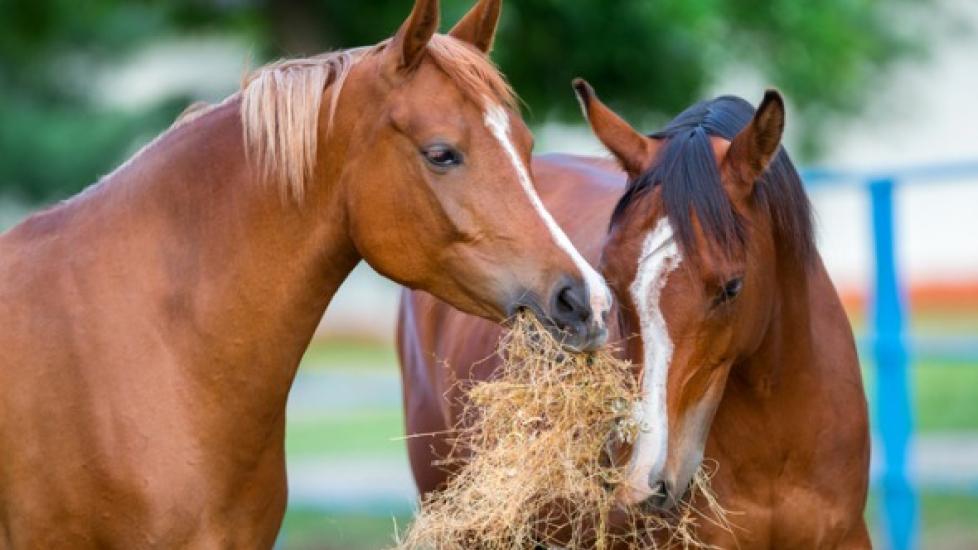
For horse owners who don’t have their own hay fields, the process of growing, cutting, drying and baling hay can be a bit mysterious. It can go wrong in a number of ways. If hay is harvested at the wrong time, nutrient loss and mold become more likely. Poisonous plants and pests can also end up in the hay, increasing the chance of having a sick horse on your hands. Considering how sensitive horses are, it’s wise to source your hay from a responsible and reliable vendor. In addition, you need to check each bale you offer your horse. A quick quality inspection at feed-time could save you a huge headache in the future. Mold is one of the most common hay hazards, but fortunately, you can protect your horse from both mold spores and the toxins (mycotoxins) that some molds produce. Why Is Moldy Hay Dangerous? Moldy hay frequently causes respiratory problems in horses. Recurrent airway obstruction, commonly known as heaves, is a lung disease that compromises a horse’s ability to breathe. It is similar to asthma in humans and is a chronic condition that can only be managed, not cured. Potential signs of heaves include: Coughing Nasal discharge Increased respiratory rate Labored breathing The presence of a “heave line” caused by abdominal muscles enlarging to help with breathing Mycotoxins can also cause digestive problems such as colic, diarrhea and weight loss. A weakened immune system and lack of nutrient absorption also make the horse more susceptible to a range of health issues. Organ damage can occur, including liver and kidney failure. Depending on the severity of the reaction, the toxins can lead to death. Reproductive issues are another consequence of eating moldy hay. Mares may have unexpected abortions, stillbirths or produce a foal with congenital defects.

The Gelderland, or Gelderlander, is a heavy warmblood breed of horse that was developed in the Netherlands province of Gelderland. An ancient breed, they are typically used as riding, competition, or harness horses. Physical Characteristics The Gelderland stands between 15 and 17 hands tall and is typically chestnut in color, although grey, bay, and black are commonly seen. Many have distinctive markings on the forehead or legs. The Gelderland has an elongated head and sometimes convex neck; meanwhile, the withers, which are slightly broad, connect with the shoulders at a slight angle, though still in proportion with the neck and wide chest. The Gelderland also has strong legs, supple joints, and tough, well-formed hooves. The breed has a fluidity in motion, with elegant high-stepping action at the trot.
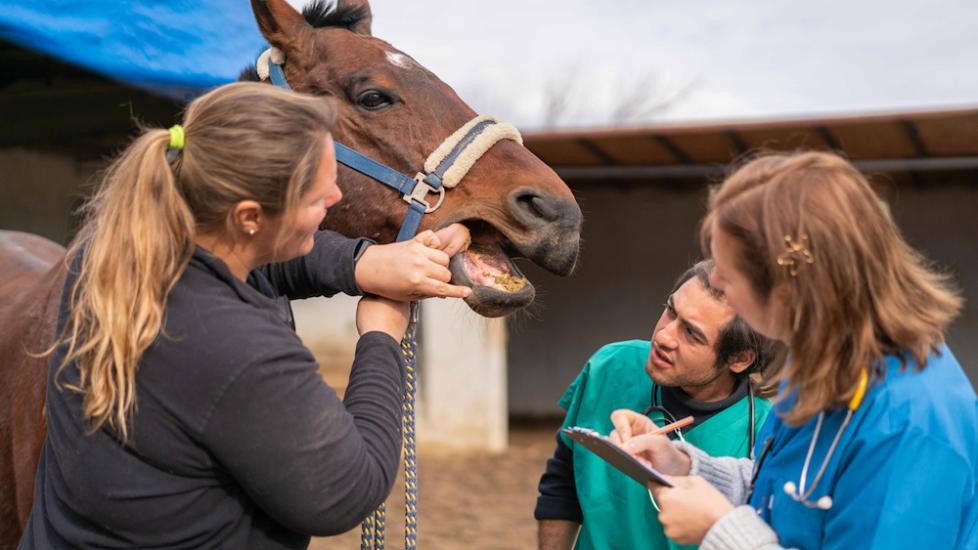
In This Article What Are Wolf Teeth in Horses? View 3 More +

In This Article Summary View 6 More +
In This Article Summary View 6 More +

What Is a Horse Whisperer? Your Guide to Natural Horsemanship

The 5 Best Winter Dog Sports and Activities to Try With Your Pup