Holsteiner Horse
In This Article Overview View 8 More +


Horse
In This Article Overview View 8 More +
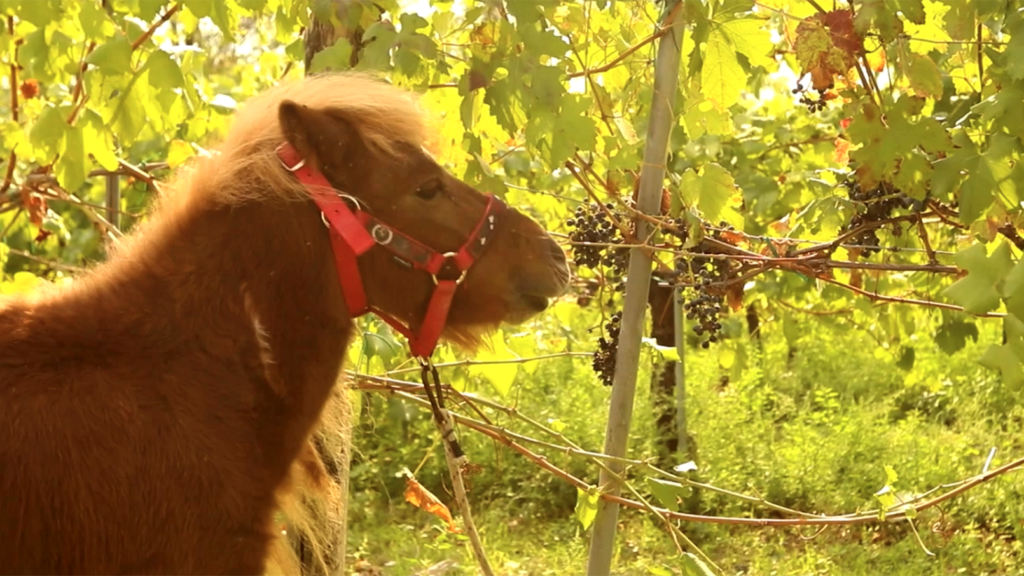
Most horses can safely eat small amounts of grapes as an occasional treat. “A few grapes won’t harm a horse, but they are sugary and could be a problem for horses sensitive to sugar,” says Merle DerVartanian, DVM, of Conejo Valley Equine in Thousand Oaks, California. The best way to feed grapes to horses is by offering fresh, washed grapes cut into small pieces. Processed grape products, like jelly, juice, and raisins, generally contain added sugar and are a less healthful choice for horses than fresh grapes. ,A handful of cold grapes makes a tasty, antioxidant-packed snack after a riding lesson, especially in the summer heat. But can horses eat grapes too? The short answer is yes, in moderation—but fruits should only be fed as treats, never as a primary component of a horse’s diet or as a replacement for forage. Before introducing any new food into your horse’s diet, always check with your veterinarian.
In This Article Summary View 6 More +
In This Article Overview View 6 More +
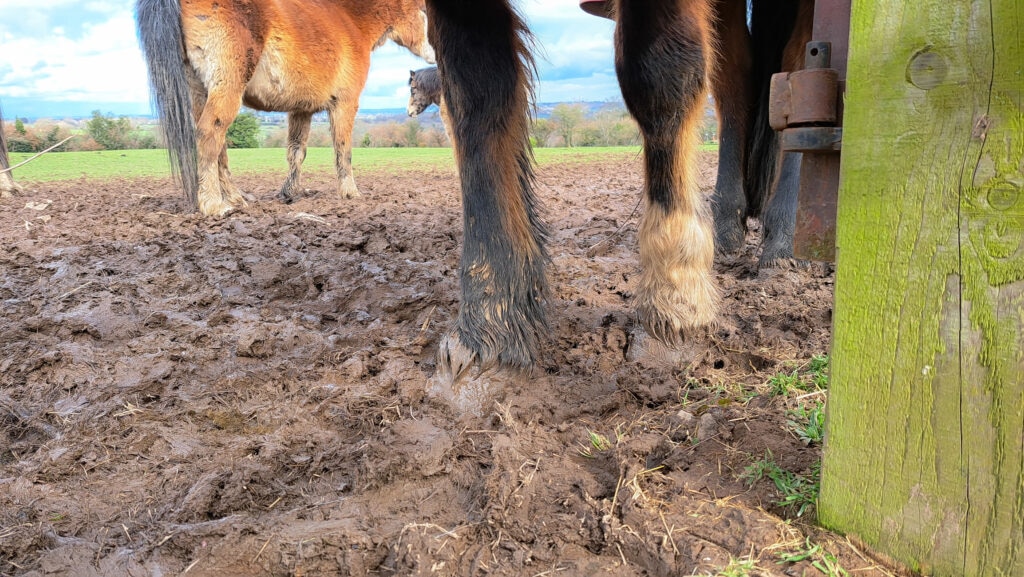
If you’ve ever slogged through a muddy pasture to bring in your horse, only to find the deep mud suddenly sucking your boot off your foot, then you know how tricky navigating mud can be. Horses and mud don’t mix well, and more than just an inconvenience, mud can cause serious horse health issues and injuries. Horse mud management may not be easy, but it’s a necessary part of keeping your barn safe for both horses and humans.

In This Article Summary View 3 More +
In This Article FAQs
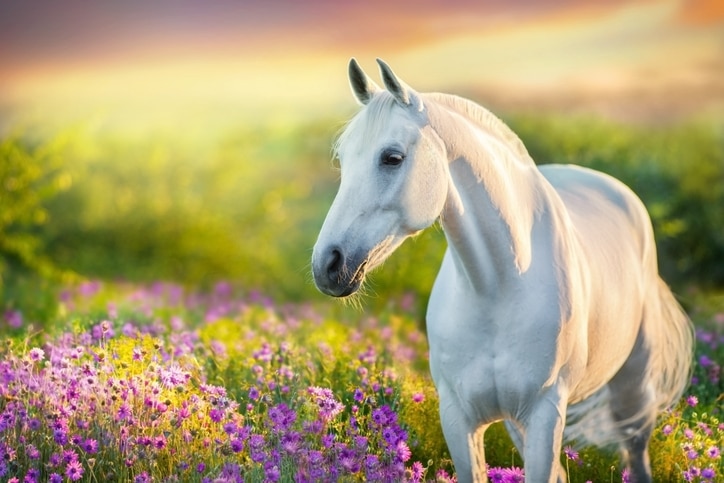
Whether you’re preparing for competition or simply practicing good horse care, the right horse shampoo, horse conditioner, and horse detangler make the job easier. This guide will help you pick the best hair care products for your horse.
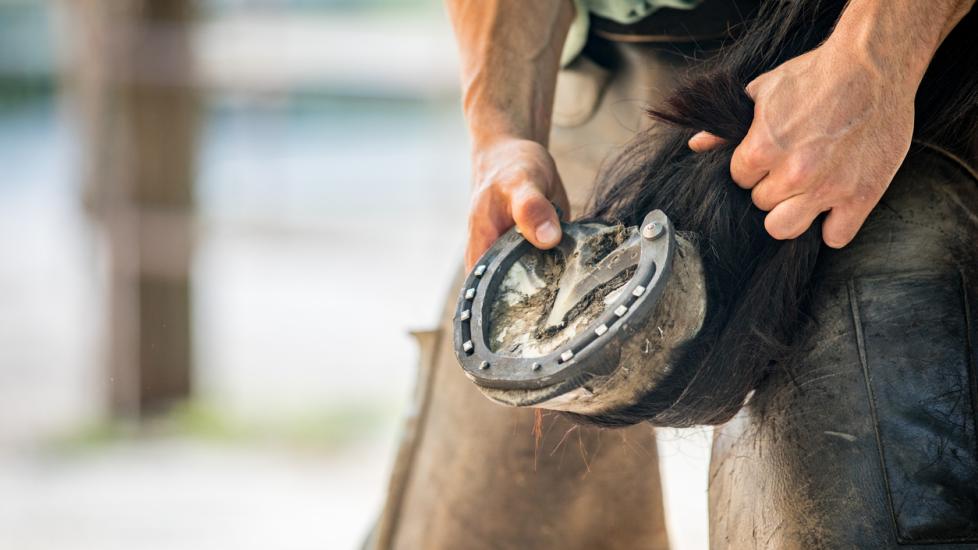
In This Article Why Do Horses Have Horseshoes? View 4 More +
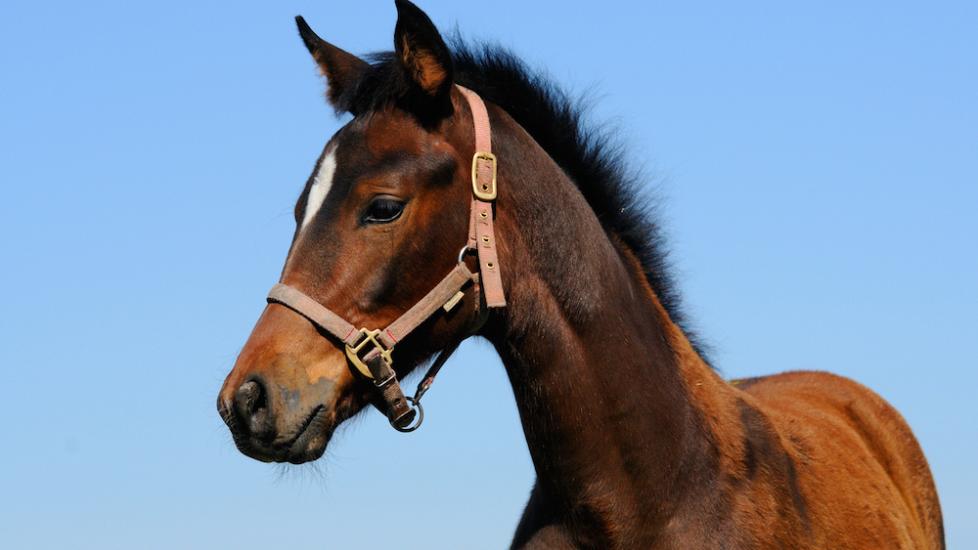
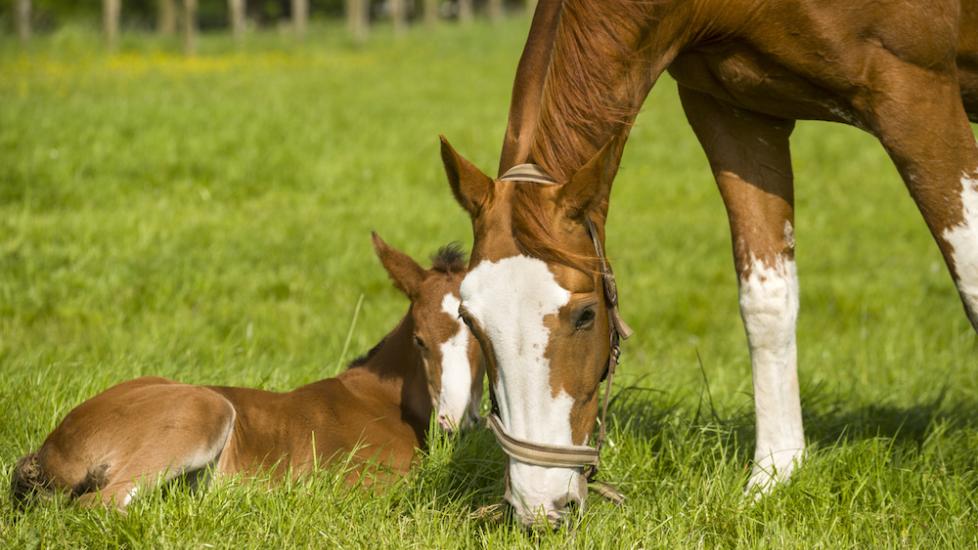
When to Start Training a Foal The birth of a foal is an exciting time for any horse owner. Whether your horse is born on a breeding farm or in your backyard, training a foal is a gradual process that starts as soon as the foal is born. The following is a general timeline for training foals: Handling Foals should be handled gently and regularly from the first day of life. This will help to develop a trusting relationship between the foal and handler. While the first few days are crucial in the mare/foal relationship, getting both horses used to you being involved and touching the foal will decrease stress down the road. Short interactive sessions can gradually increase over time, and should include lots of petting and making sure the foal becomes comfortable having hands on them including the belly, ears, feet, and hind end. This will make them more at ease for later skills such as haltering, tacking, and other daily practices. As they get used to being touched, gradually work on picking their feet up, as this will be a practical skill to make life easier for farriers and veterinary care. As foals age, some can become a bit mouthy, or start to nip at you as a sign of play or affection. While this may seem “cute,” especially in mini or pony foals, this can predispose them to potentially dangerous behaviors if allowed to continue, so this behavior should be nipped in the bud early on. Socialization The foal should be allowed to interact with other horses as soon as possible. This will help to develop social skills and reduce the risk of aggression towards other horses later in life. After your mare and foal adjust to their new life together, it is common practice to turn small groups of mares and foals out together, if all the mares are gentle and non-aggressive. This helps promote socialization for the youngsters, and adequate exercise. Weaning Foals are typically weaned between 4-6 months of age. This is a gradual process that involves separating the foal from the mare for increasingly longer periods of time until the foal is fully weaned. Sometimes a mare will wean a foal on their own, other times this must be enforced by the handler. There are two major approaches to weaning: one which involves separation when the foal and mare can still see and hear each other, and perhaps touch nose to nose; the other involves separating them by a much larger distance where they cannot see or hear each other. Both methods have certain advantages as well as cautions; discuss with your veterinarian which route may be best for your mare and foal based on their health and temperaments.

What Is a Horse Whisperer? Your Guide to Natural Horsemanship

The 5 Best Winter Dog Sports and Activities to Try With Your Pup