Warts in Horses
In This Article Summary View 6 More +


Horse
In This Article Summary View 6 More +
Prevention There really is no way to prevent bone fractures in horses, since they are usually caused by undue stress on a certain area, or an accidental injury. However, paying close attention to your horse (and any symptoms listed above) can help in identifying the fracture and treating it before it becomes too severe.,References Featured Image: iStock.com/sergio_kumer,Fractures in Horses Treating fractures in horses used to be quite difficult, and for that reason most afflicted horses were euthanized. Fortunately, as time has progressed so has technology, making it easier to treat these types of cases. Symptoms and Types The symptoms of a fracture are dependent on the area of the fracture; among them: Severe pain in or around the fracture Swelling in the affected area Strange posturing Lifting the affected leg off the ground Strange angle of affected leg Failure to place weight on affected leg or an uneven weight distribution
In This Article Summary View 6 More +
In This Article Summary View 6 More +

In This Article Summary View 7 More +
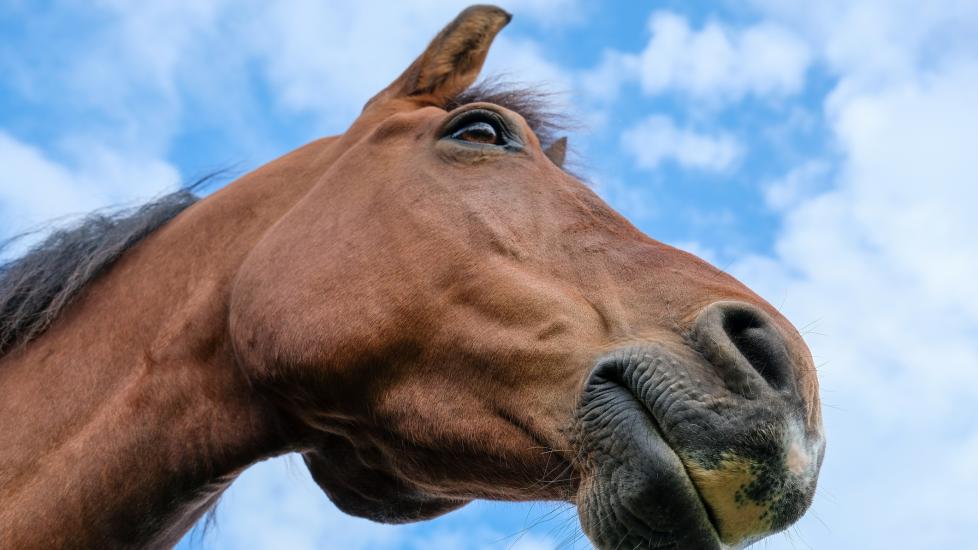
In This Article Does My Horse Need a Calming Supplement? View 3 More +

In This Article Summary View 7 More +
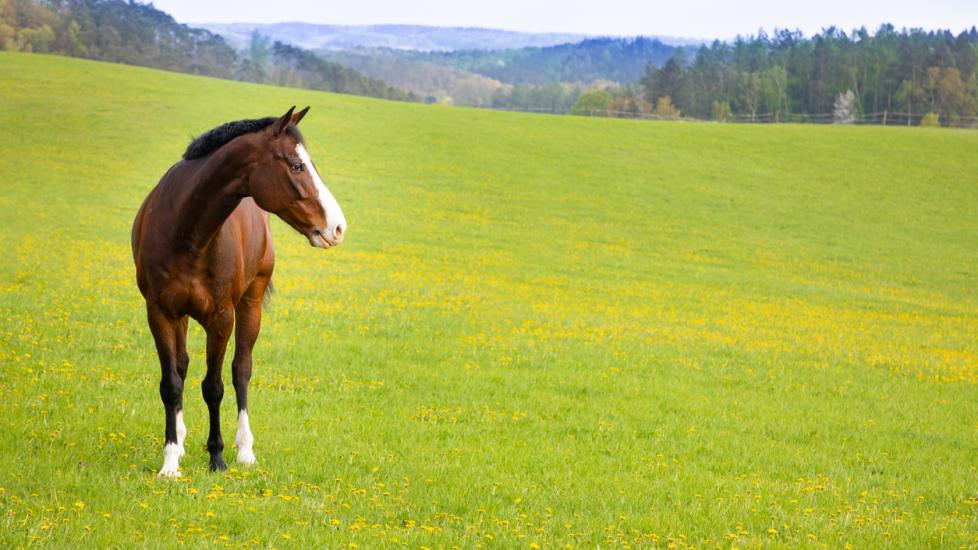
In This Article Summary View 7 More +
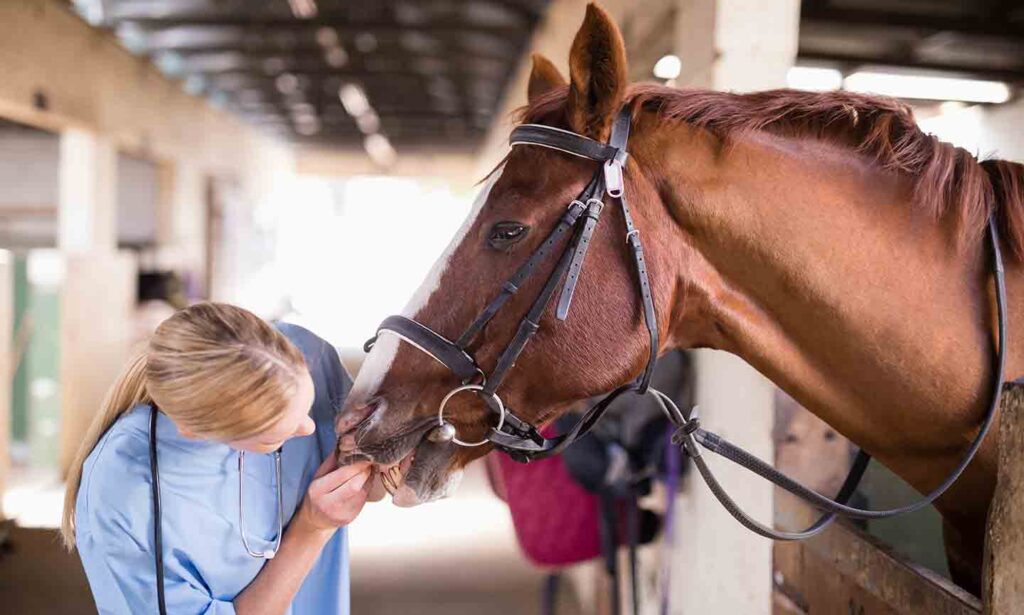
How many teeth horses have depends on what kind of teeth you’re talking about. Just like humans, horses grow and shed a full set of deciduous teeth, aka baby teeth or “milk teeth,” before their permanent (adult) teeth come in. Each has a different quantity: Deciduous teeth: 24 Adult teeth: 36 to 44 The first deciduous incisors can either erupt in utero—before the foal is born—or appear within the first weeks of life. The rest of the foal’s 24 baby teeth—12 incisors and 12 premolars—come in over the first nine months of life. They start shedding and being replaced by permanent adult teeth at about 2½ years old, a process that takes about two-and-a-half years itself. Most horses have their full set of adult teeth by age 5. A gelding (castrated male horse) or stallion (intact male horse) normally has 40-44 permanent teeth. A mare’s dentition ranges from 36 to 40 teeth. What’s the four-tooth difference? Mares are less likely than their male counterparts to develop canine teeth. “The maximum number of teeth an adult horse can have is 44 if they develop all four canines plus two wolf teeth,” says Dr. Jessica Martin, DVM, cIVCA, associate veterinarian at Mountain Pointe Equine Veterinary Services in Long Valley, New Jersey. (We dig into the different types of horse teeth below.),Jump to section How Many Teeth Do Horses Have? Types of Horse Teeth How Horses Use Their Teeth Can You Tell a Horse’s Age By Their Teeth? Common Horse Dental Problems Signs of Dental Problems in Horses Routine Horse Dental Care FAQs about Horse Teeth
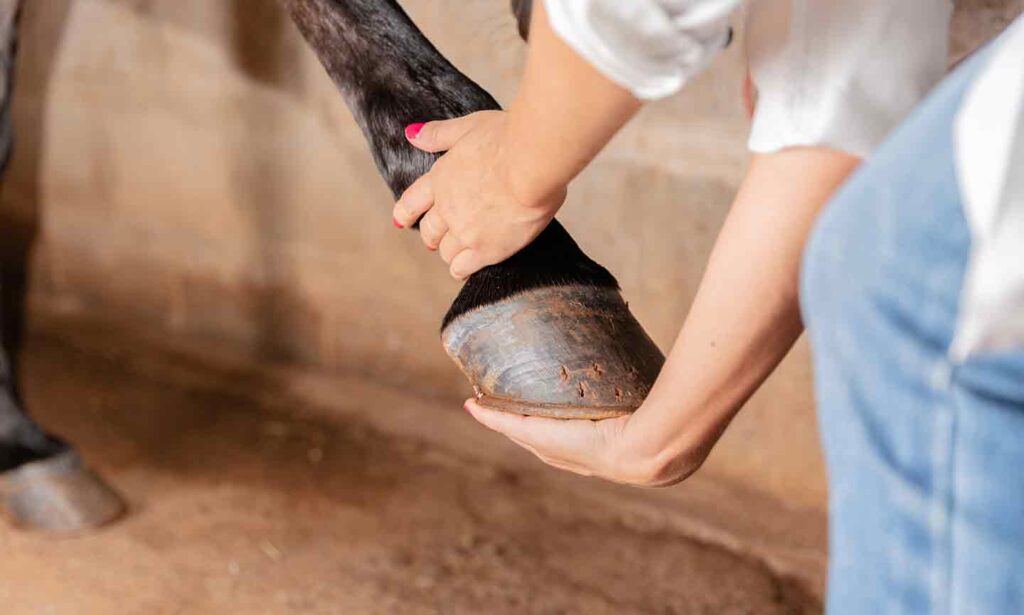
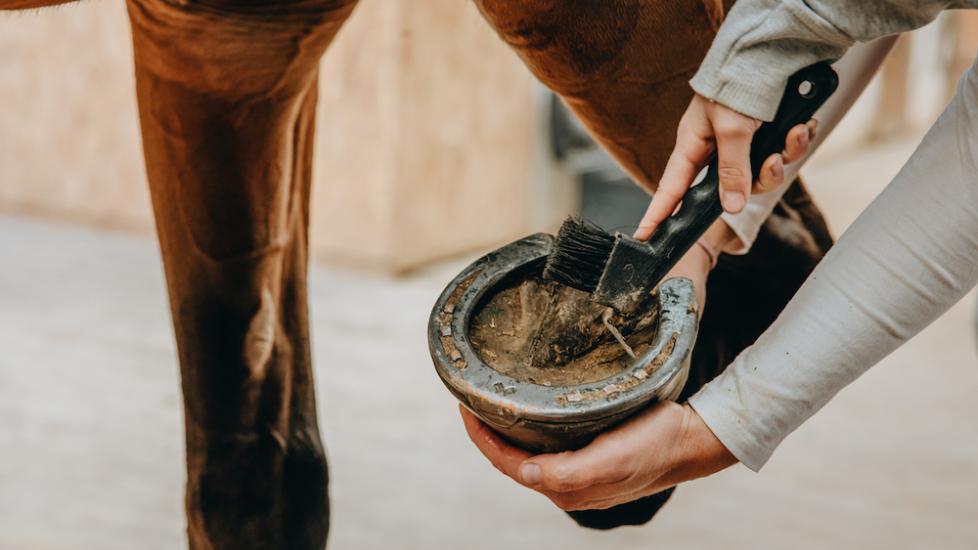
A horse’s hoof, or outer hoof capsule, can be split into seven distinct structures:,Jump to section Horse Hoof Anatomy Common Health Issues That Affect Horse Hooves Caring for Your Horse’s Hooves FAQs About Horses’ Hooves

What Is a Horse Whisperer? Your Guide to Natural Horsemanship

The 5 Best Winter Dog Sports and Activities to Try With Your Pup