Weight Loss in Horses
In This Article Summary View 5 More +


Horse
In This Article Summary View 5 More +
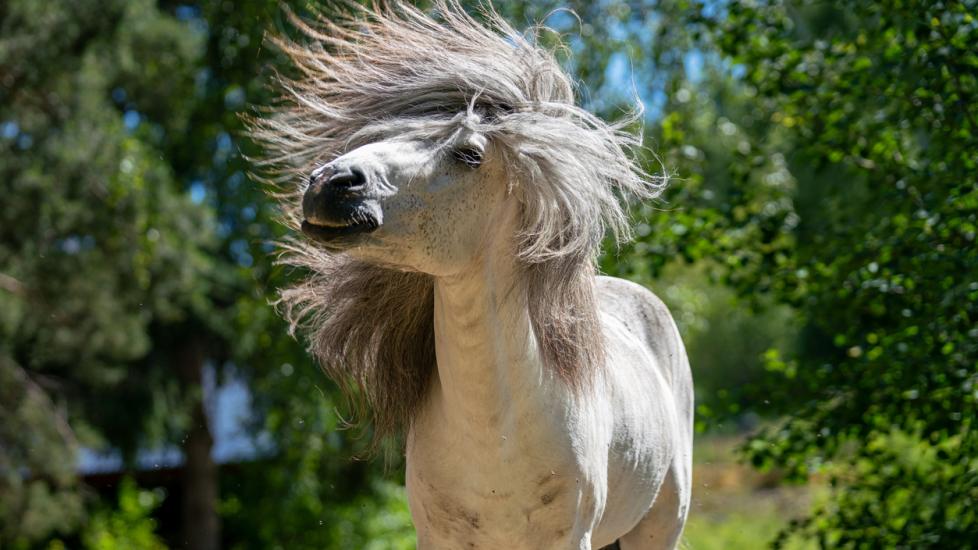
WRITTEN BYAmanda-Jo King, DVM Veterinarian Amanda-Jo King DVM is a native Floridian and has always fostered a love for animals great and small. Veterinary medicine was not always her…,One of the most alluring and distinctive features of horses is their luxurious mane and tail. Just like people have different hairstyles, horses may have different mane “styles.” Not only are horse manes visually appealing, but they provide multiple functions, including pest control, protection, and a clutch for riders to hold onto in the early days of domestication. Pest Control for Horses One function of a horse’s mane is to keep pests away. This is very important because some insects, specifically mosquitoes, can spread life threatening diseases including Eastern Equine Encephalitis and West Nile Virus. Horse flies and deer flies which spread Equine Infectious Anemia, the disease that a Coggins test identifies, can also be swished away by the mane. The lock of hair that grows from the top of the head and falls forward between the ears onto the forehead is called the forelock. This part of the mane is very helpful in keeping flies out of your horse’s eyes. Some breeds, particularly ponies, have very thick forelocks, whereas other breeds like Thoroughbreds have thin forelocks. Primitive horses like the Przewalski’s horses and donkeys have no discernable forelock. Protection for Horses In addition to providing pest control, your horse’s mane provides additional forms of protection. The mane, like wearing a nice insulating scarf, keeps the neck cozy and warm. It also keeps the neck dry in the rain, and the forelock protects the eyes from the sun. A thick, large mane may make the horse appear bigger and deter an attacker. However, if the predator does attack, the mane can also keep predators from latching onto the neck and internal vital structures. Not only is the neck area attacked by other species, but when stallions fight, they tend to bite at each other’s necks. This is also why stallions tend to have thicker manes than mares. Marker of Health for Horses A thick and shiny mane is a sign of good health. A healthy, full mane indicates access to resources and nutrition. Animal behaviorists have also found that mares are more attracted to stallions with a thicker mane. This is because it signifies strength and ability to provide protection. Is it OK to Cut a Horse’s Mane? Routine grooming is required to keep a mane healthy. Mane maintenance starts by using your fingers to pick out any large debris and separate tangles. In general, having a couple different brushes will be helpful. A soft bristle brush is used at the base of the mane while a mane and tail brush is used for the length. An equine hair conditioner is also very helpful for keeping your horse’s main healthy. Even though in nature a thick mane is desirable, in our companion horses a mane may get too thick and becomes unmanageable. It is best not to cut your horse’s mane. Instead, to thin out your horse’s mane, use a technique called “pulling.” The key to pulling your horse’s mane is to use short, quick pulls and to work in small sections of the mane. Tease out the long hairs with a mane comb. Starting with the longest hairs will both thin the hair and shorten the length. When starting to pull your horse’s mane, don’t pull it all at once as this may lead the horse to resent it. Instead, do a small amount at a time and over multiple sessions. This technique should not bother your horse; if it does, ask an experienced horse person for help. It should be noted that in some cases a horse will have its mane “hogged” or cut short for the entire length. This is often seen in working horses like the Cob and polo horses.
In This Article Reasons Why a Horse Kicks View 2 More +

References Featured Image: iStock.com/Azaliya,References Close,What is Anthrax? Most people have heard of anthrax; it has been used as a biological weapon and a scare tactic in terrorism attacks during the early 2000s. Anthrax, caused by the bacterium Bacillus anthracis, is an infectious disease, and can prove fatal for horses (or humans, for that matter). There are legal ramifications surrounding anthrax, and when diagnosed, the veterinarian is obligated by law to report it to the appropriate government agency. Symptoms and Types The signs of anthrax infection depend on how the animal was infected. Horses most commonly are infected by either ingestion of anthrax spores, or via the skin from an insect bite. When spores have been ingested: Depression Fever Chills Colic Severe bloody diarrhea/enteritis Death Infection from insect bite: Enlarged lymph nodes Swelling in the throat Difficulty breathing Large, painful, swollen area at site of bite
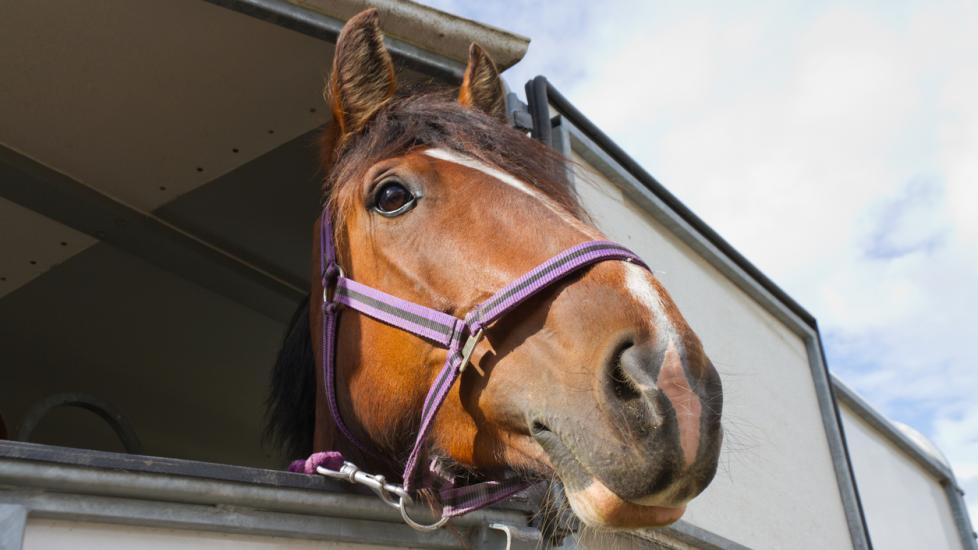
Buying a horse can be an exciting, but sometimes intimidating venture. If you’re thinking about getting into the horse business, whether for a hobby or for a career, there are always hidden costs to consider before making your investment. Keep in mind upkeep costs after the purchase price, from board and feed to healthcare, and other common costs should be worked into your allocated budget. Buying a Horse There are many potential routes to go when acquiring your horse, including adoption or auction, purchase from an individual, or high-level sales. Purchase price can vary from free to hundreds of thousands of dollars depending on the level, lineage, and talent of the prospect. A pre-purchase examination (PPE) by your veterinarian helps ensure you’re getting a horse that fits your needs and wants. A companion horse that is being adopted to live out the rest of their years in peace need not be sound, but an athlete should be examined for injuries, weaknesses, and potential management issues such as arthritis or joint injections in the future. The cost of these exams typically correlate with the price of the horse. The more expensive the horse or intense the job, the more extensive the PPE. In addition to a basic physical exam, a thorough lameness exam and sometimes radiographs and other imaging may be completed and judged to determine if the horse is a good fit for your needs. It is not your veterinarian’s job to “pass” or “fail” a horse, but to simply give you all the knowledge possible about your potential purchase, so you can decide what or if certain issues are worth the investment. This pre-purchase exam can cost anywhere from a hundred to several hundred dollars.
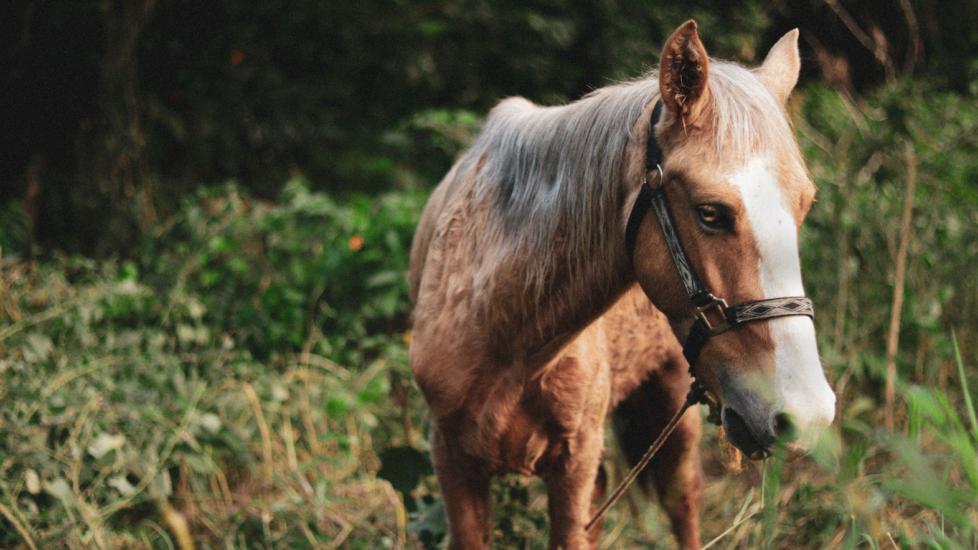
As its name suggests, the Finnhorse originates from Finland, and is mainly used for riding, trot-racing, and light draft duty. A versatile horse, it is also referred to as Finnish Universal in its native country for its wide range of talents. Physical Characteristics The strong, muscular Finnhorse ranges from 14.2 to 15.3 hands tall on average. It has strong legs and tough hooves. Although its coat is generally chestnut colored with white markings with flaxen mane and tail, some bay, palomino, black and gray Finnhorses exist.
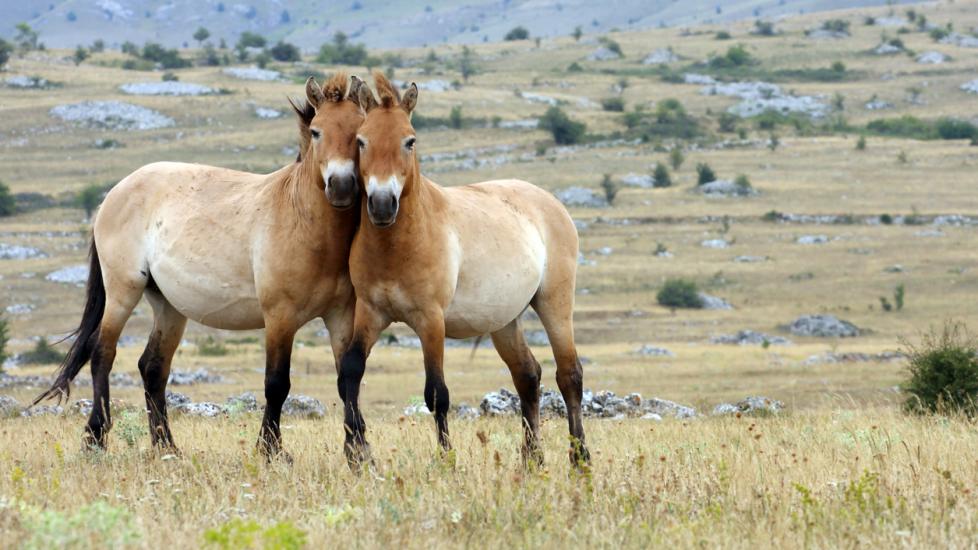
There is evidence that horses were first domesticated about 6000 years ago. Since then, horses have become very close partners with humans. They have been used in roles including farming, travel, war, entertainment, sport, and even simply as pets. The population of truly wild horses has decreased significantly over time. Our close relationships with these beautiful and powerful animals make the idea of horses in the wild that much more fascinating. Are There Still Wild Horses in the World? Most of the horses found in the wild around the world are actually feral horses. These are horses that are descended from horses that were domesticated at some point in history. Feral horses can be found all around the world. This includes: American Mustangs Brumby horses of Australia Namib Desert horses of Africa Misaki-Uma horses of Japan Cimmaron in South America Camargue horses in France The only truly wild horses with no domesticated ancestors left in the world are Przewalski’s horses. Are There Any Wild Horses Left in the United States? All the horses that live in the wild in the United States are feral horses. Many are believed to be descended from horses originally brought over with Spanish explorers in the 1400s and 1500s. Those that escaped during expeditions or were purposely left behind thrived in the lush natural environment. Some of the better known populations include the Mustangs that range the American west and the Chincoteague ponies that live off the coast of Maryland and Virginia.
In This Article Most Common Fall Toxins Poisonous to Pets View 4 More +
In This Article Summary View 6 More +
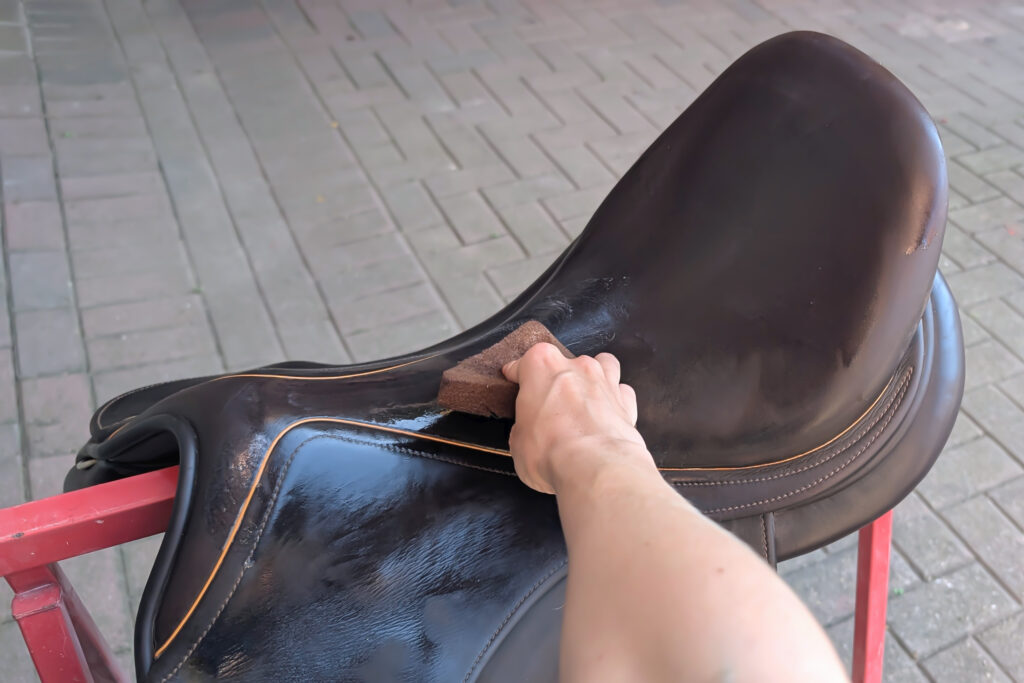
Saddle cleaning is one barn chore you shouldn’t avoid. A properly cared-for saddle looks great, and can last for decades. Neglected saddle leather, on the other hand, may pose risks to your safety, grow mold/mildew, or simply wear out before its time. Whether your saddle is English, Western, Australian, or otherwise, if it’s horse tack made of leather, it needs regular cleaning and conditioning. To learn about how to clean a saddle properly, we spoke with professional saddle cleaner Kris Hanna of K&T Saddle Cleaning in Lucerne Valley, California, as well as saddle fitter and endurance rider Heidi Helly of Valley Center, California.

What Is a Horse Whisperer? Your Guide to Natural Horsemanship

The 5 Best Winter Dog Sports and Activities to Try With Your Pup