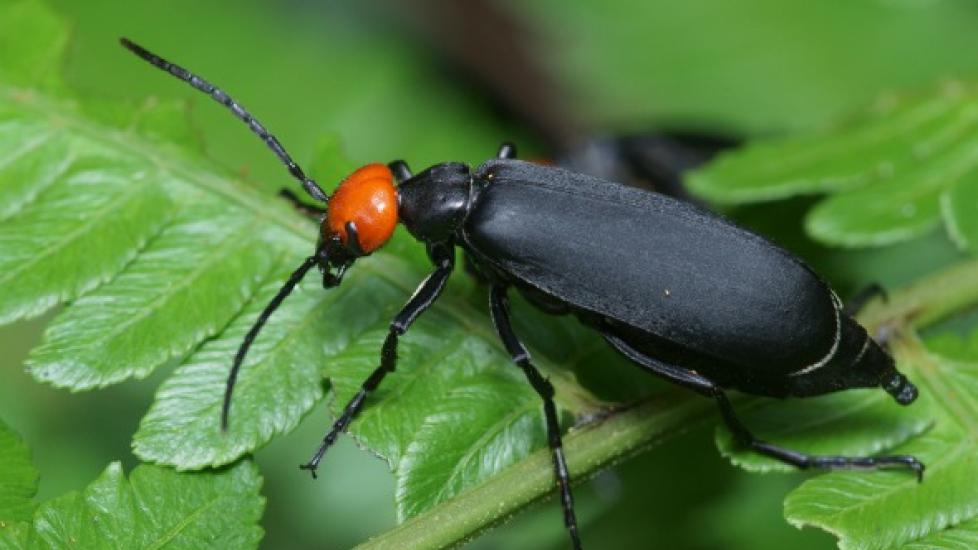
Prevention The blister beetle congregates in swarms to feed on alfalfa fields during mating, which is normally in mid- to late summer. Knowing where your hay is coming from along with close inspection of the hay this time of year in areas that harbor this insect are two ways to help prevent against this potentially lethal condition. ,WRITTEN BYAnna O’Brien, DVM Veterinarian Anna O’Brien, DVM is a large animal veterinarian. A 2008 graduate of Purdue University, she currently works in Maryland, just outside of…,Cantharidin Toxicity in Horses Blister beetles are a type of insect found primarily in the southwest and Midwest regions of the United States. These beetles harbor a very powerful toxin called cantharidin, but, unlike other types of insects, it does not spread this toxin through biting. Adult blister beetles feed on alfalfa flowers and crops, the same crops used for horse and cattle feed, and when the crops are harvested the beetles are often killed in the process, contaminating the crops with their body parts and fluids and causing illness in the horses that eat the contaminated feed. Blister beetles are extremely toxic when ingested by horses: as few as five to ten beetles may be fatal to a horse. The cantharidin toxin affects many bodily systems. It is extremely irritating to the digestive tract and causes blisters and erosions from the lips and tongue all the way through to the lining of the intestines, which causes abdominal pain (colic) and diarrhea. This toxin also causes damage to the kidneys and the heart. Symptoms and Types Colic Anorexia Diarrhea or soft stool Kidney damage Blisters on the mouth Playing in water in attempt to provide relief from blisters Damage to urinary tract (displayed as abnormally frequent urination and discolored urine) Increased heart rate, sometimes irregular heart beats (arrhythmia) Diaphragmatic flutter (“thumps”) due to low blood calcium (hypocalcemia)