Kissing Spine in Horses
In This Article Summary View 6 More +


Horse

In This Article Summary View 6 More +
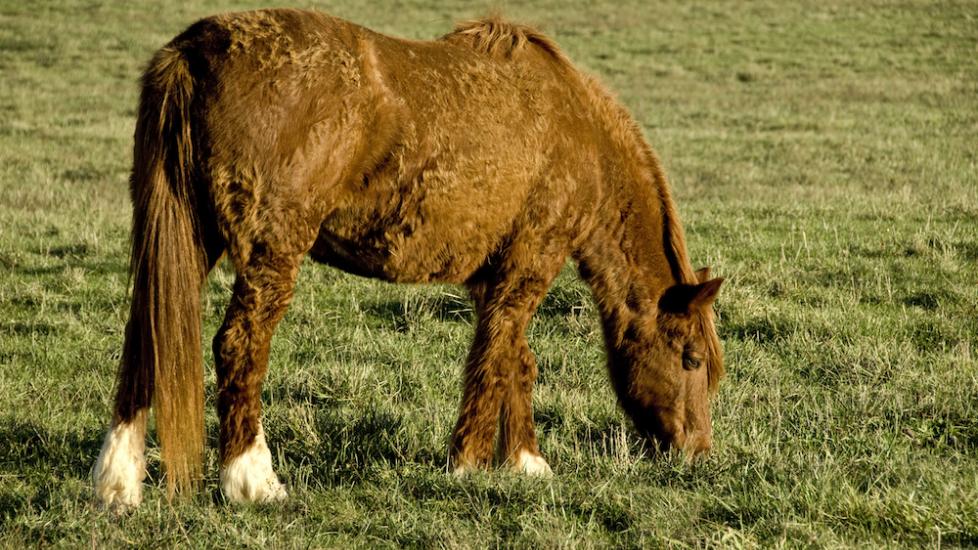
Reviewed for accuracy December 8, 2022. The American Bashkir Curly is a horse breed that purportedly originated in central Nevada, though some argue to the contrary. A common U.S. horse breed, it is mainly used for riding purposes today. Physical Characteristics Ironically, not all American Bashkir Curly horses have curly hair. In the summer, they shed the silky and kinky hair on the mane, eventually growing the ringlets back during the winter. Common coat colors for the breed include gray, black, bay, Appaloosa, and Pinto. A typical American Bashkir Curly stands at 14.3 to 15 hands high (57-60 inches, 145-152 centimeters) with a stout, muscular, and noble frame. It has a muscular back and hocks; powerful, rounded shoulders; a round, crease-free rump; and a wide, deep chest. Its legs, meanwhile, are straight with flat knees and tough, almost-perfectly rounded black hooves. An American Bashkir Curly’s eyes are also wide-set, providing it with a wider range of vision.
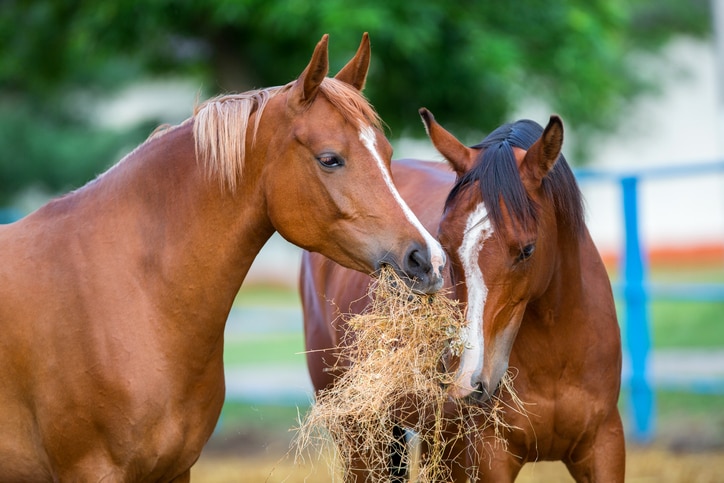
As herbivores, horses primarily eat forage like grass and hay, but how much hay does a horse eat? A number of variables, including age, workload, and the type of hay, can affect how much hay your horse should eat.
In This Article Summary View 6 More +
In This Article Overview View 8 More +
In This Article Overview View 6 More +
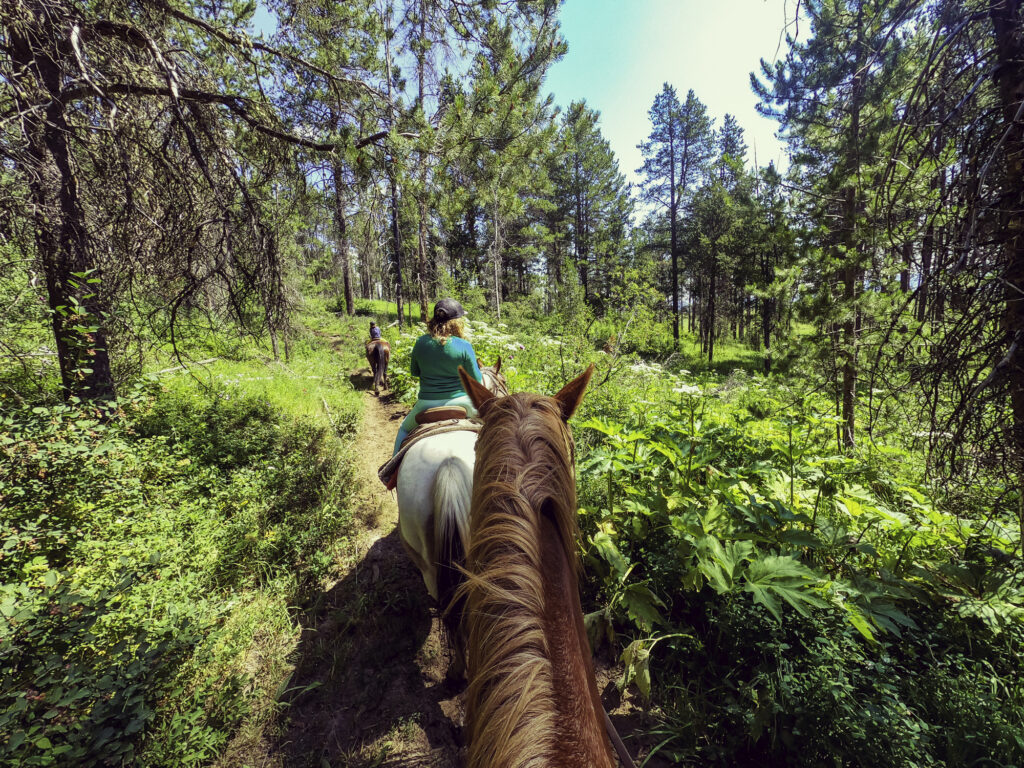
Whether you’re hitting the trails around the property where your horse lives or perhaps gearing up for an equine camping adventure, properly equipping you and your horse is essential. Here’s what you’ll need.
In This Article Summary View 6 More +

Prevention of Maple Leaf Poisoning in Horses Since there is no cure for maple leaf poisoning, the key to protecting your horse is prevention of exposure. Prevention of maple leaf toxicosis is best accomplished through management practices as follows: It is not necessary to cut down all maple leaf trees in horse pasture. Instead, cut down all low branches to keep out of reach of horses and small trees should be fenced off. Make sure to remove all fallen branches and leaves in the pasture from storms and never throw out leaves gathered during yard work into the pasture. If you have any maple trees in dry lots or where there is access to limited forage, these should be cut down since horses with limited forage are more likely to eat the leaves than horses with lush pasture. Moving horses from areas of high prevalence of maple trees during the fall may also be necessary to prevent exposure risk. When planting new trees around or in turnout/pasture areas, be diligent with the species and ask your veterinarian if unsure whether a type of tree is a risk to your horse. ,What Is Maple Leaf Poisoning in Horses? Maple leaf poisoning in horses is seen most frequently in the Midwest and eastern part of the United States as well as Canada. Interestingly, fresh maple leaves are not toxic to horses and the leaves only become toxic once they begin to wilt. Today, the identity of the specific toxin in maple leaves is unknown. Due to the toxin only being present once the leaves begin to wilt, it is not surprising that most cases of maple leaf poisoning are seen in late summer or early fall. Poisoning can also occur during the spring and summer following heavy storms–causing tree limbs to fall in pastures. While maple leaf poisoning is rare, it is serious and life-threatening even with treatment. If you suspect your house has maple leaf poisoning, contact your veterinarian immediately. There are 115 species of maples trees and shrubs, but only four are most commonly native to the US: Sugar Maple Red Maple Silver Maple Boxelder
In This Article Summary View 6 More +

What Is a Horse Whisperer? Your Guide to Natural Horsemanship

The 5 Best Winter Dog Sports and Activities to Try With Your Pup