Guide To Feeding Your Metabolic Horse
In This Article What Is a Metabolic Horse? View 7 More +


Horse
In This Article What Is a Metabolic Horse? View 7 More +
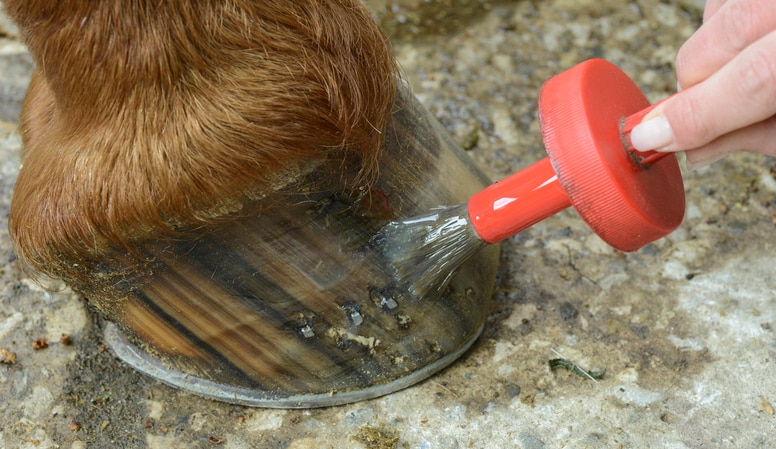
“No hoof, no horse” might be a cliché, but without proper horse hoof care your horse’s health and performance will suffer. Here we explain why horse hoof care is essential, what good hoof care practices look like, and potential issues to watch for.
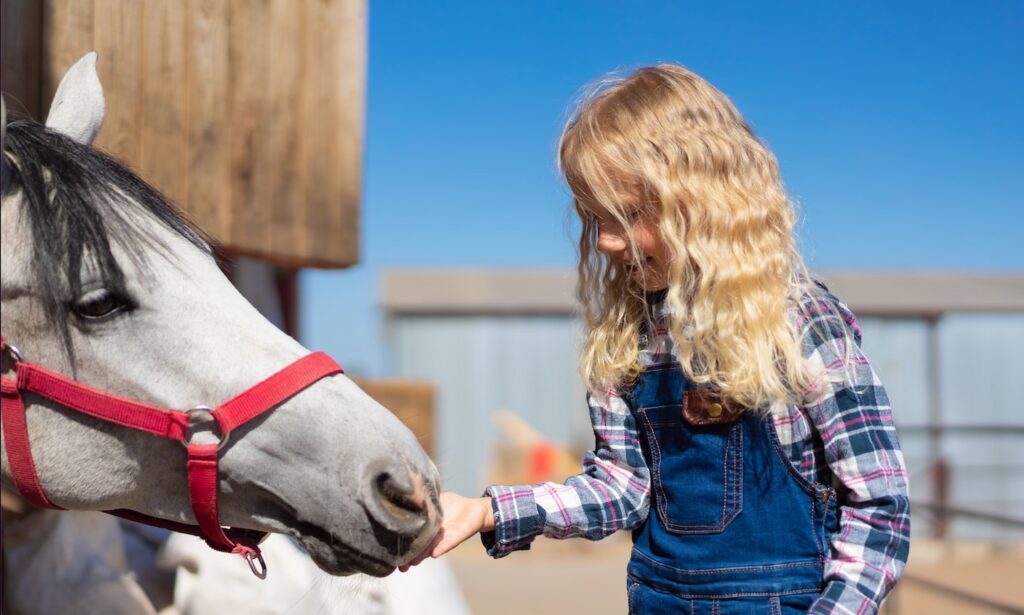
There’s nothing like a batch of fresh, homemade cookies to reward your horse for a job well done or simply to brighten their day with a sweet treat. While you can conveniently grab commercial horse treats at your local tack shop or even order them online, making your own homemade horse treats can be a fun and enjoyable way to bond with your equine companion. These no-bake horse cookies are a quick and easy treat to share with your barn friends! Containing just a few simple, horse-safe ingredients, they can easily be made right at the barn without the need for a kitchen or oven. This recipe was reviewed by a veterinarian. As with any human food, pet parents looking to incorporate new foods in their horse’s diet should consult with their veterinarian beforehand. These treats should not be fed to metabolically compromised horses, such as those living with insulin dysregulation (ID), equine metabolic syndrome (EMS), obesity, or laminitis. If your horse has health issues or if you have any concerns, consult your horse’s veterinarian before offering these food items.
In This Article Summary View 6 More +
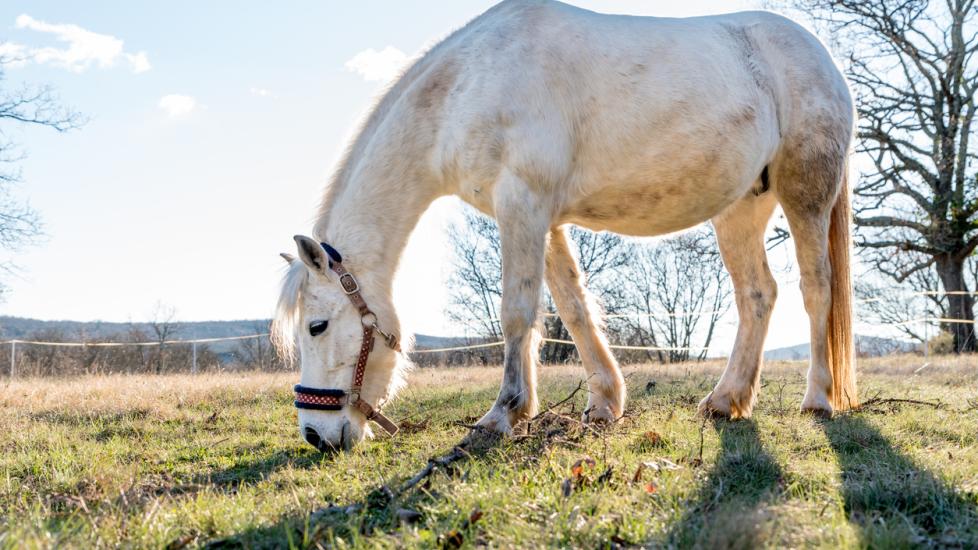
Updated for accuracy October 26, 2022. The Welsh Cob is the largest-sized animal within the Welsh Pony and Cob breed registries. Used originally as a farm animal in Wales during the Middle Ages, the quick and friendly Welsh Cob is generally utilized today as a show horse. Physical Characteristics Though it is the tallest—standing at least 52.8 inches tall—and stockiest of the Welsh sections, the Welsh Cob’s head resembles that of a pony, with large, prominent eyes and a straight profile. It has a long, robust neck, well-defined withers — the area between the shoulder blades—and muscular, sloping shoulders. The Welsh Cob’s chest is also broad and deep, and its legs are short but well-built with flexible joints. All colors are acceptable for the breed except skewbald and piebald.
In This Article Summary View 6 More +
In This Article Summary View 6 More +
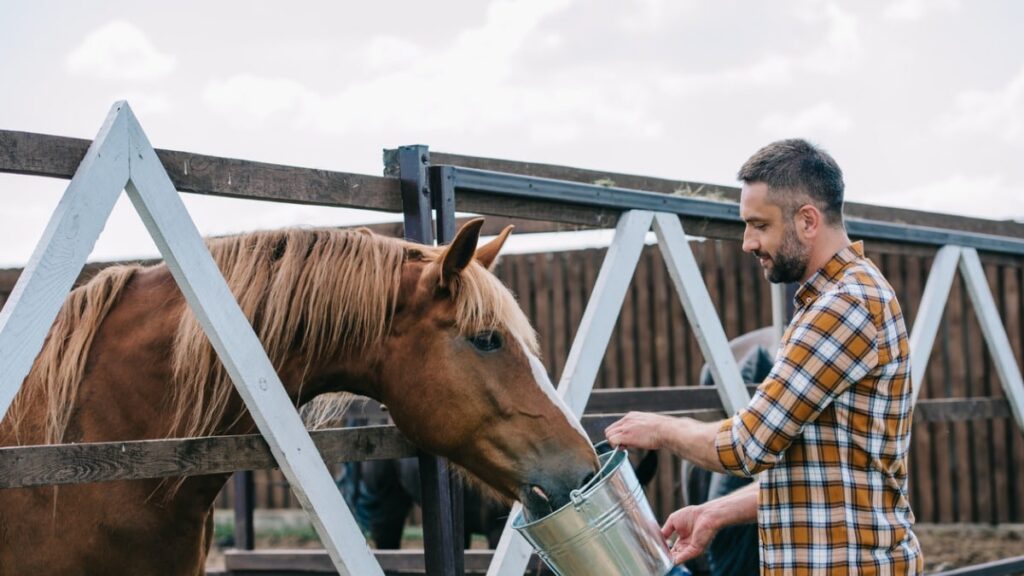
As a horse owner, you’re always striving to take the best possible care of your horse. With that comes seemingly endless things to learn and decisions to be made, including what to feed him. A healthy diet is based on good forage—hay and/or pasture. Beyond that, you can feed him grain or other bagged concentrate to add calories to the diet. Once you’re happy with your horse’s base diet, you probably will start to think about horse supplements. It seems like every horse in the barn is on a regimen of supplements, so they must be important, right? Read on to learn about some of the most common types of horse supplements and if some might be right for your horse.
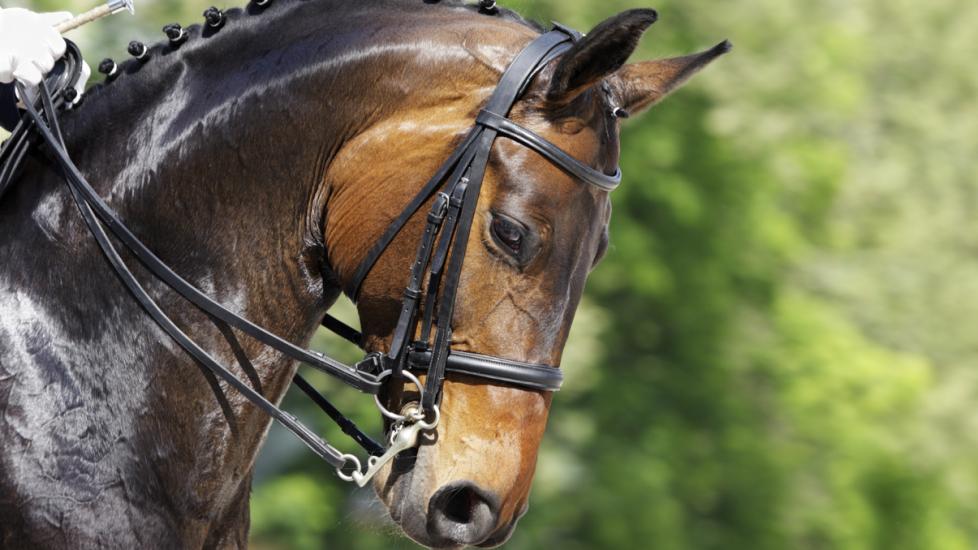
Signs of Neurological Problems in Horses Neurological problems in horses can be challenging to diagnose and treat. These conditions can range from mild to fatal depending on the condition, and how soon signs are recognized. There are several clinical signs that may indicate a neurological problem in horses. These signs may include: Ataxia: a lack of coordination and unsteady gait Difficulty standing or walking Head pressing: pushing the head against a solid object Muscle tremors or twitching Loss of balance or falling Circling or turning in circles Abnormal eye movements Seizures If you observe any of these signs in your horse, contact a veterinarian immediately.

In This Article Are Bananas Good for Horses? View 6 More +
What Is a Horse Whisperer? Your Guide to Natural Horsemanship

The 5 Best Winter Dog Sports and Activities to Try With Your Pup