How To Clean a Bird Cage
Your bird’s health is closely tied to the quality of their care. Learning how to clean a bird cage properly is an important aspect of overall pet management.


Pet bird
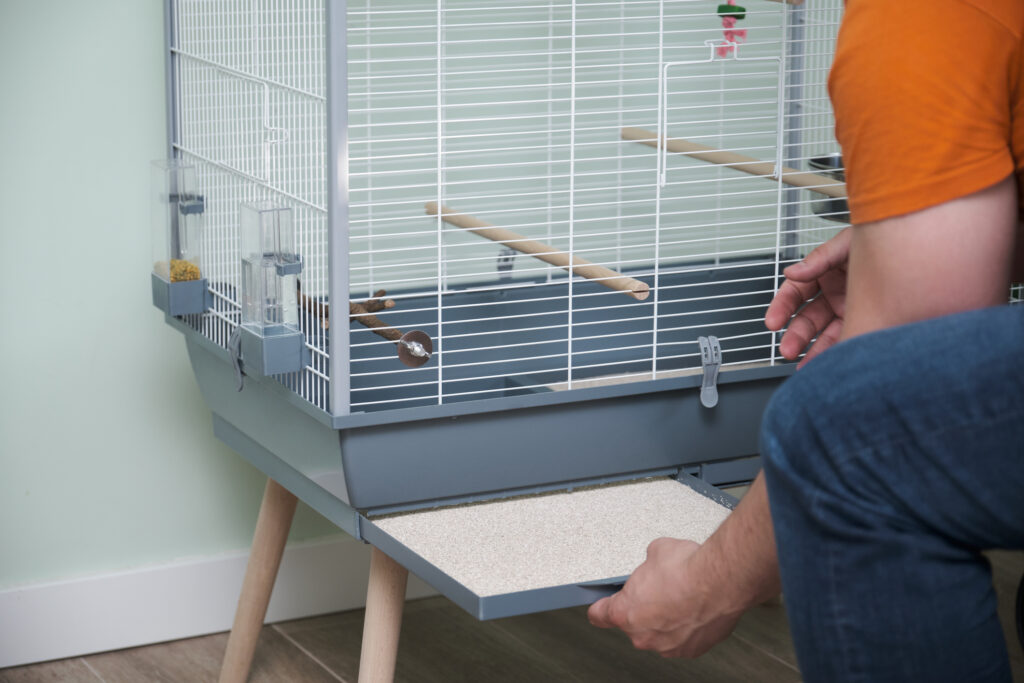
Your bird’s health is closely tied to the quality of their care. Learning how to clean a bird cage properly is an important aspect of overall pet management.
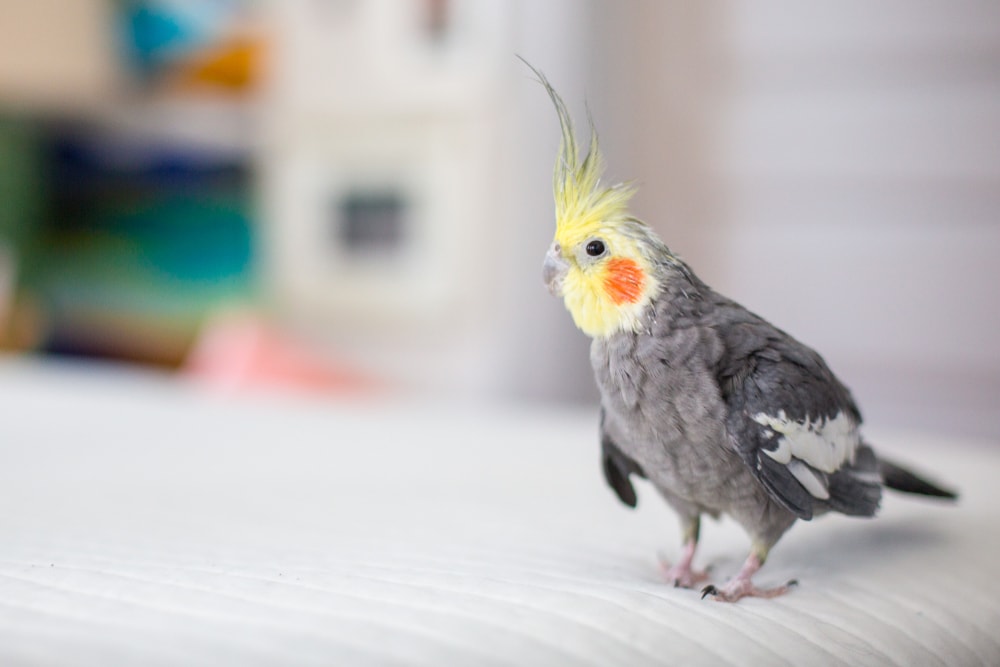
If you own a female cockatiel, the probability that she will one day lay an egg is quite high. Instead of asking will she lay an egg, it might be more appropriate to ask when will she lay an egg? This can be a nerve-racking experience for new cockatiel owners, but understanding how it occurs can help deter continuous egg-laying behavior. As a female cockatiel approaches her first birthday it is not unusual for her to show an increase in a preoccupation with egg-laying. Laying a clutch of eggs is prompted by reaching sexual maturity, which triggers hormones to proceed as nature intended. Your usually sweet hen may become broody, testy and nippy. Don’t take it personally, your cockatiel is simply looking for a mate and a safe nesting site because she is being driven by nature to reproduce. Six major conditions need to be met to prompt cockatiels to lay eggs. These include adequate nutrition, increased daylight hours, satisfactory temperature and humidity levels, an acceptable mate and a suitable nesting site. In captivity, and for many pet cockatiels, these conditions may be provided without the owner’s awareness. When kept indoors, cockatiels are non-seasonal breeders, meaning their breeding schedule does not need to coincide with a particular time of the year. Reproduction in cockatiels is influenced by weather, specifically by the amount of heat, humidity and light to which they are exposed, which can also be controlled indoors. In their native Australia, cockatiels live in the arid interior in desert conditions. They reproduce during the rainy season, when increased rain showers provide an abundance of seeds in the milky stage, which they feed to their young. Offering your cockatiel soft foods, such as table and breakfast foods or commercially prepared heat-and-serve products, can mimic the milky-stage or breeding foods. To remove this trigger, restrict these items to once or twice a week, or eliminate them temporarily. Continue with the normal diet, including plenty of dark green leafy vegetables, and orange/yellow vegetables along with other staples. The length of daylight hours, or photolight period, also provides enough time for parent cockatiels to seek out an adequate amount of food to regurgitate back to their young. Aviculturists extend the daylight hours by providing additional hours of lighting in the aviary after sunset. To deter breeding, reduce the amount of artificial daylight you provide. Increased rain and the resulting humidity allow more frequent bathing opportunities and provide additional moisture when parents return to incubate their eggs. Adequate humidity levels must be kept for breeding success if that is your goal. If the air is too dry, embryos will adhere to the egg membrane and be unable to rotate in the shell; conversely, if the humidity is too high, it can cause an embryo to drown. Most cockatiels instinctively control humidity levels by bathing in a large bowl of water and return dripping wet to sit on their eggs. Your female cockatiel may determine what makes a suitable nesting site. Often a broody cockatiel hen tears up paper at the bottom of the cage to prepare a bare, hollow impression for her eggs. Some females select unlikely places – from an open drawer, to a corner of a bookcase, on top of high furniture, or even under a bed. What may seem appropriate to your cockatiel may not always make sense to you, so be aware of prospective nesting sites that your female may deem interesting. It might surprise you to learn that if you are constantly picking up, holding and touching your cockatiel, it is likely that your female has bonded with you as her chosen mate. She is now proceeding to do as instinct dictates and complete her biological urge to lay a round of eggs and preserve her genes. Try not to touch your cockatiel’s body or rump area at this time, because it may imitate a potential breeding attempt where the male would mount her for mating. Limit contact at this time to head scratches, if accepted, until her broodiness passes and her hormones return to normal levels. Never remove eggs once they are laid. Wait until your cockatiel is ready to abandon her eggs of her own accord, or she will lay additional eggs to replace the ones lost. This is a biological survival mechanism to ensure that eggs lost (for example, if eaten by a predator), are replaced so that her genes survive. If you are able to reverse or adjust some of the breeding conditions outlined above, you will help to prevent egg-laying episodes in the future. However, if your female should become a chronic egg-layer, which can become life-threatening, bring your cockatiel to an avian veterinarian for immediate medical attention.
You should talk to your avian veterinarian if you have questions about what nutrients are most critical for your bird’s species. There are, however, some generalities that apply to all parrots. What follows is a list of table foods that shouldn’t be offered to any parrot species. This should give you a good place to start when making table food selections for your avian companion. Foods that should never be offered to parrots include chocolate; caffeinated and alcoholic beverages; avocado; shellfish; and any meat, fish, poultry or eggs that is undercooked or has been cooked, refrigerated and then reheated. Many bird owners have heard the warning about chocolate, but it’s worth repeating. “Chocolate contains a compound called theobromine, which is like caffeine in that it is a stimulant,” explained Natalie Antinoff DVM, an exotics-only veterinarian in Houston, Texas. In high enough quantities, chocolate can cause birds to suffer heart problems, depression, regurgitation, seizures, liver damage, and even death. “Since the consistency of chocolate is so thick, it is not easily flushed out if a bird does eat it,” Dr. Antinoff said. Chocolate candy is also bad because of the sugar in it, which is not good for pet birds. Even a small bite of a chocolate could be harmful to your bird. “A bird’s body weight is much less than ours so it takes a lot smaller volumes to cause equal signs of illness,” noted Brian Speer, DVM, an avian veterinarian in Oakley, California, and co-author of Birds for Dummies. “If your 400-gram Amazon eats one small square of chocolate, that would be the equivalent of a human being eating a 10-pound bar of chocolate. If you eat 10-pounds of chocolate you will have the same clinical signs as your Amazon parrot that ate one small square of chocolate.” Caffeinated beverages such as coffee, tea and cola can cause an increase in heart rate in pet birds and make them hyperactive. If enough of a caffeinated beverage is consumed, a bird could have seizures and die. Alcohol, too, can cause seizures and death. Julie Burge, DVM, a veterinarian and aviculturist in Missouri, recalled a case of one of her clients who woke up one morning after having thrown a party the night before and found his parrot dead in the living room. “The bird was allowed to fly loose, and had consumed enough alcohol from the glasses left by guests to die from alcohol poisoning,” she related. Avocado is a no-no because of the pit, which contains an oil that leaches toxin into the fruit. The toxin is persin, a fatty acid-like compound that has cardio-toxic effects. Avocado toxicity can produce lethargy, anorexia, breathing difficulty and sudden death. In Larry Nemetz, DVM, an exotics-only veterinarian in Southern California experience, avocado seems to be especially harmful to smaller birds like lovebirds, budgies and cockatiels (which often will become very sick and die within a day or two of eating avocado), but larger parrots are also susceptible. He once treated a cockatoo that had been fed avocado for six months before getting sick from it. The fish and meat warnings are very similar for birds as they are for people. Nemetz does not recommend shellfish because “it can be toxic, which humans may be able to get away with eating, but birds are much more sensitive, so it’s best to not take any chances.” Uncooked, undercooked or reheated animal protein should not be given to pet birds because it is at a higher risk of bacterial infection than meats that are freshly and fully cooked, according to Nemetz. So if you’re eating a reheated or rarely cooked steak sandwich for lunch or drinking a shake with raw eggs in it, don’t offer any tastes to your bird. If there’s any bad bacteria in the food, you may not become ill from it but your bird might. Want to learn more on how to feed your parrot? Check out these articles: 5 Basic Bird Training Tips for Beginners 14 Parrot Hand-Feeding Tips What Do Parrots Eat?
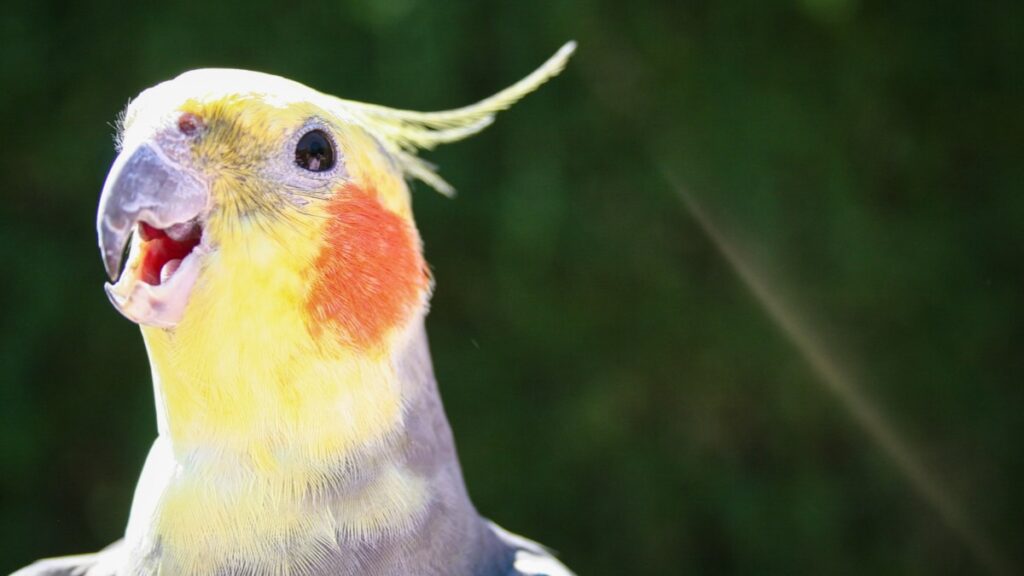
Sam Vaughn, DVM, Dip. ABVP-Avian Practice, said the signs that your pet bird is choking may be obvious or subtle. A bird may begin extending its neck, gasping for air, he said. In other cases, the bird will utter a small sound like a cough that could easily go unnoticed.,Description
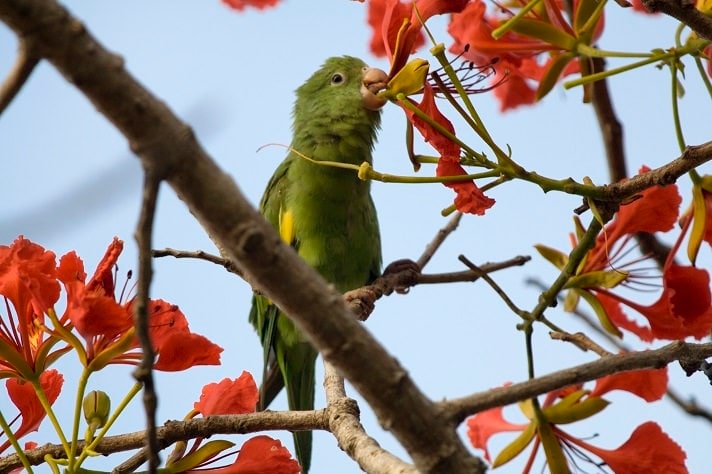
Canary-winged parakeets (Brotogeris versicoluris), members of the genus Brotogeris, are small, South American parakeets. Their engaging personalities and gentle temperament made them much sought-after pets during the 1970s and ’80s, when they were imported by the tens of thousands. No longer imported due to the 1992 Wild Bird Conservation Act, canary-winged parakeets are now domestically raised. Hand-raised babies are truly a joy to own. Their owners often describe them as affectionate, intelligent, playful and bold little parakeets. Active, inquisitive and outgoing, canary-winged parakeets seem to enjoy spending time with their owners and can be affectionate with all members of the family. “I have two canary wing girls that have been with me for five years now,” said David from New York. “They are wonderful companion birds. They will give you as much affection and attention as you give them, so if you’re looking for a bird to do everything with you, you’ve found the one.” They can learn a variety of tricks, and some even learn to imitate human speech. Canary-winged parakeets can be social with other Brotogeris species as long as patience and care is used when introducing the birds. They do not lose their bonding with their human owners if they receive daily one-on-one attention. Canary-winged parakeets, like other Brotogeris, produce a loud, shrill call. Single pet canary wings make less noise than several birds. With lots of appropriate attention from their owners and large, roomy bird cages, interesting bird toys and a healthy, nutritious diet, canary wings don’t engage as much in constant, loud calls.
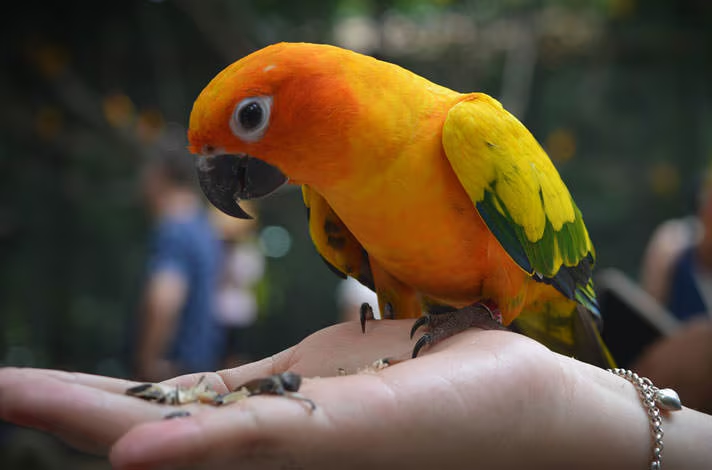
Why train your parrot to fly? There are many good reasons, but the first is to maintain your pet bird’s health. A bird’s form, function and anatomy all evolved for the purpose of flight. Even a parrot’s metabolism, which is higher than that of a mammal’s, supports flight. For a second reason, look no further than the fact that flight training is fun. When you work with your parrot on flight training exercises, you encourage an active, healthy bond between you and your pet bird. Watching your pet bird fly and encouraging it to fly to you is rewarding and entertaining. Like playing a jazz piano, flight training requires attention and adherence to basic principles to develop and keep the harmony, rhythm and timbre from disappearing. Like making music, you and your parrot have to learn and practice the method first. Only after that can you let the melody out to fly on its own.
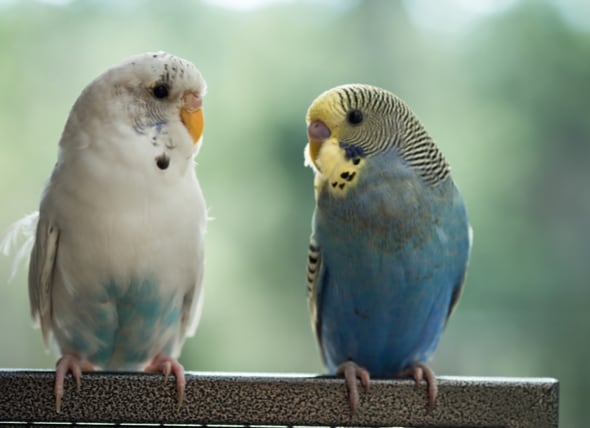
If you’ve had your pet budgie for awhile and, all of a sudden, your budgie is acting weird, don’t worry. There’s good news, and more good news. First, your parakeet is likely displaying typical hormonal behavior. Second, there are things you can do to reduce hormonal triggers to help your parakeet get back to its sweet, normal self. Larry Nemetz, DVM, of The B.I.R.D. Clinic in California describes hormonal budgie behavior as “the rising of estrogen and testosterone levels, resulting in a change in your budgie’s behavior.” Those changes can be both physical and behavioral, and male budgies display some different behaviors than female budgies. There are several parakeet behaviors that can be chalked up to “hormonal.” According to Nemetz, while all birds are individuals, male parakeets don’t seem to get as hormonal as female parakeets. “Some birds don’t show signs of being hormonal, and other birds get really stressed out during this period of time,” bird expert Chrys Meatyard added. “A single, hormonal budgie might try mating with its human, a bird toy, a perch or anything else. Bonded, paired budgies will likely mate and produce eggs/babies. Single female birds can lay infertile eggs.” Some typical hormonal parakeet behaviors include:
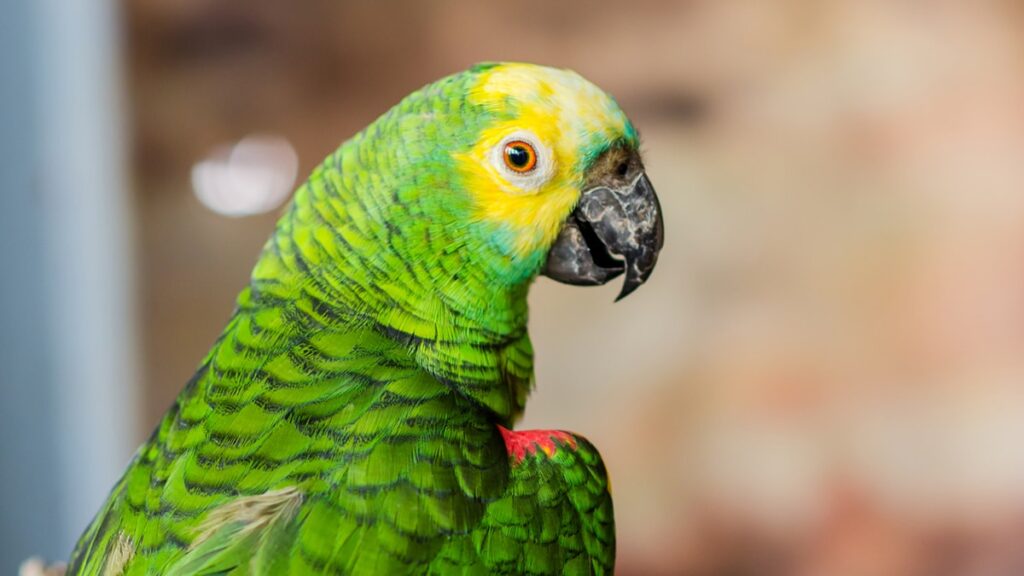
Amazon parrots are attractive, playful, intelligent birds that are as capable of talking as they are as throwing temper tantrums. “Amazon parrots can be fun and interactive, and if you reward and stimulate that behavior, you can help maintain it,” says Byron J.S. de la Navarre, DVM at the Animal House of Chicago. They can also be unpredictable and will bite or squawk loudly if they feel threatened or stimulated, he says. But with proper training and acquainting yourself with some common Amazon parriot behaviors, and misbehaviors, you and your bird can have a happy, loving relationship.
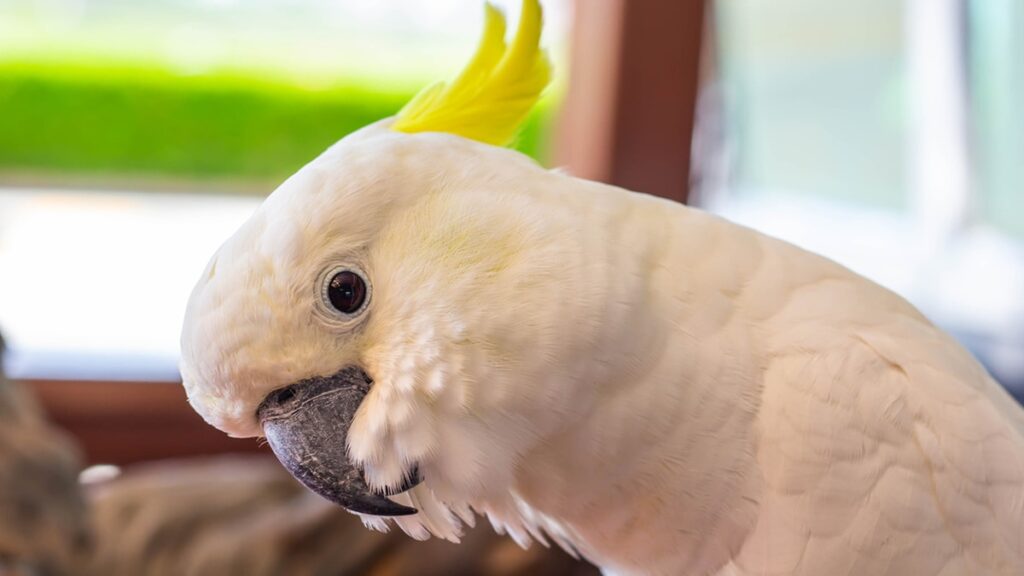
When you decide to expand your flock by adding a bird to your family, you will choose between adopting a bird or shopping for one. If bird adoption is your preference, then you have to decide if you want to adopt through private owners or organizations, such as bird rescues or sanctuaries. If you’re looking to adopt a bird through private channels, you can find available birds through word of mouth, online listings and notices posted at veterinary offices or pet stores. If you choose to go through a bird adoption organization, they may have more birds to choose from. Organizations also often have someone educated on how to deal with problems the bird might have and can help you through the process of healing or dealing with any issues. Most bird adoption organizations begin with a screening protocol. They want to make sure adopters are not taking the commitment lightly and will be devoted to their new companions. This process can include interviews, home visits and a request for references (veterinary and otherwise). Of course, it is important that you know what you are responsible for during the bird adoption process. Here are some questions to ask during this process.
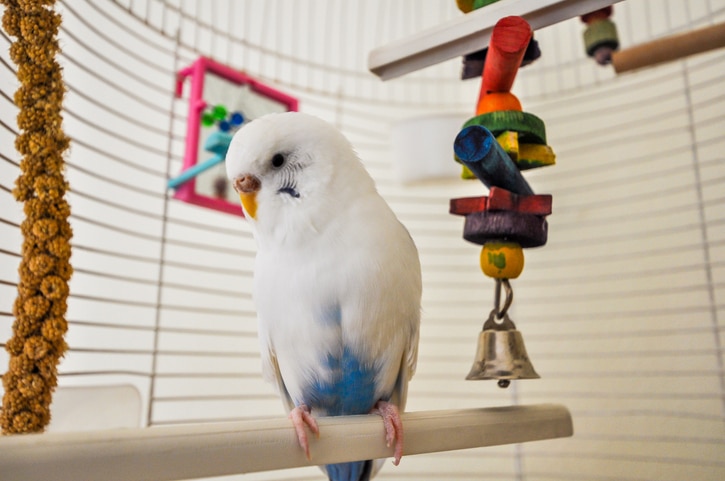
Toys belong on the top-of-list essentials for pet birds. Bird toys are designed to cater to a bird’s natural behaviors, such as: Foraging for food Climbing along branches Tearing apart vegetation Navigating challenging environments that test their problem-solving skills Knowing how wild birds spend their day makes it clear that our pet birds have an instinctive need to chew, climb, and explore, and toys offer those opportunities. ,Every bird species has a unique play personality, from parrots and macaws who love to chew to cockatoos who are complex puzzle problem-solvers. Understanding your bird’s play style helps you choose the best bird toys to keep them engaged and happy. Fortunately, with such an abundance of toys for birds available, finding the perfect ones for your feathered companion has never been easier.

What Is a Horse Whisperer? Your Guide to Natural Horsemanship

The 5 Best Winter Dog Sports and Activities to Try With Your Pup