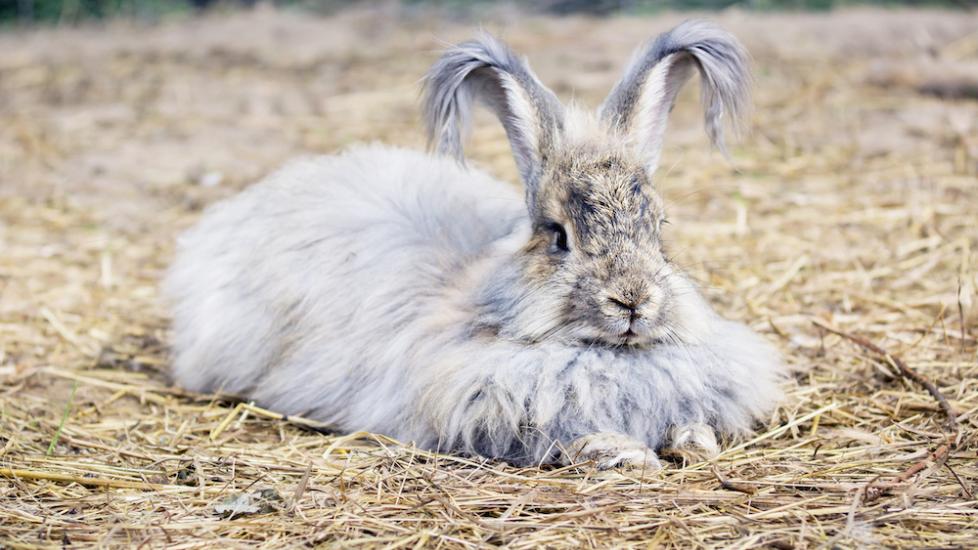
Angora Rabbit
In This Article General Care View 5 More +


Rabbits
In This Article General Care View 5 More +
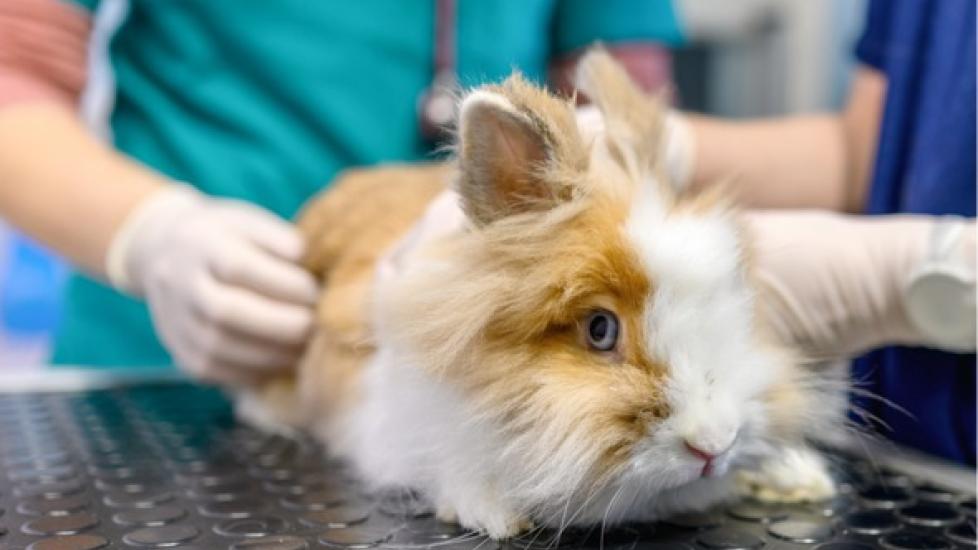
Rhinitis And Sinusitis Rhinitis in rabbits is an inflammation of the nasal mucous membrane. Sinusitis is quite similar; it is an inflammation of the air-filled spaces surrounding the rabbit’s sinus or nasal cavity. Both of these conditions can cause respiratory problems and are often noticed because of the rabbit’s excessive sneezing and nasal discharge. Symptoms and Types There are both acute and chronic forms of rhinitis and sinusitis in rabbits. These can either be contagious, non-infectious, associated with allergies or other conditions, or due to an abnormal or deformed facial bone structure. Some common symptoms for sinusitis and rhinitis include: Sneezing Runny nose (or nasal discharge) Reduced airflow Lack of appetite Slobbering or excessive saliva Dental disease Discharge from the eyes or other orifices Bleeding nose, which may suggest a bacterial infection in the teeth or mouth Causes There are many causes for sinusitis and rhinitis in rabbits, and they often are dependent on the type of condition (i.e., infectious or non-infectious form). The more common causes for the non-infectious forms of sinusitis and rhinitis include dental disease, trauma or injury to the face or nose, inhalation of foreign bodies including grass or seeds, allergies, and invasion of the nose by abnormal growth of cells, usually cancerous cells. The infectious forms of these two conditions may be due to bacterial, fungal or viral infections. Diagnosis To diagnose sinusitis or rhinitis, a veterinarian will typically perform blood tests and imaging examinations (e.g., X-rays, ultrasounds) to detect pneumonia, as this is a common condition in rabbits for these two cases. Occasionally, bacterial rhinitis will show up in imaging studies. Swabs and cultures are done from time to time, but may be hard to discern, as some of the organisms in the samples may not be directly responsible for the condition (or opportunistic). Your veterinarian may also make a diagnosis by identifying any bone structure abnormalities or deformities in the rabbit’s face or mouth, the latter being a common sign of dental disease. Treatment The type of treatment is dependent on the underlying cause for the symptoms. Oxygen is sometimes necessary if the rabbit has trouble breathing; using a humidifier can also help open airways. Other ways to improve respiratory function include washing the affecting area and removing any environmental irritants, especially known allergic items. Antibiotics may help with cases of rhinitis or sinusitis due to bacterial infections. Often, secondary bacterial infections cause many of the clinical signs associated with these two conditions. And because certain topical nasal decongestants cause some symptoms to worsen, they are not commonly recommended. In these cases, your veterinarian may prescribe antihistamines. Living and Management Animals should be provided with a proper, well-balanced diet including a wide selection of fresh greens such as cilantro, romaine lettuce, parsley, dandelion greens and spinach. Recovering rabbits need plenty of fluids at this time, in addition to regular follow-up appointments. This will ensure that the long-term treatment is successful. Rabbits with the chronic bacterial form of sinusitis are less likely to completely eliminate all symptoms. However, it is possible to control the disease’s clinical symptoms with proper care and education. Featured Image: iStock.com/dardespot
In This Article How Do Rabbits Get Fleas? View 5 More +
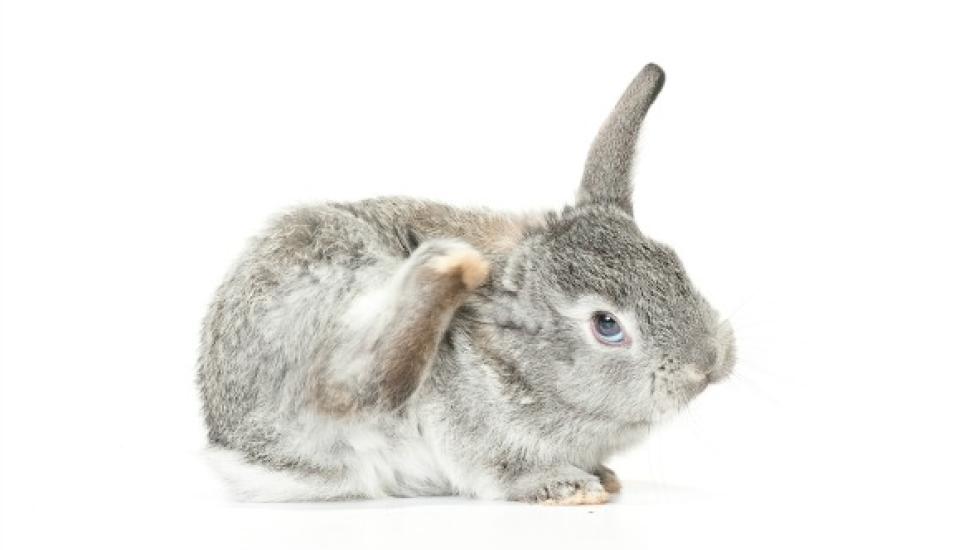
Pruritus in Rabbits Pruritis is the sensation that provokes the rabbit to scratch, rub, chew, or lick a certain area of its skin. This is often indicative of inflamed skin which can occur in any of the animal’s many dermal layers. The condition also affects the systems used to regulate skin secretions. Symptoms and Types Scratching Licking Biting Chewing Hair loss Self-injury Skin inflammation (i.e., redness, swelling, rash) Causes Skin tumors Parasites (e.g., ear mites, fleas, fur mites) Allergies (e.g., food allergy, medication allergy, etc.) Irritants (e.g., soaps, shampoos, bedding, harsh cleaning solutions) Diagnosis Because there are many conditions which cause animals to itch, each must be ruled out. For example, if cancer is suspected, a biopsy and needle aspiration of fluid will need to be taken. The veterinarian will also conduct blood, urine and cellular analysis of skin scrapings, as well as take X-rays of the rabbit’s brain and face. Treatment After identifying the underlying cause, the veterinarian will begin treatment. If allergies are thought to be the cause, they will prescribe antihistamines. Otherwise, sprays, ointments or gels for local application are given; sometimes a zinc oxide plus menthol powder is prescribed. However, it is important that during treatment the affected area should be kept clean and dry. Living and Management Sometimes the application of anything topically — soaps and products containing alcohol, iodine, and benzoyl peroxide — can worsen itching; plain cool water may be soothing in these cases. However, use extreme caution when bathing or dipping a rabbit into water, as it may become stressed and shake to the point of causing skeletal fractures. Also, prevent the rabbit or its cage mates from licking ointments/gels before they are dry, and watch for signs for toxicity in the rabbit(s).
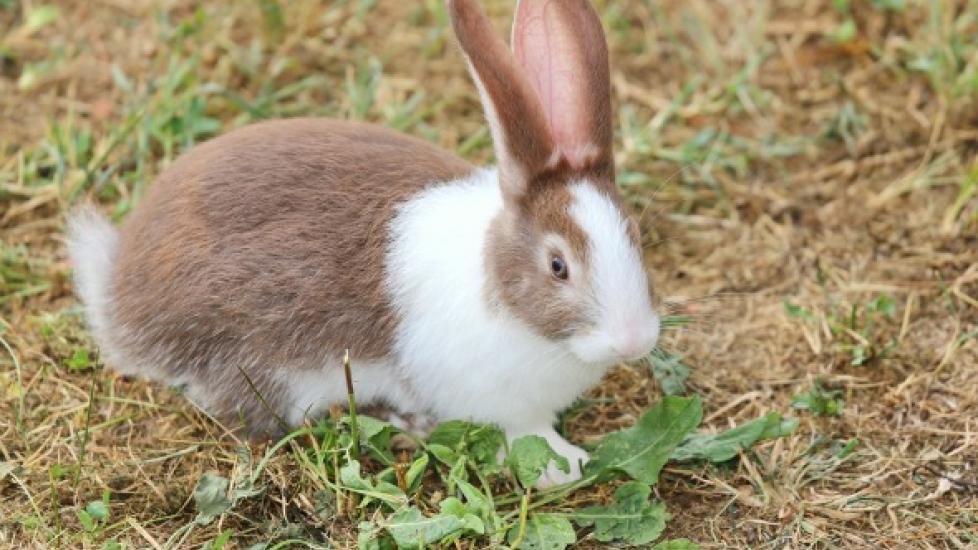
Otitis Media and Interna in Rabbits Otitis media and otitis interna are conditions in which there is inflammation of the middle and inner ear canals (respectively) in rabbits. It is most commonly caused by a bacterial infection that has spread from the external ear cavity into the inner ear. In the initial stages, the rabbit may feel nausea related to the ear infection and may demonstrate loss of appetite with refusal of food. It may also affect the rabbit’s nose and the throat if the infection spreads. The ears, the vestibular system (inner ear balance mechanism), the nerves in the ear area, and the eyes may all be affected. This is one of the most common disorders seen in pet rabbits overall, but lop-eared rabbits are more likely to show signs of otitis externa (inflammation of the outer ear). Symptoms and Types Symptoms are related to the severity and extent of the infection; they may range from none to mild discomfort to signs of nervous system involvement. Other common signs associated with otitis media and interna include: Sudden loss of balance, dizziness Head tilting to one side Lean or roll toward the affected side (this may appear similar to a seizure) Anorexia or teeth grinding due to nausea Reluctance to move, digging at the cage floor Pain – reluctance to chew, shaking the head, pawing at the affected ear, holding the affected ear down Facial nerve damage – facial asymmetry, inability to blink, discharge from eye, ipsilateral head tilt (tilting head on affected side) Discharge from ears, dry eyes, throat infection Causes If only one side is affected, it may be due to foreign bodies, trauma, and tumor. However, bacterial infection is the most common cause of otitis media and interna. Other underlying causes include: Candida, a fungal yeast Ear mite infestation Vigorous ear flushing can lave tissue irritated and susceptible to infection Impaired immune system (due to stress, corticosteroid use, concurrent disease, debility) also increases susceptibility to bacterial infections Ear cleaning solutions may be irritating to the middle and inner ear (avoid using any internal medications of fluids if the eardrum is ruptured) Diagnosis There are several causes for ear infection, and your veterinarian will need to distinguish from other causes of head tilt and rolling episodes. You will need to provide a thorough history of your rabbit’s health leading up to the onset of symptoms. A complete blood profile will be conducted, including a chemical blood profile, a complete blood count, and a urinalysis. Your doctor will also take a tissue sample. The results of these tests may show an underlying bacterial infection that has migrated to the ear, a fungal yeast infection, or the presence of parasites. Visual diagnostics may include X-rays of the ear and face region to look for evidence of foreign materials that have gotten lodged in the ear canal, or tumors that are blocking the canal. A computed tomography (CT) can be used for better resolution and visualization if the X-ray does not give your doctor enough information. Treatment Inpatient treatment will be advised if the infection is severe, or when neurological signs are seen. Fluid and electrolyte therapy will be given until the rabbit stabilizes, with bacteria specific antibiotics administered orally, and also applied directly in the ears if the eardrum has not ruptured. Antifungal medications will be administered of the infection is found to be caused by yeast. If the ear canal or eardrum has been severely damaged, it is possible that surgery will need to be performed to remove the ear canal. Your rabbit will be discharged from inpatient care once it is stable, or if the infection was not severe, your doctor will prescribe the appropriate medications for you to administer at home. Generally, a warm saline solution can be used to clean and disinfect the ears, followed by gentle drying with a swab. Unless your veterinarian has instructed you otherwise, you should not put any solution or material inside the rabbit’s ears.

Septic Arthritis in Rabbits Arthritis is the general medical term for inflamed joints. Septic arthritis, on the other hand, is a condition that occurs when bacteria infects one or more of the rabbit’s joints. There is no age, breed, or gender predisposition for septic arthritis in rabbits. Symptoms and Types Sluggish behavior Lameness Anorexia Joint pain and swelling Warmth emanating from the joints Decreased range of motion Signs of infection (e.g., urinary tract infection or dental disease) Causes Pyogenic bacteria causes septic arthritis. There are many types of pyogenic bacteria, including staphylococci, pasteurella, and anaerobic bacteria (which can survive without oxygen). These bacteria may lead to an infection in the body and can also migrate to the joints, where they cause septic arthritis. There are some characteristics that may put an animal at higher risk for developing septic arthritis. These include long-term (chronic) cases of bacterial infection, traumatic injuries to the joints, and immunosuppressive disorders (immune system does not function properly). Some other sources of infection may include dental disease, an infection of the upper respiratory tract, or a wound. Diagnosis A rabbit with a history of upper respiratory tract infection, dental disease, or previous traumatic wound – such as bite wound – may suggest septic arthritis. If septic arthritis is suspected, a number of tests can be done by the veterinarian. An analysis of fluid taken from around the joints (synovial fluid analysis) may reveal characteristics of septic arthritis, such as an increased volume of fluid or the presence of bacteria. These fluid samples are submitted for testing so the type of bacterium may be pinpointed and treated accordingly. Alternate tests include X-rays and a urine analysis. Treatment When treating the rabbits, it is essential to treat the primary cause in order to cure septic arthritis. In most cases, antibiotics are prescribed to fight the infectious agent, although sometimes surgery is required. Living and Management There are a few things you can do to make your rabbit more comfortable and improve its condition. Soft bedding, for instance, can help increase the time of recovery from surgery. And activity should be restricted until the pet’s symptoms have resolved. It is also essential to ensure that the rabbit is eating throughout recovery; offer fresh foods such as moist greens and good-quality grass hay. If the veterinarian prescribes medication, follow the instructions carefully. In particular, antibiotics are generally administered long-term. There is also a danger of residual degenerative joint disease — a chronic condition that causes the cartilage surrounding the joints to deteriorate – as a result of septic arthritis. Prevention Because of the many causes which lead to septic arthritis in rabbits, listing all the preventative measures would be impossible. However, it would be wise to keep the rabbit safe and away from potentially dangerous situations to avoid wounds; also, clean its cage regularly. Featured Image: iStock.com/Tammi Mild
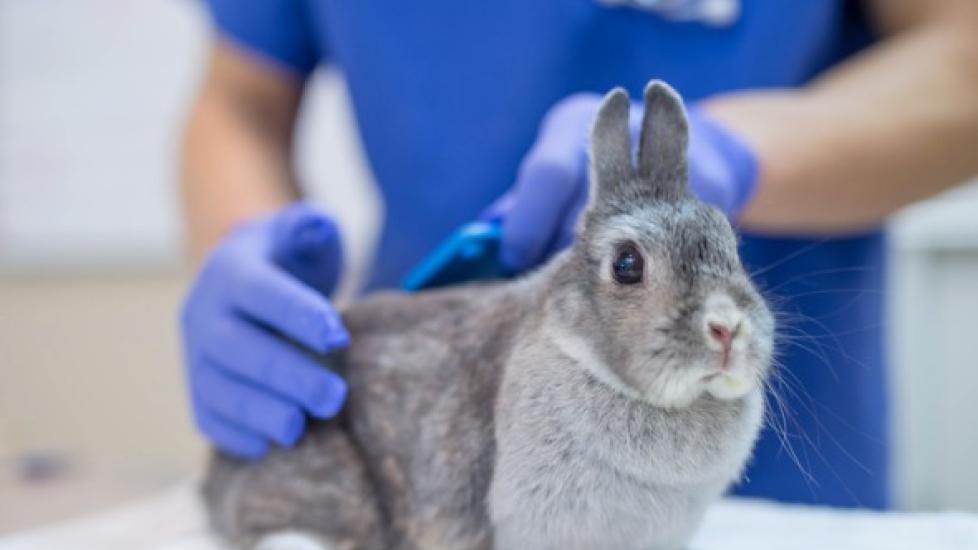
Treponematosis in Rabbits Treponematosis is a sexually transmitted infection in rabbits that is caused by a bacterial organism called Treponema paraluis cuniculi. This bacterium is spread by sexual contact between rabbits, from direct contact with lesions from another animal, and from mother to newborn during development or birth. This bacterial organism is closely related in form and character to the human species Treponema pallidum (syphilis), but is confined to rabbits; it is not transmissible between species. If this infection is caught early, before systemic damage can occur, it can usually be treated successfully with antibiotics. Symptoms and Types The signs and symptoms of treponematosis are varied and may include the following: History of swelling and redness around the vulva or anus, lips and nose History of possible abortion or loss of pregnancy, long and difficult deliveries, or appearance of stress during pregnancy Swelling early on of the area near and around the genital regions, the eyes, and around the grooming regions Lesions are often on the face only Raised bumps and crusting on the skin surface Causes Treponematosis comes from the bacterial species Treponema cuniculi and is spread through direct contact with the organism. It is possible for the disease to be in a latent stage, and for the infected rabbit to pass the disease on to other rabbits, even though the infected rabbit is not showing any apparent symptoms. Therefore, it is not always possible to determine with a normal inspection whether a potential breeding partner is infected before allowing sexual contact between the two rabbits. If you have recently bred your rabbit, or your rabbit has been paired with a different sexual partner, there is a possibility that your rabbit has come into contact with an infected partner. Conversely, infection can also be seen in younger animals that may not have had sexual contact and thus may have caught the infection congenitally/in utero, or through direct contact with the lesions in the passage of the birth canal. Diagnosis To formally diagnose your rabbit’s condition, your veterinarian will need to rule out other conditions that might cause similar symptoms, such as ear mites. Some of the common outer symptoms, such as dry crusts that form with excessive saliva in and around the face, matting of hair around the face, and lesions around the face, will need to be closely inspected, with fluid and tissue samples taken for biopsy. Along with the thorough physical exam, your veterinarian will need you to give a thorough history of your rabbit’s health and onset of symptoms. Your doctor’s initial diagnosis will take into account the background history of symptoms and possible incidents that might have led to this condition. If the final diagnosis is treponematosis, all of the rabbits that have come into contact with the infected rabbits will need to receive medical treatment. Treatment Treatment in the form of a topical treatment is necessary. It is also necessary to keep the lesions clean and dry to help them heal quickly. While this is not always necessary, it can help speed the recovery. A simple topical (external) antibiotic can also be used to speed healing. Only medications that can be applied topically may be used, as oral applications can be fatal, unless your veterinarian advises otherwise. Your rabbit will require follow-up monitoring and care to ensure complete resolution of the symptoms. Living and Management It is important to follow-up with your health provider to ensure the rabbit avoids exposure to other rabbits that may still carry this infection, which can result in recontamination, and to avoid infecting other animals until your veterinarian is confident that your rabbit is clear of the Treponema cuniculi bacteria. If you have other rabbits, there is a good possibility that they are also infected and should also receive treatment. Even if they are not showing symptoms, your veterinarian may choose to err on the side of prophylactic treatment to avoid further complications. The prognosis for rabbits with treponematosis is excellent provided treatment commences immediately and that all rabbits with the T. cuniculi infection receive treatment promptly. Featured Image: iStock.com/FatCamera
In This Article Summary View 6 More +

In This Article What Can Rabbits Eat? View 4 More +
In This Article General Care View 5 More +

What Is a Horse Whisperer? Your Guide to Natural Horsemanship

The 5 Best Winter Dog Sports and Activities to Try With Your Pup