Rabbit UTI (Urinary Tract Infection)
In This Article Summary View 6 More +


Rabbits
In This Article Summary View 6 More +
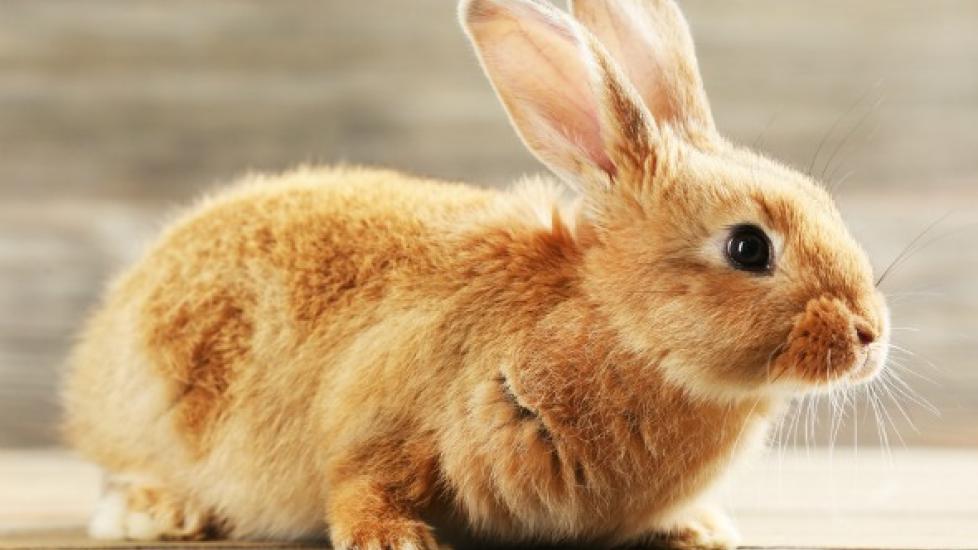
Abscess in Rabbits An abscess is a localized collection of pus contained within a capsule-like lump under the skin. Unlike those of cats and dogs, abscesses in rabbits usually do not burst and drain fluid. These abscesses can grow very quickly, often extending into the surrounding soft tissue and bone. Abscesses are extremely common in pet rabbits and are the most common cause of swelling beneath the skin. There is no certain age or sex more susceptible to abscesses, although dwarf and lop-eared rabbits are believed to be predisposed to abscesses and dental disease. Symptoms and Types An abscess is usually the secondary symptom of another health problem, thus symptoms will vary, depending on the primary cause. For example, if the abscess is a result of dental disease, additional symptoms may include discharge from the nose or eyes, anorexia, and depression. A physical examination by a veterinarian is necessary to detect additional symptoms and diagnose the exact cause. Causes There are many causes that can lead to the presence of abscesses. One primary cause is dental disease resulting from food lodged in the teeth or gums. Another cause is bacterial infection such as fusobacterium nucleatum. These cases are often related to dental disease or abscesses in the mouth. There are many other types of bacteria that lead to abscess, including pasteurella multocida, staphylococcus aureus, and streptococcus spp. Bites and foreign objects piercing the skin also lead to abscesses. Some risk factors can increase the odds of developing abscesses. For example, elongated cheek teeth (known as mandibles) may develop from a diet lacking rough feed, and may lead to the formation of abscesses. Diagnosis The exact diagnostic procedures undertaken will depend on the location of the abscess and any other symptoms. For rabbits with facial abscesses, a thorough oral examination is crucial for diagnosis. Another common diagnostic procedure is to take a tissue sample from the affected area and test for bacterial infection. Further tests may include urine analysis, X-rays, and ultrasounds to see if other organs are affected. Treatment Treatment will depend on the abscess’ location and the underlying cause. But the rabbit may be treated at home with antibiotics, if a bacterial infection is to blame or if the case is mild. For more serious cases, surgical removal of the abscess and hospital care may be necessary. Living and Management Activity should be restricted until all tissues have been properly healed. The patient should be monitored after treatment, and follow up visits to the veterinarian — especially if surgery was performed — are a necessity. Any prescribed medications should be administered on a regular basis. Prevention In some cases, abscessation can be prevented in rabbits. Providing high-fiber foods and good quality hay, and periodically trimming overgrown crowns in the mouth may prevent dental disease. Joint and feet abscesses may be avoided by providing clean, solid surfaces in the animal’s home habitat. A generally healthy diet and lifestyle is also advised.

In This Article What Is Secondhand Smoke? View 5 More +
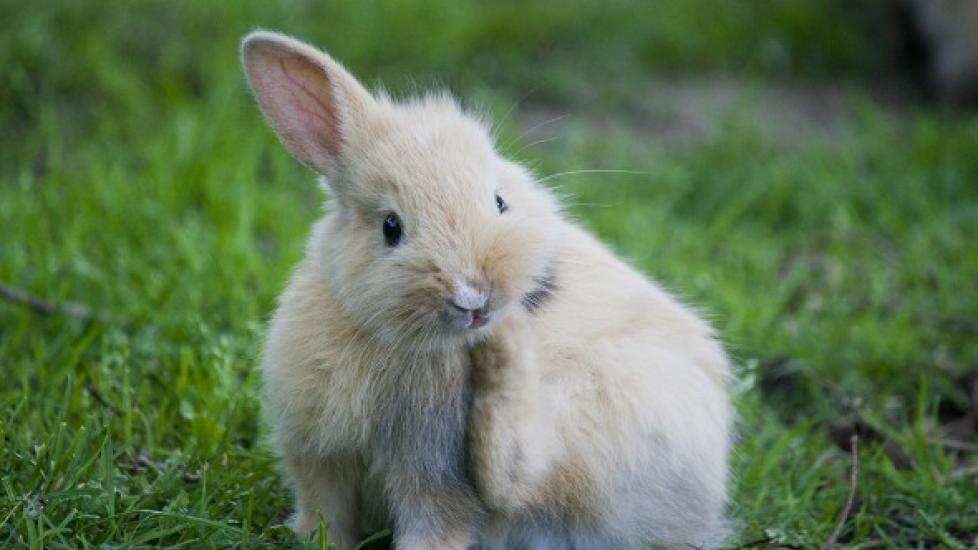
Fleas and Flea Infestation in Rabbits Flea infestation occurs as the result of the common flea inhabiting the body of the rabbit and reproducing. The occurrence varies with weather conditions, and clinical signs will depend on each animal’s individual reaction to the infestation. Because fleas feed on blood, heavy infestations may cause anemia (low hemoglobin in the blood due to loss of blood), especially in young rabbits. Rabbits can also develop a hypersensitive reaction to fleabite, with excessive scratching and itching that can sometimes lead to lesions on the skin’s surface and skin infections. Symptoms and Types Some rabbits will not show any symptoms when suffering from a flea infestation, but many more others will display one or many of the following symptoms: Self- biting or chewing Excessive scratching, licking Visible bite marks or evidence of fleas (e.g., larvae, flea dirt, etc.) Hair loss Scaling on the skin Pale mucous membranes, increased heart rate (in anemic animals) Secondary bacterial infections ( sometimes seen) Causes Fleas are more common in some climates and during particular seasons, but they can affect rabbits year-round. Moreover, fleas can jump from one pet to another, such as from dogs or cats. Diagnosis Although flea infestation can be easily apparent by the presence of the insects on your rabbit’s body, your veterinarian may want to differentiate the insects from ear mites, skin mites, or other parasites. If your rabbit has symptoms of severe itching (biting, licking, scratching at self), your veterinarian will also want to differentiate the reaction from other allergic reactions, infections, or reactions to injections, if any have recently been given. For diagnosis of flea infestation, your doctor will do a flea combing; fleas and/or flea dirt are usually found in affected rabbits. An analysis of skin scrapings will determine whether bacterial infections or other skin parasites are present. A study of discharge from the ear, meanwhile, will confirm whether an ear infection is affecting your rabbit or whether ear mites are present. And a complete blood profile will be conducted as part of a standard physical examination. This will include a chemical blood profile, a complete blood count, and a urinalysis. If your rabbit is suffering from a condition of anemia, this will be determined and treated quickly. Treatment Eradicating and controlling exposure to fleas is currently the only means of therapy. You will need to treat all animals in the household as well as the household environment, and if possible, the environment outside of the home. Sprays and fumigators can be used to treat the living environment, both indoors and outdoors, but you will need to remove your pets and family members from the home before applying these chemicals, as they can be severely toxic for some animals and individuals. There are specific powders and ointments that are made to kill fleas. Typically, boric acid, diatomaceous earth, and silica aerogel can be very safe and effective, as long as they are applied properly following the manufacturer’s recommendations, but you may want to consider checking with your veterinarian before choosing a specific skin treatment. There may be some medications that are not indicated for your rabbit’s particular age or size. Antibiotics may also be necessary for treating severe skin infections that have resulted from the flea infestation. Living and Management Use extreme caution when dipping or bathing rabbits in medicated flea-killing shampoos. Due to the high risk of skeletal fractures and excessive chilling, sudden death may occur. If you are applying topical spot-on products, make sure that the product has dried before allowing your rabbits freedom to groom themselves of their mates. The fleas and flea dirt should decrease with effective flea control. Itching and hair loss should decrease with effective flea control; if signs persist you will need to return to your veterinarian for an evaluation of other causes. Instill measures for flea control for all other pets in the household, especially dogs and cats. If you are living in a year-round warm climate, be especially cautious of flea infestation all year long, beginning aggressive flea control as early as April or May. Secondary bacterial infections and adverse reactions to flea-control products may occur. If any signs of toxicity are noted or if your rabbit should show any signs of behavioral or physical change, you should bath the rabbit thoroughly to remove any remaining chemicals and treat the rabbit appropriately.
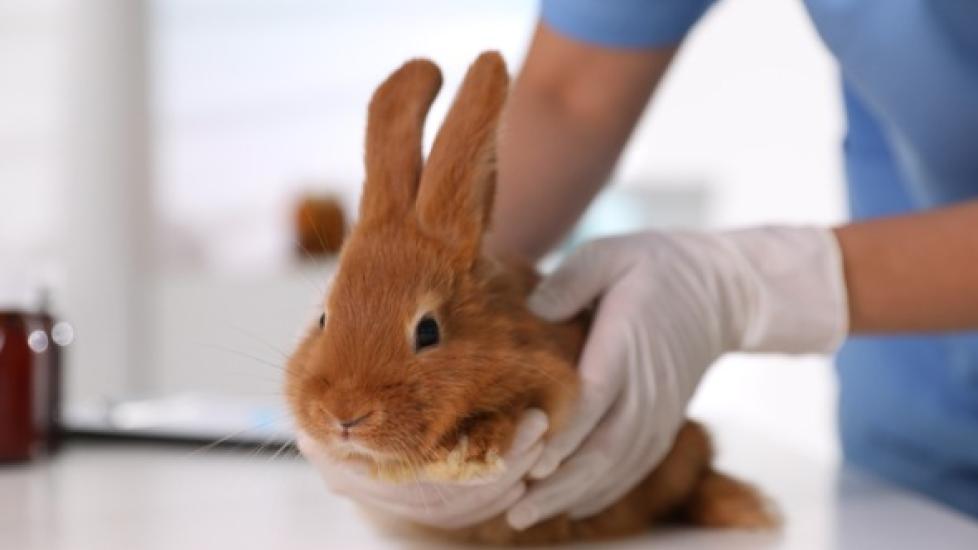
Pyometra The medical term for an infection in the rabbit’s uterus is pyometra. This and other reproductive (or non-neoplastic endometrial) disorders, including the growth and bloating of the uterus, are common among small animals like rabbits and ferrets. Symptoms Typically, a rabbit with pyometra will have blood in its urine originating from the uterus. It may come intermittently or follow the animal’s reproductive cycles. Some other symptoms include: Paleness Increasingly aggressive behavior Signs of a systemic illness (e.g., shock or blood infection) Fluid buildup in the uterus Signs of a pseudo-pregnancy Stillborn pregnancies or infertility Cause The endometrium functions as the lining of the uterus. Fluid can build up along its walls, often for various reasons including age, uterine cancer, tissue overgrowth (associated with the buildup of cysts), or bacterial overgrowth, as in the cases of Chlamydia and Listeria monocytogenes. Diagnosis To diagnose the rabbit, your veterinarian will first rule out obvious causes for abdominal distension including pregnancy or carcinoma of the uterus. The veterinarian will also note such clinical abnormalities as elevated levels of certain blood markers or decreased blood counts. For example, some rabbits may have anemia or low iron. Treatment Often, treatment begins with supportive care. This may include providing antibiotics for the rabbit or, in the case of massive hemorrhaging, providing blood transfusions for the animal. Some animals require dietary changes such as the addition of fresh greens (i.e., collard greens, spinach and dandelion greens). Many rabbits will eat these types of greens, even if they refused food prior to the diagnosis. High-fat and high-carbohydrate foods are not recommended, as these can contribute to poor health and even worsen the rabbit’s symptoms. Some rabbits require surgical treatment. For example, removing the animal’s ovaries through a hysterectomy has shown some success in treating pyometra or other uterine disorders. Occasionally, ovarian abscesses or bacterial growths will be found in the rabbit’s uterus. Those should also be removed surgically. Aside from antibiotics, your veterinarian may prescribe nonsteroidal anti-inflammatory drugs (NSAIDs) to help with the rabbit’s pain and inflammation. Living and Management Pyometra is treatable if addressed early on, however, if it is not, complications can arise including blood infections and gum or dental disease. Also, if the rabbit has undergone surgery to treat the pyometra, it may contract a postoperative infection or have bouts of hemorrhaging. Therefore, if any of these complications should arise, bring the rabbit back to your veterinarian for a follow-up exam. Featured Image: iStock.com/Liudmila Chernetska

We all want to be prepared for emergencies, and that includes pet emergencies. But for rabbit owners, being prepared is especially important because it is often hard for them to find local emergency veterinarians trained in rabbit care. Thus, it is critical for rabbit owners to be as prepared as possible for emergency, as the burden may be upon them to be the first line of care if their rabbit becomes ill or injured. What Emergency Rabbit Care Supplies Should You Have on Hand? Certainly, if your pet rabbit is sick or hurt, the most important thing you can do is to notify your veterinarian immediately. However, if your local animal hospital is far away, or if it is after business hours, you should have a first aid kit prepared to provide emergency rabbit care in case you need to. Here’s what you should have in your kit. Small Pet Carrier Perhaps the most important item in your kit is a safe, securely locking small pet carrier for transport. Many carriers are commercially available for bunnies that are constructed to enable you to safely move your rabbit from place to place. Having a small pet carrier on hand will allow you to safely take your rabbit with you if you must evacuate your home unexpectedly or get your pet to the animal hospital quickly. Your small pet carrier should have strong, vented, hard-to-chew plastic sides, an easily cleaned floor and a locking door. It should also be big enough to house your rabbit without him feeling cramped or uncomfortable. Towel The next item you should have in your emergency kit is a soft towel to line the floor of the carrier. The towel should be folded and placed on the bottom of the carrier so that your bunny doesn’t slide around in the carrier and become injured. A towel also will help keep your rabbit warm if you must transport him in cold weather. You should also have a larger towel or blanket to wrap around the vented carrier in inclement weather to prevent wind, rain or snow from entering the carrier. Feeding Syringe and Formula Other items you should definitely have in your emergency rabbit care kit are a feeding syringe and feeding formula. Rabbits are notorious for not eating for a variety of reasons, including dental problems, stress in their environment, gastrointestinal (GI) gas and a host of other issues. When they don’t eat, rabbits are prone to developing a potentially life-threatening illness called GI stasis in which the passage of food through their GI tract slows. Once this happens, the normal GI bacteria that ferment and digest their food are replaced by gas- and toxin-producing bacteria, which produce excessive gas. That excess gas causes rabbits pain and makes them not want to eat even more. Thus, a vicious cycle is established. Regardless of the primary reason for their not wanting to eat, it is critical that the normal movement of food through the GI tract be reestablished so that the rabbits don’t absorb bacterial toxins, become dehydrated and die. For your emergency rabbit care kit, you should ask your veterinarian for a large feeding syringe and feeding formula made for herbivores. This will prepare you if your pet stops eating and you need to syringe-feed him before GI stasis develops. Antiseptic Solution From Your Veterinarian In addition to feeding formula, you should ask your veterinarian for an antiseptic solution, such as diluted chlorhexidine (typically one part of solution with 20 parts of water). This antiseptic solution can be used to clean minor wounds in your rabbit’s skin. Rabbit skin is particularly thin and tears easily when scrubbed, so you should be sure not to be overly aggressive in cleaning small wounds. You should also alert your veterinarian to all wounds you notice on your pet to be certain that no further treatment is necessary. You should attempt to clean only the most minor wounds and only when you can’t get your bunny to the veterinarian quickly for assessment. Never attempt to treat a large wound on your animal, but instead, have him examined by a veterinarian as soon as possible. Styptic Powder You should also have styptic powder in your rabbit’s emergency kit. Styptic is useful in cases where your rabbit breaks a toenail and it starts to bleed. Styptic typically comes in either a powder or stick form. The powder form can be sprinkled onto a bleeding nail tip after excess blood has been blotted from the nail. A styptic stick can be used gently on the affected area once it has been blotted. Styptic should never be applied to open skin wounds, as it is caustic, and rabbits should be prevented from licking it, as it can be toxic if ingested. A few minutes after styptic has clotted a bleeding nail, the toe can be flushed gently with water to rinse off the remaining styptic so the bunny doesn’t lick it. If you cannot stop a broken rabbit nail from bleeding, even after applying styptic and steady pressure on the cut nail with a paper towel, gauze or cotton ball, you should get your bunny to the veterinarian immediately. Saline Eye Wash Another item you should have on hand for a rabbit emergency is over-the-counter, unmedicated saline eye wash. This can be used if your rabbit gets something (such as a piece of hay) stuck in his eyes. It can also be used if a bunny has a buildup of eye discharge in or around the eye. Rabbit owners who notice discharge from their rabbits’ eyes or excessive redness of their eyelids should have them checked out by a veterinarian as soon as possible. Portable, Battery-Operated Fan In case of emergency, you should also have a small, portable, battery-operated fan. Rabbits are very prone to overheating, especially at temperatures greater than 80 degrees Fahrenheit. Therefore, it is helpful to have a fan to blow cool air on your bunny when it’s hot outside. If the rabbit is weak, panting or falling over in the face of high temperatures—all signs suggestive of overheating—you should contact your veterinarian and take them to the vet immediately. Card With Emergency Contact Information Finally, the last item you should have readily available in case of a rabbit emergency is the name, address and phone number of your regular veterinarian and a local emergency clinic that is comfortable caring for rabbits. No owner can be prepared for all emergencies, but by having a few simple items on hand ahead of time, you can be as ready as possible to deal with an unexpected rabbit emergency. By: Dr. Laurie Hess, DVM, Diplomate ABVP (Avian Practice) Featured Image: iStock.com/Artfully79

In This Article How to Hold a Rabbit View 3 More +

Rabbits are active, intelligent, and social animals that can make excellent companions. All rabbits require a suitable environment, a healthy diet, fresh water, daily exercise, and social interactions with pet parents or other rabbits. While rabbits can make excellent pets, it is crucial to educate yourself about their care. They have specific dietary, housing, and medical needs—all important factors which contribute to their longevity. Lifespan of Rabbits Male rabbits are called bucks, female rabbits are called does, and rabbit babies are called kits. There are at least 60 different rabbit breeds with an average lifespan of seven to 10 years. The oldest rabbit ever recorded lived to 18 years and ten months. Rabbits in the wild can live anywhere from one to nine years of age due to predators, habitat loss, and being hit by cars. Stages of a rabbit’s life include the following: Gestation averages 30–33 days Average litter size: one to six kits Kits open their eyes at about ten days and are fully weaned between 4–8 weeks Puberty starts between 3–5 months of age Does are fully mature around 7–8 months of age Bucks are fully mature around 8–9 months Smaller dwarf breeds can reach sexual maturity between 4–4.5 months of age Senior rabbits are between ages 5–8 years old, depending on the breed Generally, spayed or neutered rabbits live between 8–12 years of age. Unspayed female rabbits have a high risk for uterine cancer and often have a shorter lifespan. Genes also play a role in how long rabbits live. For example, Lionhead breeds can live on average seven to nine years, whereas Flemish Giant breeds may live five to eight years due to health issues but can exceed these averages. When obtaining a rabbit of a specific breed, it is essential for pet parents to research common health issues and discuss with your veterinarian. What Makes Some Rabbits Live Longer Than Others? Regardless of your rabbit’s breed, providing them with a suitable environment, healthy diet, daily social interactions, and exercise is vital. Spaying female rabbits to prevent uterine cancer can significantly extend their life expectancy. In addition, keeping your rabbit indoors safe from predators, extreme weather, and contagious diseases like Rabbit Hemorrhagic Disease Virus can keep them happy and healthy for much longer. In general, your rabbit needs: Unlimited timothy or alfalfa hay based on age, fresh greens, a small number of pellets, and fresh water Daily social interactions with you or another rabbit Routine medical examinations by your veterinarian Proper housing Safe toys and exercise to keep them mentally and physically stimulated How to Improve Your Rabbit’s Lifespan Here are some tips to follow for rabbit pet parents who want the best for their pet: Take your rabbit to the vet every six to 12 months for routine examination and dental checkup Feed unlimited amounts of high-quality grass hay to your adult rabbits such as timothy, orchard grass, oat, or meadow hay Alfalfa hay contains more calcium, fat, and protein and should only be fed to young rabbits and lactating or breeding rabbits Feed high-quality rabbit pellets at 1/4 cup per 5 pounds of body weight per day Feed only a small amount of treats Offer safe vegetables and fruit in moderation Offer new clean potable water daily Allow a minimum of four hours of exercise per day where your rabbit can run around, hop, and play Provide a large enclosure at least four times the size of your rabbit Maintain an environment that is between 60–75 F at all times Clean water and food containers daily Spot-clean the litter box and bedding daily and deep clean everything once a week Provide 1–2 inches of paper bedding in their cage and thick yoga mats or rugs in other areas to prevent pododermatitis or foot sores which can be very painful for your rabbit Provide rabbits with mental enrichment like cardboard boxes and tubes, untreated non-cedar wood chew toys and sticks, hard plastic baby/cat/bird toys, dig boxes, tunnels and platforms Rabbit-proof your home to keep your pets safe from chewing on electrical cords, toxic plants, walls, and baseboards If you see any concerning signs like weight loss, drooling, diarrhea, lethargy, decreased appetite, or fecal pellets, contact your veterinarian right away
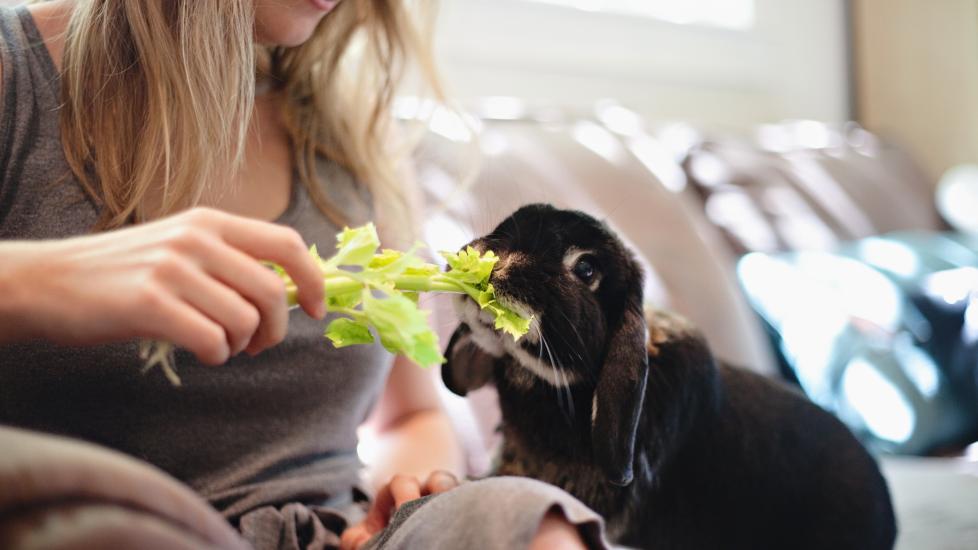
In This Article Is Celery Good for Rabbits? View 5 More +
In This Article Summary View 6 More +


What Is a Horse Whisperer? Your Guide to Natural Horsemanship

The 5 Best Winter Dog Sports and Activities to Try With Your Pup