Lice in Rats
In This Article Summary View 6 More +


Small pet
In This Article Summary View 6 More +
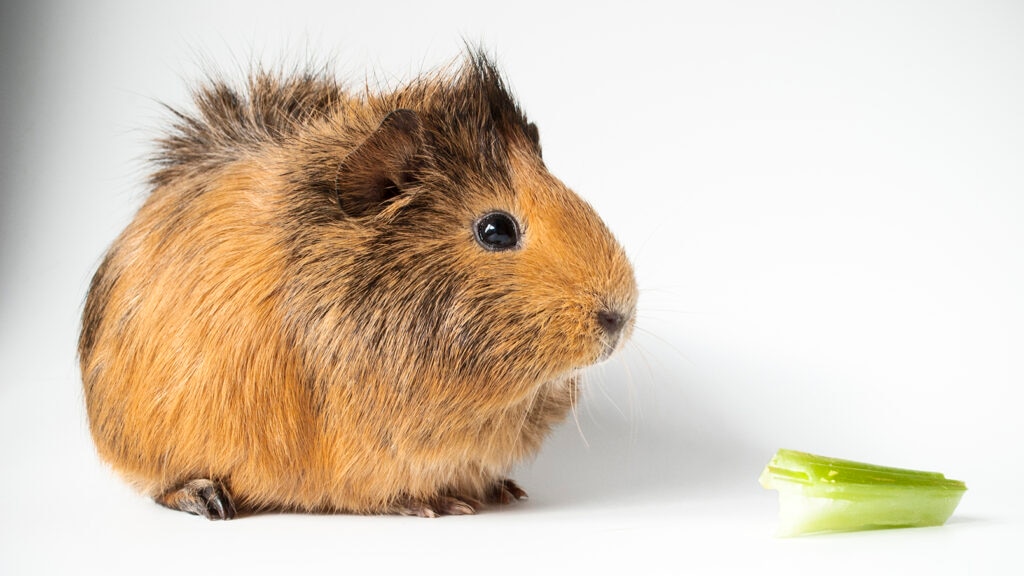
Guinea pigs may be small, but their nutritional needs are surprisingly complex. Most of their diet should be hay, which provides many of the nutrients they need. But can guinea pigs eat celery too? Yes, they can—but with some caveats. Guinea pigs have sensitive digestive systems, so it’s best to introduce new foods—especially fresh vegetables—slowly, paying close attention to portion sizes. Here’s what to know about the benefits and risks of celery and how it can fit into a healthy diet. Before introducing any new food into your guinea pig’s diet, always check with your veterinarian.
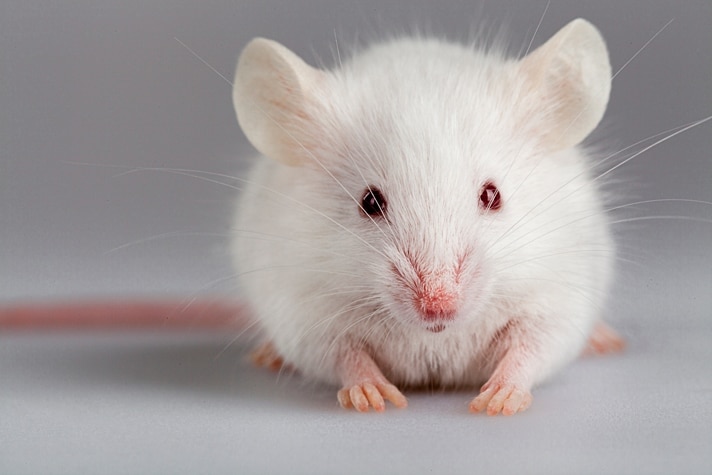
Because many etiologies can lead to similar signs of disease, it is impossible to decide what is causing the circling you are seeing in your mouse because so many causes look exactly the same. This could be a bacterial infection, a viral infection, a benign tumor, a malignant tumor, a toxin, a genetic disorder or even degenerative disease. And these conditions can be in the middle or inner ear or in the brain. With so many possible causes, a physical examination is needed to best figure out what part of the anatomy is being affected. Why is this important? If this is an infection in the ear, one class of medication may be useful, whereas if this infection is in the brain, a different class of medication will be effective. You bring up a great question about antibiotics, specifically tetracycline, which you can purchase over the counter for any animal, even though it is designed to be used for fish. Due to a loophole in regulations, a few antibiotics are available without a prescription. It is dangerous to use these medications on our small mammals. Tetracyclines can cause gastrointestinal disruptions. And if you use it incorrectly — too much, too little, stop too soon, use it too long — you can contribute to bacteria that become resistant to this and other antibiotics. This is a serious problem in both animal and human medicine. Tetracyclines are a poor choice for most infections in pet mammals, so it is never a good idea to use this medicine, even if you can get it without a prescription.,Q:
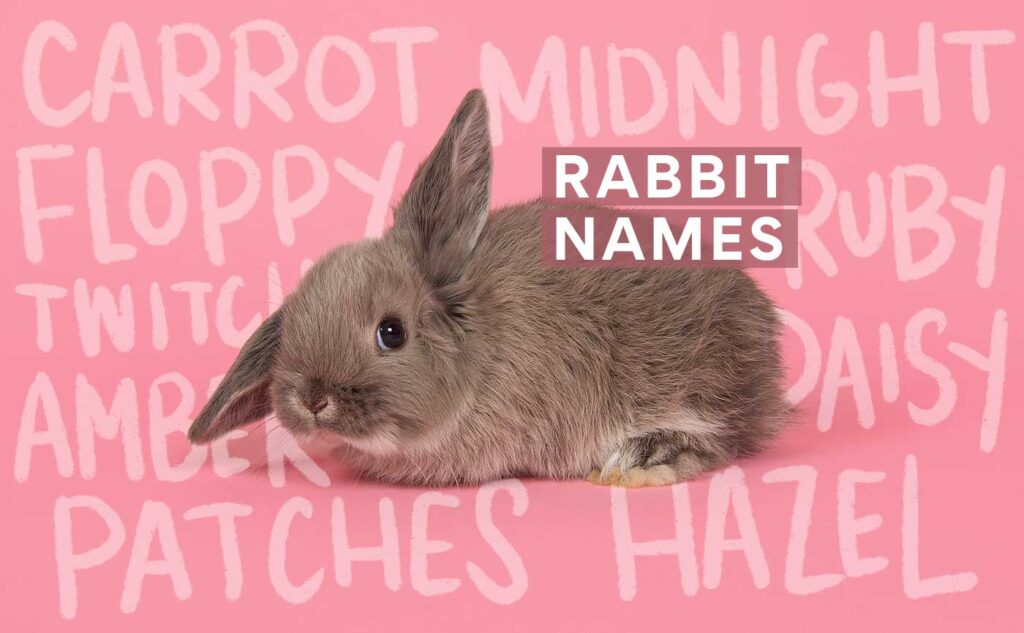
So you’re the parent to a new pet rabbit. Congrats! You have all the essentials for taking care of a bunny and you’re excited to welcome this newcomer with floppy ears and a twitchy back leg. There’s just one thing left to do: Pick out the best rabbit name. Whether you’re looking for a punny bunny name, a pop culture reference or just something that perfectly suits their vibe, we’ve got you covered with this list of over 200 rabbit names. Let your new rabbit companion hang with you on the couch while perusing this list of the best bunny names. (Getting a hamster, ferret, chinchilla, or another small fella? Check out our ultimate small animal names list.)
Hyperadrenocorticism Ferrets suffer from various hormonal disorders. And since ferrets mature sexually quickly — as young as four months of age — these disorders tend to show early in life. In hyperadrenocorticism, the adrenal cortex overproduces the ferret’s sex hormones — progesterone, testosterone, and estrogen. This occurs in ferrets not yet spayed (or neutered) and at any age. Symptoms and Types The most common sight seen in ferrets affected by hyperadrenocorticism is hair loss, which begins on the tail and rump and progresses up the body, towards the head. In female ferrets, a swollen vulva and enlarged nipples may be seen. Male ferrets, on the other hand, develop an aggressive behavior and have difficulty urinating because of the enlarged prostate gland. This disorder may sometimes severely elevate the level of estrogen in the blood, causing bone marrow suppression and a deficiency of blood cells, which can lead to several blood disorders. Hyperplasia, adenoma, and adenocarcinoma are three grades of hyperadrenocorticism. The hormonal disorder begins as growth of cortical tissue, goes on to become a tumor and, if untreated, develops into cancer. The cancerous cells, however, do not usually spread outside the adrenal gland.
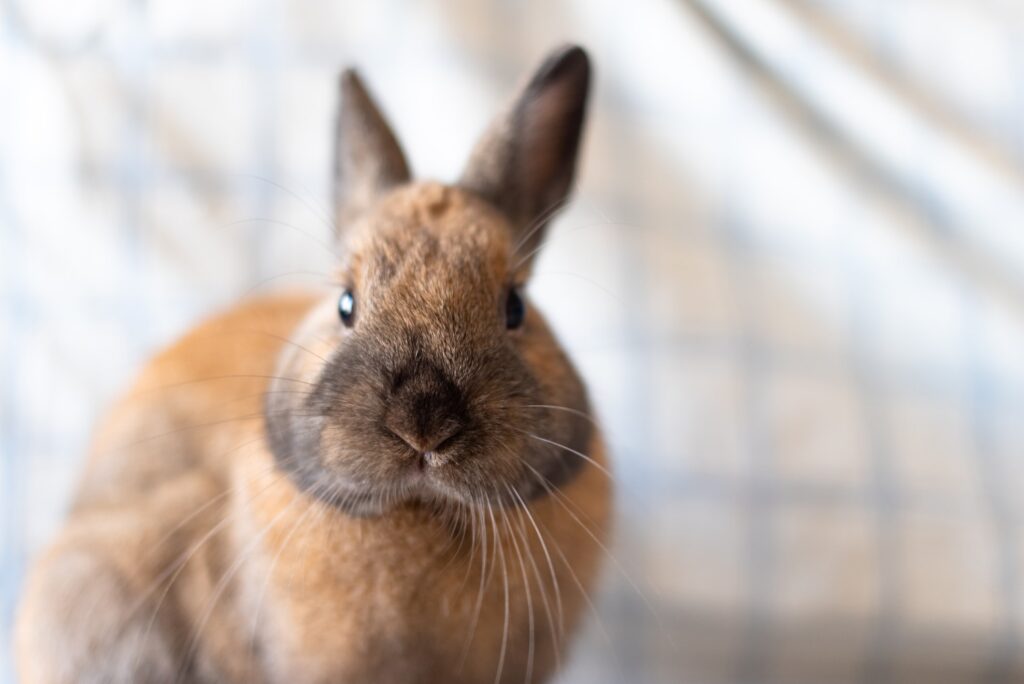
The typical costs of buying a rabbit from a reputable, ethical breeder can range from $885–$1,490, says Jennifer Lee, executive director at San Diego House Rabbit Society in San Diego. If you’d like to adopt a rabbit from a shelter or rescue, fees may cost anywhere from $85–$450. The cost of a rabbit depends on a breeder’s reputation, location, and the type of rabbit. You can find a responsible breeder who prioritizes the breed’s health and well-being through the American Rabbit Breeders Association (ARBA). Shelter and rescue rabbit adoptions typically cost much less, in part because demand for bunnies is typically lower than for other rescue animals, such as dogs or cats.,Jump to section How Much Does Buying or Adopting a Rabbit Cost? Up-Front Costs of Owning a Rabbit Rabbit Costs Over Time
Canine Distemper in Ferrets Canine distemper virus (CDV) is a very contagious, fast acting disease that affects many different body systems in ferrets, including the respiratory, gastrointestinal and central nervous systems. It belongs to the Morbillivirus class of viruses, and is a relative of the measles virus, which also affects humans. Canine distemper is not only the most common viral infection in ferrets, it is also the deadliest. Symptoms and Types The virus has an incubation period of seven to ten days, after which the ferret will display various symptoms. At first, the ferret will be feverish and have a rash in the chin and groin area, followed by a lack of appetite and a thick mucus or pus discharge from the animal’s eyes and nose. Other symptoms include: Sneezing Coughing Vomiting Diarrhea Brown crusts on the face and eyelids Hardening (and swelling) of the skin along the nose and footpads Canine distemper may also spread to the ferret’s nervous system, causing seizures and loss of coordination in the animal.
Coughing is fairly common among ferrets, or at least as much as it is in other animals. Formally defined as forceful exhalations of air through the glottis or mouth and throat, a cough may be brought on by a variety of factors, either automatic or inspired. Symptoms and Types Sneezing Scratchy and/or irritable esophagus Clearing of breathing passage (sometimes with mucous or blood, which may indicate a coexisting condition that requires immediate attention)
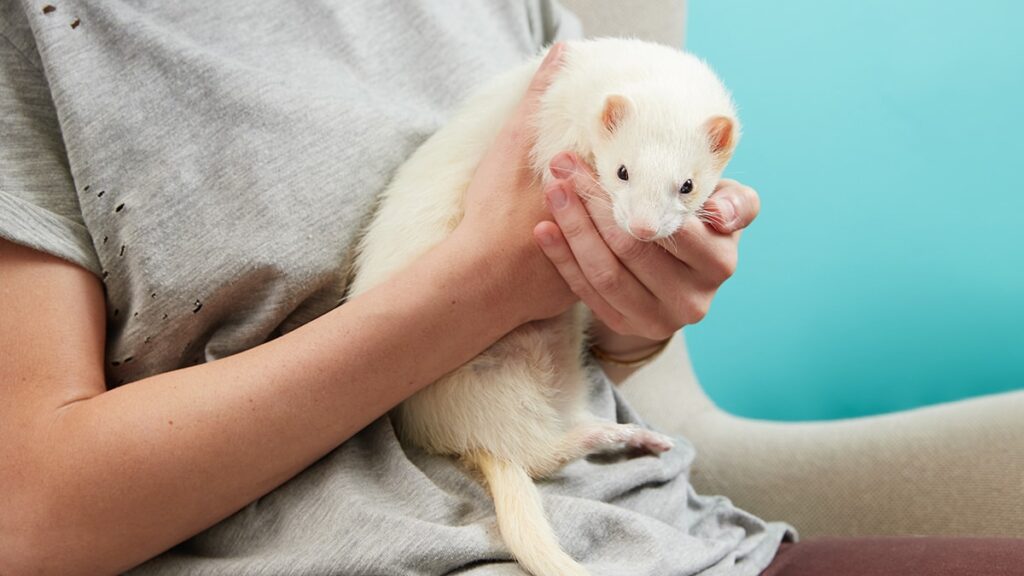
If you make this a habit, it will make ferret care that much easier in the long run. Simply look over your ferret when you handle and play with her. “Especially go over their coats to make sure there are no patchy areas,” Kegel says. “That could be a sign of a health issue going on, such as parasites.” Additionally, Kegel notes, making this a regular practice keeps your ferret completely comfortable with being examined and groomed. This helps with veterinarian exams or even being judged in shows. (Yes, there are ferret shows, which Kegel says are a “blast! The ferrets have a great time, and it’s interesting meeting folks who have been involved for decades.”),Ferrets are inquisitive, intelligent, amusing and, of course, adorable! As cute as these increasingly popular, petite-size pets are, before you bring one home, you should be aware that ferret care is a bit specialized and requires specific ferret supplies. True, ferrets don’t need to be walked in all kinds of weather like a dog, but there’s still plenty you need to know about how to care for ferrets as pets. One of the most important aspects of ferret care is grooming. Stephanie Kegel, director at the American Ferret Association, breaks down the process, so you can keep your ferret healthy and happy.
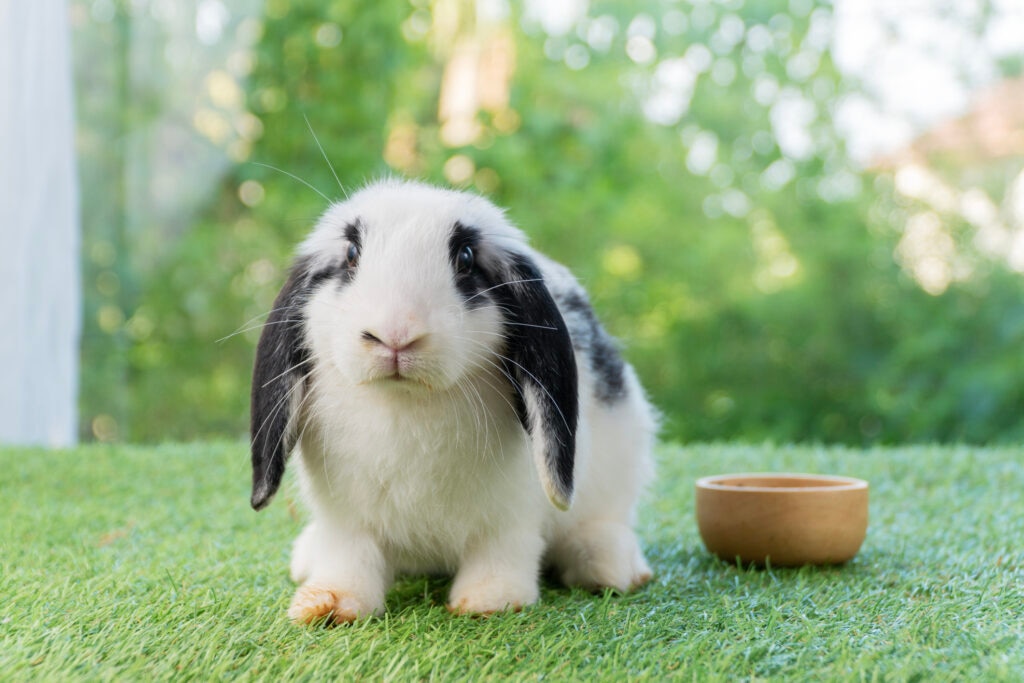
Quality rabbit food pellets—and especially hay—are essential parts of a rabbit’s diet. But what about an occasional treat to indulge their sweet tooth? For instance, can rabbits eat blackberries? We spoke with experts to learn more about the benefits of blackberries for rabbits, how many blackberries you can give them, and, generally, what rabbits can eat.


What Is a Horse Whisperer? Your Guide to Natural Horsemanship

The 5 Best Winter Dog Sports and Activities to Try With Your Pup