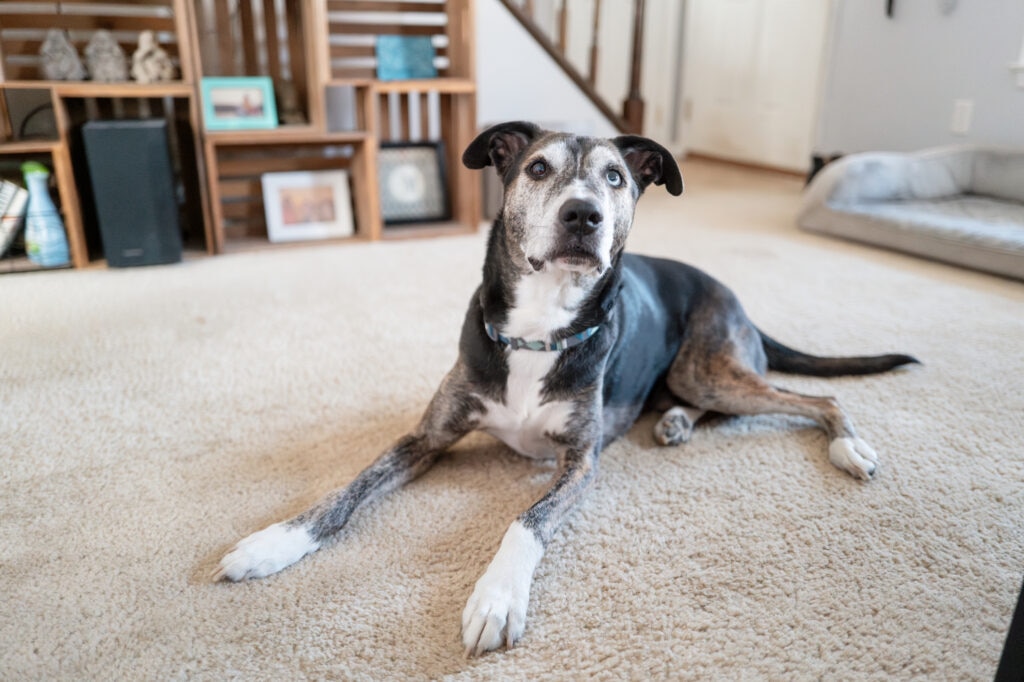
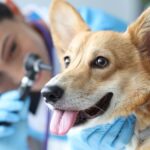
Aggression in dogs isn’t always loud or obvious. It can start with subtle body language and grow into behaviors such as: Crouching Tucking the tail Turning the head away to avoid eye contact Sudden stillness As tension grows, your dog might start growling, baring their teeth, curling their lips, or giving you a stiff, hard stare. “Aggression is not necessarily abnormal,” says Meghan Herron, DVM, DACVB, a veterinary behaviorist and senior director of behavior, research, education, and outreach at Gigi’s, an Ohio-based dog shelter. That’s because aggression is a normal form of communication dogs use when they feel uncomfortable, afraid, or threatened, which is all the more reason to tune in and take it seriously. “But a senior dog who suddenly displays aggression in a situation where they never have before is a big cause for concern,” she says. “Brushing their behavior off as ‘grumpiness’ risks missing something serious,” adds Dion Studinski, head trainer and founder of Ancillary K9 Dog Training in Denver, Colorado. Below, we’ll share the most common reasons for sudden aggression in senior dogs. These causes aren’t always either/or, as they can often occur simultaneously. ,Watching your dog grow older can be a bittersweet experience. Because those gray whiskers often come with new care needs, the American Veterinary Medical Association (AVMA) recommends that senior dogs visit the vet at least twice a year. And while every dog ages differently, if your senior dog suddenly starts showing signs of aggression, it’s essential to recognize that this isn’t just “grumpiness” or a regular part of aging. Sudden aggression in senior dogs often points to an underlying issue. Here’s how to spot aggression in older dogs, why partnering with your vet is so important, and how simple changes at home can help your dog feel more like themselves while keeping everyone safe.