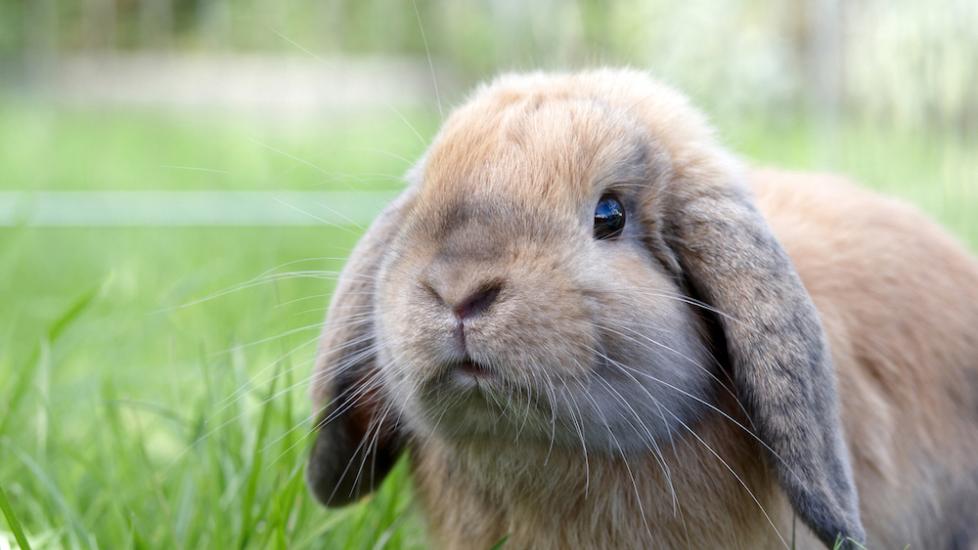
Pododermatitis in Rabbits
In This Article Summary View 5 More +


In This Article Summary View 5 More +
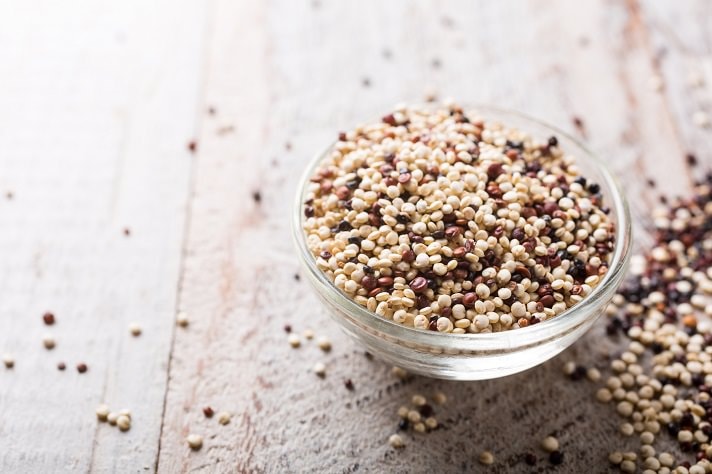
The Incas considered quinoa “the mother grain,” because of its high nutritional value. If you own a parrot, you might have seen this ingredient when searching for new recipes for your pet birds. Perhaps you’re never heard of it before. Quinoa (pronounced “keen-wah”) is amazing from a nutritional standpoint. High in complete proteins and fiber, and low in salt, quinoa packs a dietary wallop when consumed. Containing higher levels of iron than many other grains, as well as high levels of potassium, riboflavin, magnesium, it has an almost perfect balance of all eight essential amino acids. It is gluten-free and contains almost double the amount of calcium as many other grains. One cup of cooked quinoa has the approximate calcium content of a quart of milk. Many pet birds find its light, fluffy texture when cooked as appealing as its nutty taste. Quinoa has an outer coating called saponin, a bitter, soapy-tasting outer coating believed to protect the grain from being eaten by pet birds and insects. Most commercially available quinoa has been processed to remove the saponin before packaging, but a thorough rinse with cold water in a strainer will remove any traces of remaining saponin. Most of the quinoa consumed in the United States is used as a whole grain, such as rice or barley and is served separately or in casseroles or pilaf. Quinoa cooks in about 15 minutes, and can be served to you or your parrots in a variety of ways. Try cooking quinoa and serving it alongside your bird’s regular meal, or add it to chopped vegetables for an enriching and interesting variation on their usual offering. Quinoa is more widely available than ever before and can be found in most health food stores, ordered over the Internet and in specialty groceries stores. For a healthy diet option for your pet birds, consider trying quinoa.

By Kate Hughes Many pet parents are concerned with the impact that their pets are having on the environment. Maybe they’ve already adjusted their lifestyles to incorporate more sustainable products—like bamboo toothbrushes and reusable straws, taken a closer look at their recycling habits and even started to dabble in composting. But, for even the most eco-friendly pet parents, there’s one item that isn’t that easy to find a green alternative for—cat litter. But there are green ways to dispose of cat waste and cat litter. With the right materials and a little know how, cat owners can reduce their eco-paw print and dispose of their kitty’s leavings in a way that is less harmful to the environment. Searching for a Sustainable Cat Litter Disposing of cat litter in an eco-friendly manner begins with the composition of that litter. “Clay litter is not the most sustainable option,” notes Ramsey Bond, a recent graduate of Colorado Mountain College in Glenwood Springs, Colorado, whose studies focus on sustainability. For her senior project, Bond worked closely with the Colorado Animal Rescue (C.A.R.E.), a nonprofit animal care organization in Glenwood Springs, Colorado, to develop animal waste composting procedures that lessened the shelter’s eco-footprint and transformed it into an overall more sustainable facility. Bond strongly suggests that any person looking to lessen the environmental impact of their cat litter switch to a wood pellet-based product. “Wood pellet-based litters are a renewable resource and are ideal for composting,” she explains. Tracey Yajko, canine behavior and community outreach manager at C.A.R.E., says that her organization had been using pine pellets as their go-to cat litter for many years. “We switched to pine pellets for two reasons—cost and disease prevention,” she explains. “When bought in bulk, it’s less expensive than clay-based litters, and it’s dust-free.” While seasoned cat owners might be hesitant to change the type of cat litter they’ve been using, as cats are notoriously picky about their cat litter boxes, Yajko adds that most of the cats at C.A.R.E. have no issues with the pine pellet litter. “There are some older cats that are a little finicky about their litter, but 90 percent of our animals take to the pine litter without any issues,” she says.
In This Article When To Euthanize a Fish View 2 More +
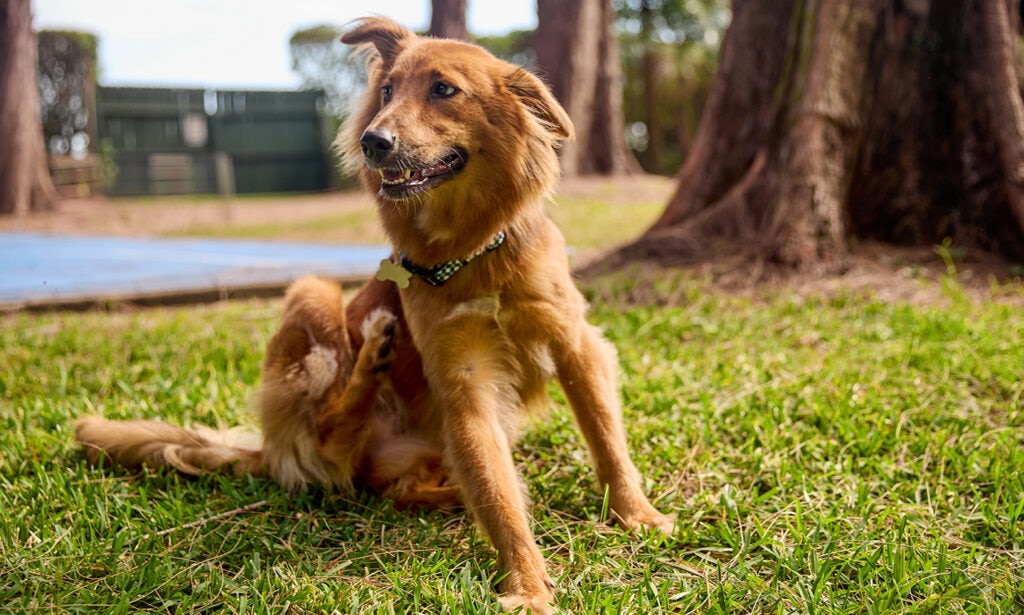
Seasonal allergies in dogs occur when their immune system overreacts to environmental allergens, such as pollen, mold spores, dust mites, or grass. These allergies primarily affect the skin, causing irritation and inflammation—a condition known as atopic dermatitis.,Can dogs have seasonal allergies in the same way people do? Absolutely! Just like us, dogs can react to pollen, mold, and other environmental allergens, turning a fun day outdoors into an itchy ordeal. If your pup seems extra itchy or sneezy during certain times of the year, seasonal allergies in dogs could be to blame. We spoke to two veterinarians to learn the telltale signs of seasonal allergies in dogs and how you can help your canine companion feel better.
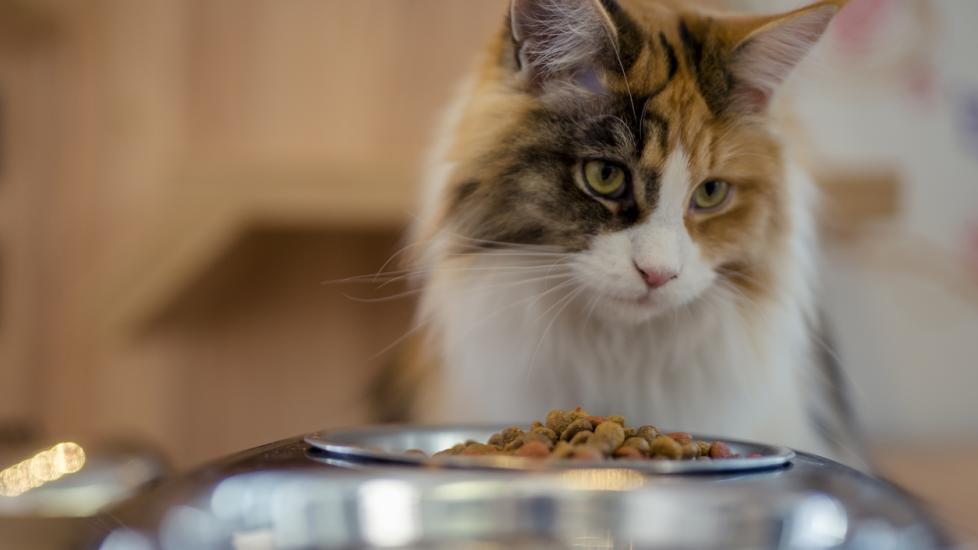
In This Article FAQs

Feeling anxious about going away and leaving your pup behind? Having someone come to your home rather than boarding your dog may make you (and your dog) feel better while you’re away. Pet sitters offer more individualized pet care services, and your pup will have free range to roam, rather than being confined to a cage or a room. Not to mention that you’ll have peace of mind knowing that the sitter is only a phone call or text away, and that they are providing constant care and supervision.
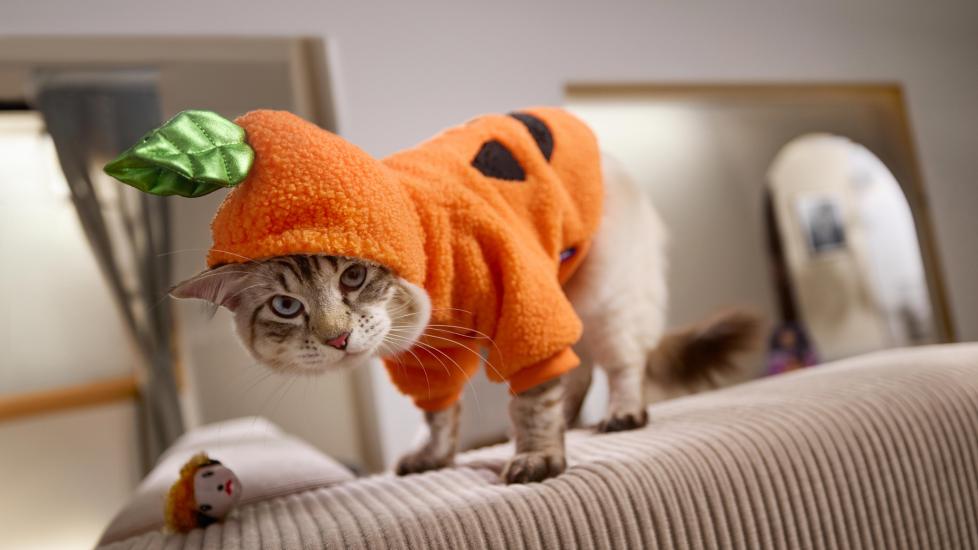
In This Article Halloween Pet Safety Tips
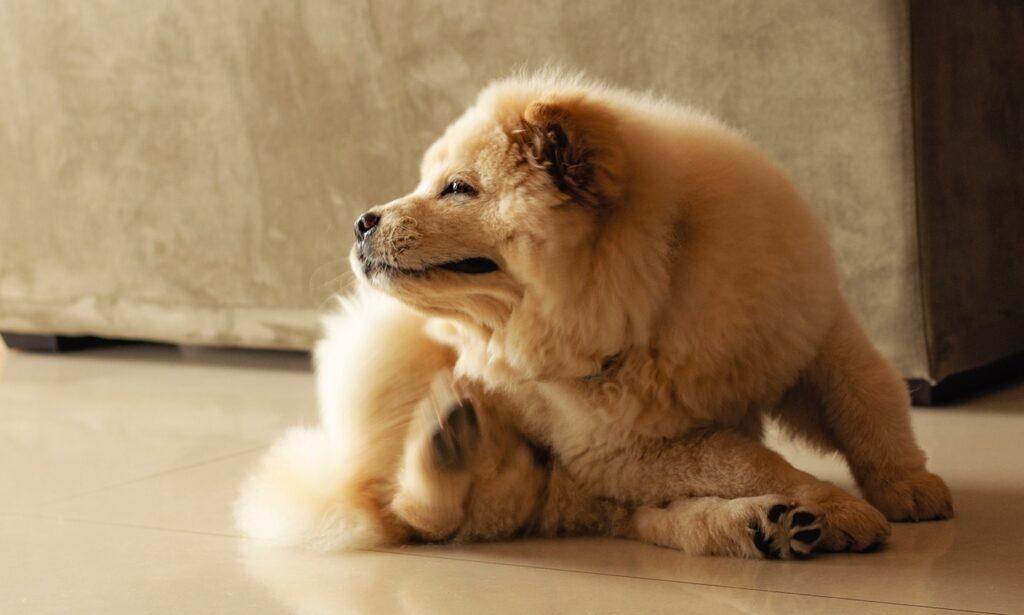
Fleas must go through a complete metamorphosis that involves four distinct life stages: egg, larva, pupa, and adult, says Amy Attas, VMD, founder of City Pets Vets, in Manhattan, New York, and author of “Pets and the City: True Tales of a Manhattan House Call Veterinarian.” Dr. Attas stresses that understanding the life cycle of the flea is crucial for effective control and prevention. The best flea control, she says, uses interventions that target multiple stages of the flea life cycle. Dr. Attas breaks down the four flea life cycle stages:,Jump to section The Four Flea Life Cycle Stages How Long Do Fleas Live? What Do Fleas Look Like? How To Get Rid of Fleas How To Prevent Fleas on Dogs and Cats
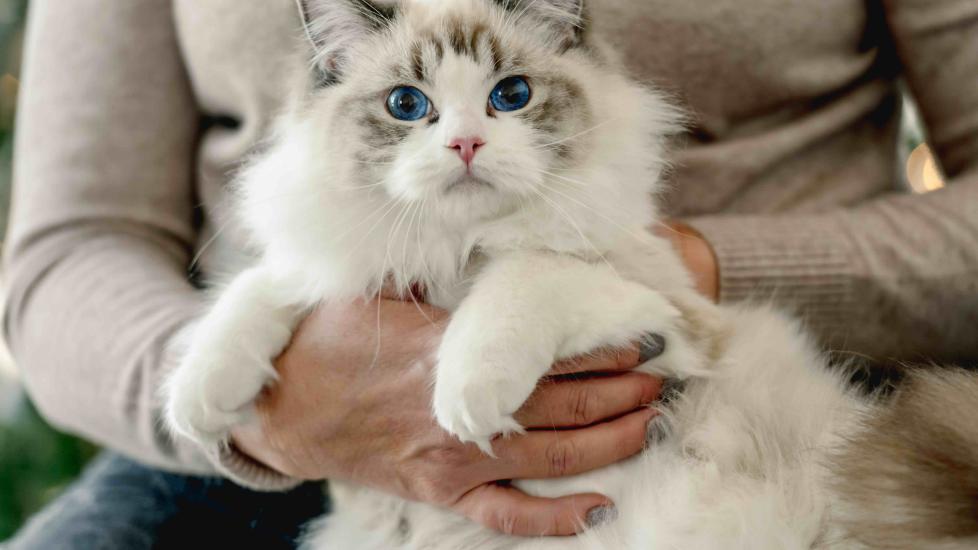
In This Article How Long Do Cats Live? View 4 More +

What Is a Horse Whisperer? Your Guide to Natural Horsemanship

The 5 Best Winter Dog Sports and Activities to Try With Your Pup