How to Teach Your Dog to Swim
In This Article Can All Dogs Swim? View 6 More +



In This Article Can All Dogs Swim? View 6 More +

We all want to be prepared for emergencies, and that includes pet emergencies. But for rabbit owners, being prepared is especially important because it is often hard for them to find local emergency veterinarians trained in rabbit care. Thus, it is critical for rabbit owners to be as prepared as possible for emergency, as the burden may be upon them to be the first line of care if their rabbit becomes ill or injured. What Emergency Rabbit Care Supplies Should You Have on Hand? Certainly, if your pet rabbit is sick or hurt, the most important thing you can do is to notify your veterinarian immediately. However, if your local animal hospital is far away, or if it is after business hours, you should have a first aid kit prepared to provide emergency rabbit care in case you need to. Here’s what you should have in your kit. Small Pet Carrier Perhaps the most important item in your kit is a safe, securely locking small pet carrier for transport. Many carriers are commercially available for bunnies that are constructed to enable you to safely move your rabbit from place to place. Having a small pet carrier on hand will allow you to safely take your rabbit with you if you must evacuate your home unexpectedly or get your pet to the animal hospital quickly. Your small pet carrier should have strong, vented, hard-to-chew plastic sides, an easily cleaned floor and a locking door. It should also be big enough to house your rabbit without him feeling cramped or uncomfortable. Towel The next item you should have in your emergency kit is a soft towel to line the floor of the carrier. The towel should be folded and placed on the bottom of the carrier so that your bunny doesn’t slide around in the carrier and become injured. A towel also will help keep your rabbit warm if you must transport him in cold weather. You should also have a larger towel or blanket to wrap around the vented carrier in inclement weather to prevent wind, rain or snow from entering the carrier. Feeding Syringe and Formula Other items you should definitely have in your emergency rabbit care kit are a feeding syringe and feeding formula. Rabbits are notorious for not eating for a variety of reasons, including dental problems, stress in their environment, gastrointestinal (GI) gas and a host of other issues. When they don’t eat, rabbits are prone to developing a potentially life-threatening illness called GI stasis in which the passage of food through their GI tract slows. Once this happens, the normal GI bacteria that ferment and digest their food are replaced by gas- and toxin-producing bacteria, which produce excessive gas. That excess gas causes rabbits pain and makes them not want to eat even more. Thus, a vicious cycle is established. Regardless of the primary reason for their not wanting to eat, it is critical that the normal movement of food through the GI tract be reestablished so that the rabbits don’t absorb bacterial toxins, become dehydrated and die. For your emergency rabbit care kit, you should ask your veterinarian for a large feeding syringe and feeding formula made for herbivores. This will prepare you if your pet stops eating and you need to syringe-feed him before GI stasis develops. Antiseptic Solution From Your Veterinarian In addition to feeding formula, you should ask your veterinarian for an antiseptic solution, such as diluted chlorhexidine (typically one part of solution with 20 parts of water). This antiseptic solution can be used to clean minor wounds in your rabbit’s skin. Rabbit skin is particularly thin and tears easily when scrubbed, so you should be sure not to be overly aggressive in cleaning small wounds. You should also alert your veterinarian to all wounds you notice on your pet to be certain that no further treatment is necessary. You should attempt to clean only the most minor wounds and only when you can’t get your bunny to the veterinarian quickly for assessment. Never attempt to treat a large wound on your animal, but instead, have him examined by a veterinarian as soon as possible. Styptic Powder You should also have styptic powder in your rabbit’s emergency kit. Styptic is useful in cases where your rabbit breaks a toenail and it starts to bleed. Styptic typically comes in either a powder or stick form. The powder form can be sprinkled onto a bleeding nail tip after excess blood has been blotted from the nail. A styptic stick can be used gently on the affected area once it has been blotted. Styptic should never be applied to open skin wounds, as it is caustic, and rabbits should be prevented from licking it, as it can be toxic if ingested. A few minutes after styptic has clotted a bleeding nail, the toe can be flushed gently with water to rinse off the remaining styptic so the bunny doesn’t lick it. If you cannot stop a broken rabbit nail from bleeding, even after applying styptic and steady pressure on the cut nail with a paper towel, gauze or cotton ball, you should get your bunny to the veterinarian immediately. Saline Eye Wash Another item you should have on hand for a rabbit emergency is over-the-counter, unmedicated saline eye wash. This can be used if your rabbit gets something (such as a piece of hay) stuck in his eyes. It can also be used if a bunny has a buildup of eye discharge in or around the eye. Rabbit owners who notice discharge from their rabbits’ eyes or excessive redness of their eyelids should have them checked out by a veterinarian as soon as possible. Portable, Battery-Operated Fan In case of emergency, you should also have a small, portable, battery-operated fan. Rabbits are very prone to overheating, especially at temperatures greater than 80 degrees Fahrenheit. Therefore, it is helpful to have a fan to blow cool air on your bunny when it’s hot outside. If the rabbit is weak, panting or falling over in the face of high temperatures—all signs suggestive of overheating—you should contact your veterinarian and take them to the vet immediately. Card With Emergency Contact Information Finally, the last item you should have readily available in case of a rabbit emergency is the name, address and phone number of your regular veterinarian and a local emergency clinic that is comfortable caring for rabbits. No owner can be prepared for all emergencies, but by having a few simple items on hand ahead of time, you can be as ready as possible to deal with an unexpected rabbit emergency. By: Dr. Laurie Hess, DVM, Diplomate ABVP (Avian Practice) Featured Image: iStock.com/Artfully79
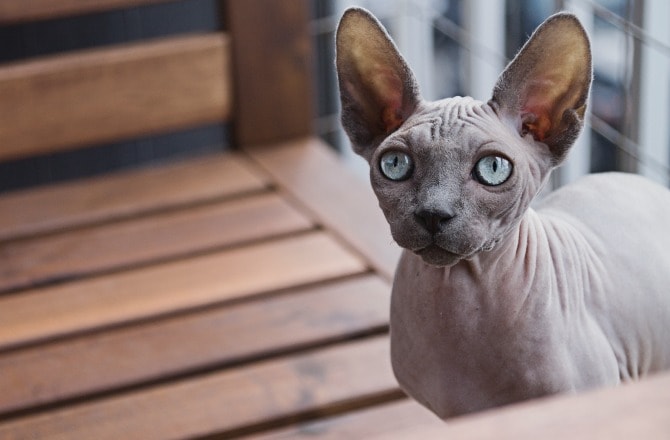
Jump to section 1. Bambino 2. Donskoy 3. Elf 4. Lykoi 5. Peterbald 6. Sphynx 7. Ukrainian Levkoy How to Care for Hairless Cats Hairless Cats FAQs
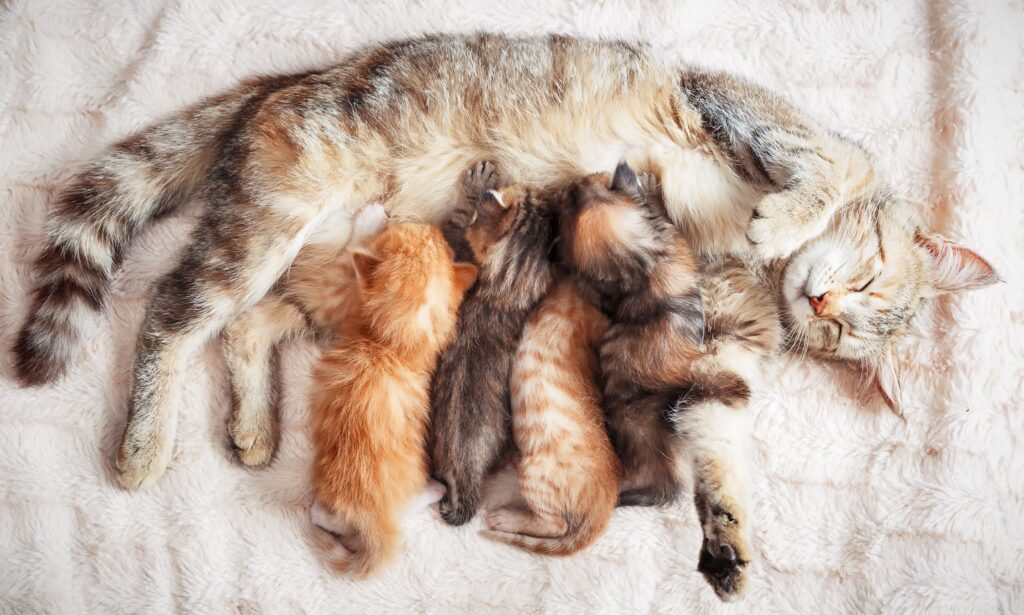
A mother cat tenderly nursing her tiny kittens is a heartwarming sight to see. But have you ever wondered whether it’s possible for the mother cat to get pregnant again while nursing? Yes! A cat can indeed get pregnant while still nursing her young. But how does this happen? How can you tell if the mother cat is pregnant again? How soon can a cat get pregnant after giving birth? We spoke to a vet expert for answers to these questions— and more.

What Are Bird Nares?

Water is a must, especially on hot days. “On hot days, you’ll need to consume more water to keep from getting dehydrated,” says Pavia, who’s also written “Horses for Dummies.” “Consider freezing one or more bottles of water that you’ll be bringing along. By the time you are ready to drink them, they will have melted. If you’ll be out all day, Pavia recommends packaging a lunch. “A saddle pack with an insulated compartment can keep it cool,” she says. If your trail ride is only a few hours long, she recommends bringing “some snacks, like nuts or a granola bar, to help keep your energy up.” On all-day rides, be sure to keep your horse fed and hydrated, too. “If you’ll be spending time at your trailer, hang a hay net and let your horse eat whenever he’s tied there,” Pavia says. “It will be hard to bring hay along on your ride, so you can allow your horse to graze when you take breaks.” As for water breaks, Pavia recommends finding out if there will be natural water available along the trail or at the trailhead. If not, bring your own water to offer to your horse before you head out trail riding and when you return.,Trail riding is one of the most fun activities you can do with your horse. It can be a relaxing break from schooling in the arena, whether you go for a short jaunt through the woods nearby or out to the mountains for an overnight equestrian adventure. Preparation is key to enjoying an hour, a day or a weekend on the trail. For starters, you and your horse need to be physically and mentally fit for the task. You’ll also need to pack the appropriate gear for the length of your ride. “Even if you’re only headed out for a couple of hours, you’ll want to bring some provisions,” says Audrey Pavia, director of region 2 of the North American Trail Ride Conference (NATRC) and author of “Trail Riding: A Complete Guide.” “The amount you bring will depend on how long you plan to ride and the weather conditions.”

In This Article What Is Flea Dirt? View 5 More +

Although a dog’s mouth is usually the epicenter of foul odors, a dog’s digestive system can also impact breath. Probiotics assist in the growth of beneficial bacteria in your dog’s intestinal track, which in turn aids in digestion and prevents lingering odors. According to Dr. Christina Moore of Thrive Affordable Vet Care, the main cause of bad breath, especially chronic bad breath in dogs, is bacteria that inhabits the mouth as well as further down in the GI tract. Moore says that probiotics are a natural way to help the body defend itself against bad bacteria, including the bacteria that causes bad breath.,You know you should brush your dog’s teeth frequently, and you do your best to do it, but the reality is that your dog’s dental care just doesn’t happen on the regular. The result? A buildup of nasty tartar and less-than-fresh dog breath. While nothing beats ongoing dental upkeep in conjunction with veterinary oral health exams, the following tips can help to keep your dog’s mouth smelling cleaner in between brushings:
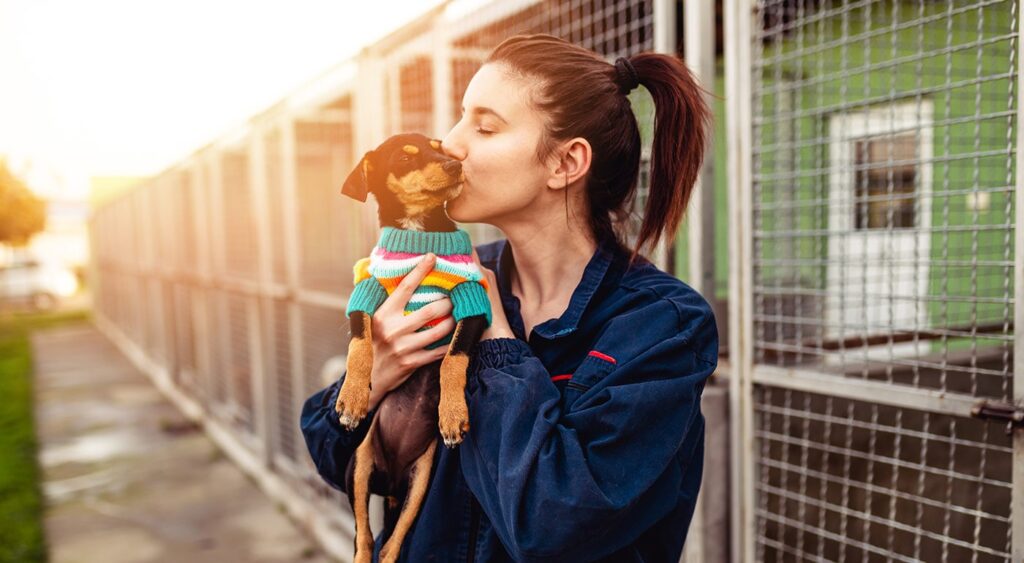
Have you been considering adding a pet to your family? Now’s a great time. Across the country, many shelters have reopened with social distancing guidelines in place, often holding first meetings via videochat and accepting in-person visitors by appointment only to cut down on crowds. But if you still need convincing, read on for animal shelter facts that double as reasons to adopt a dog. By the end of this list, you’ll be ready to make a trip to your local animal shelter!
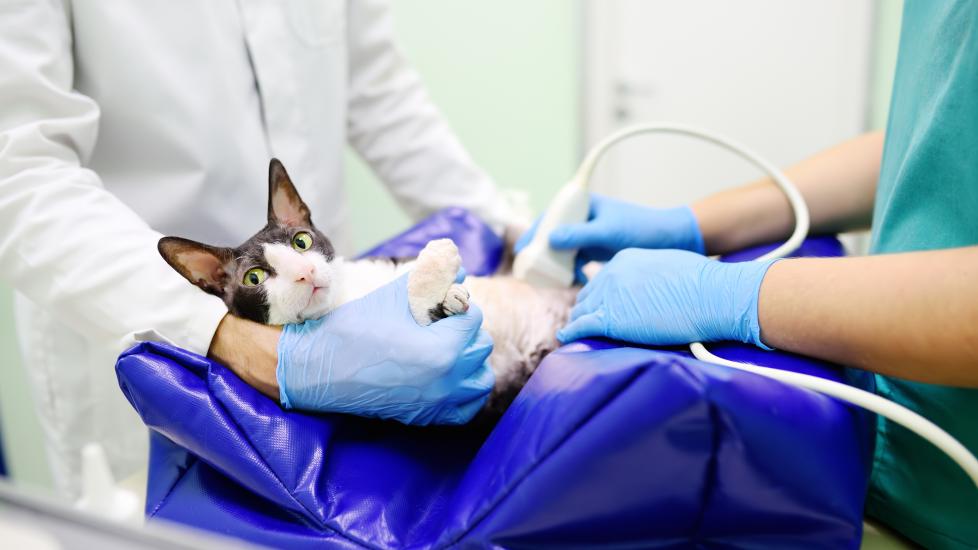
In This Article What Is Stomach Pain in Cats? View 6 More +


What Is a Horse Whisperer? Your Guide to Natural Horsemanship

The 5 Best Winter Dog Sports and Activities to Try With Your Pup