Pleural Effusion in Dogs
In This Article Summary View 5 More +



In This Article Summary View 5 More +
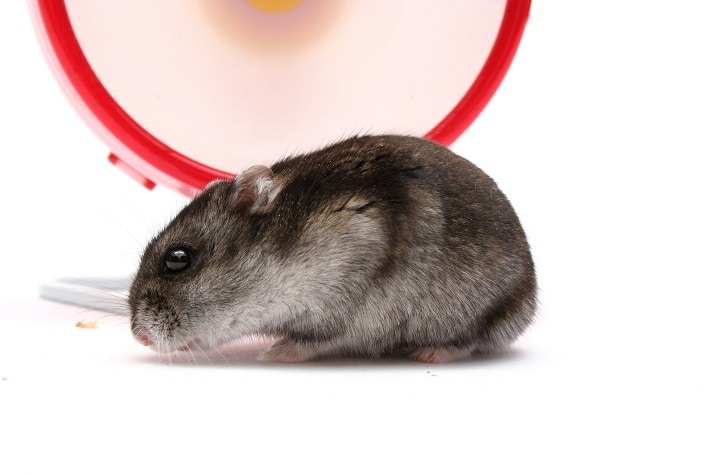
Hamsters come in a variety of colors and names, and the Winter White Dwarf Hamster has caught your eye. So how can you tell if this is the best species for you? These 10 facts can help you learn more about this charming breed and make sure he’ll be a good fit for you. The Winter White Dwarf Hamster, also called the Siberian or Russian hamster, hails from Siberia and Kazakhstan, and its Latin name is Phodopus sungorus. They are common pets in Europe, Asia and North America—one of the five most popular hamster species in the United States.These hamsters often are confused with Campbell’s Russian Dwarf Hamsters (Phodopus campbelli), which have a similar size and appearance. As a dwarf hamster, your Winter White likely will grow to 3-4 inches long, says Erin Ramsey, co-president of California Hamster Association in Southern California and owner of Cheeks and Squeaks Hamsters. They sport a round, oval-looking body shape with fur covering their feet and legs. There are three main color varieties: sapphire, pearl and natural pearl. This charming hamster’s coat turns white in winter, thus its name. The rest of the year, Winter White Dwarf Hamsters are adorned in a grey-brown coat color with a dark dorsal stripe down the back. In the wild, this coat change provides camouflage against the snow. The change in color can take a few days to a few weeks, and some people report seeing their Winter White Dwarf Hamsters change in waves from head to tail.The color-change occurs extent to which your hamster’s coat might change during the short, light periods may vary from a few faded patches to a whitening of his entire coat. Lack of exposure to seasonal light cycles usually prevents this coat-color change in captivity. Male Winter White Dwarf Hamsters generally are larger than females, and “the male has a more prominent scent gland on the belly,” Ramsey says. Winter Whites live an average of 1½-2½ years. They are not particularly prone to any illness, but they can suffer from the same illnesses as other hamsters. Generally speaking, Winter White Dwarf Hamsters have a more tolerant personality than Campbell’s hamsters, and they are less likely to bite. Their small size makes them better suited to older teenagers and adults than younger children, but families with youngsters can do great with these hamsters if they put in the time, Ramsey says. “They all have different personalities and are very interesting to watch when in proper habitats. They enjoy play time in a safe playpen and socializing with humans.”What if you share your home with other pets? “Hamsters should never be exposed to other pets,” Ramsey says, “but they do fine in the same environment as long as they are secure in their cage.” This sociable species is best kept in pairs or groups.”Same sex, same litter usually works out, but they do have a pecking order,” Ramsey says. “If one is more dominant or bullies the other, they must be separated immediately.” The decision to keep a mixed-sex pair or group should not be taken lightly because breeding will occur, and hamster litters can be produced every three weeks. If this is your first time caring for a hamster, Ramsey recommends starting with a solitary hamster. For a more successful multi-hamster living situation, introduce Winter White Dwarf Hamsters who will live together at a young age—preferably 5-8 weeks. Even better is if they come from the same litter or shared living quarters. Hamsters who have lived alone may not accept a companion peaceably. The best cages for Winter White Dwarf Hamsters offer at least 450 square inches of unbroken ground space, and the bigger the better, Ramsey says. Options include bar cages, aquarium tanks(40-gallon breeder), and bin cages made from 110-quart plastic storage tubs. Use a wire-mesh lid to prevent escapes and injury from falling objects. And because dwarf hamsters can squeeze through the bars of many wire cages, keep bar spacing in mind when choosing your hamster’s habitat. Your new pet will love to burrow, so provide your Winter White Dwarf Hamster with soft bedding. You can choose from wood shavings, fluffy bedding and shredded paper, like CareFresh Small Animal Bedding. Ramsey recommends about 4 inches of bedding for your pet to burrow in in his enclosure.

Hay is the most important part of a guinea pig’s diet.,Jump to section Hay Vegetables Guinea Pig Food Fruits Treats Supplements Water Feeding Tips for Guinea Pigs FAQs About What Guinea Pigs Eat
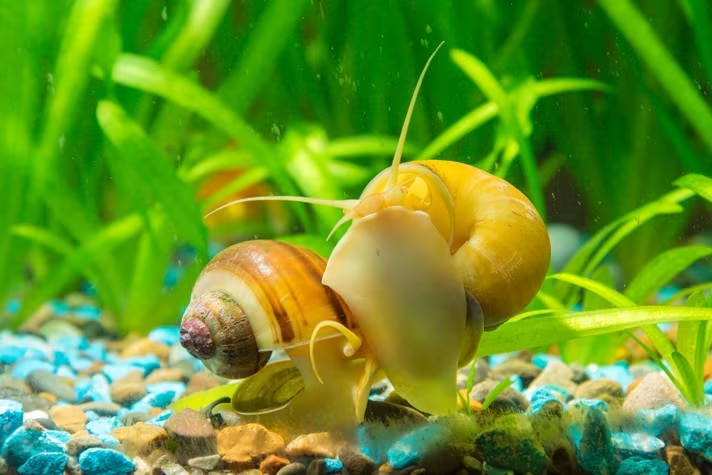
There’s an old adage about an ounce of prevention being worth a pound of cure. Snails are not able to teleport, nor do they spontaneously arise from the ether. If you have snails in your tank, you put them in there. The most common means is through adding live plants. Snails, or their eggs, can hitch on most types of plants and arrive in your home aquarium. Old time aquarists recommend soaking aquarium plants in a solution of 2-3 teaspoons of alum dissolved in a quart of water. After 2-3 days in this solution, all snails and eggs should be gone. A stronger solution, substituting tablespoons for teaspoons, will do the same in a few hours. However, alum can be harsh on plants, particularly fine leaf plants, and caution must be used when dipping plants. If soaking the plants for several days, remember that they do need light.,At one point or another, every aquarist has experienced an unexpected outbreak of snails in their home fish aquarium. It can be incredibly frightening, too. There are these small little animals in tremendous numbers that have seemingly appeared overnight, and you did not put them in the aquarium. Where did they come from?

From the family-friendly Beagle to the enormous Irish Wolfhound, there are many hound dog breeds out there, each with unique talents and traits. But there is one trait all hounds have in common: They need to have all their senses engaged. Hounds were originally bred to fulfill a special purpose. For example, the Dachshund was bred to dig and hunt badgers, and the Saluki was bred for speed for hunting across open fields. If you live an active lifestyle and are thinking about adopting a hound, consider this overview of each hound breed to decide which would make the best fit for your family.
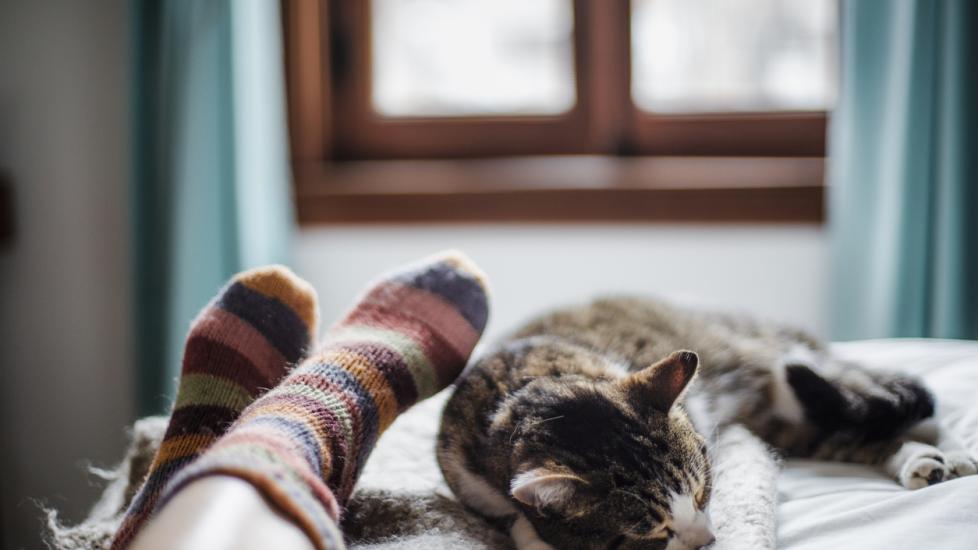
5. They’re Stressed or Anxious As with humans, cats are affected by stress. One way cats express stress or anxiety is by changing their sleep patterns. If they’re suddenly sleeping more than usual, it could be a sign they’re feeling overwhelmed or anxious about something in their environment. Cats can become stressed or anxious for many reasons, such as when new family members come into the house or if feeding times change. 6. They’re Sick Certain illnesses and diseases can also make your cat sleep more than usual. These include: Hyperthyroidism Diabetes Kidney disease Heart disease Liver disease Cancer Take your cat to the vet right away if you notice any other changes, such as loss of appetite or weight loss. 7. They’re Injured Cats are agile creatures, often jumping from high places or running around at top speed. The downside is that this type of vigorous activity can sometimes result in muscle strains and torn ligaments. To rest and recuperate from these injuries, your cat might sleep more. Your cat might also sleep more if they have a wound or infection because their immune system is working overtime. It’s also not uncommon for cats to develop arthritis and joint pain as they age. To relieve their discomfort, they may become lethargic and sleep more. A vet visit might be in order if your cat is lame or stiff. Your vet can diagnose the problem and come up with a treatment plan to help reduce pain and improve mobility so your cat can get back to napping. Always take your cat to the vet as soon as possible when you notice signs of injury or that your cat is in pain. They can examine your pet and, if necessary, prescribe medication or suggest physical therapy to promote healing. Is My Cat Sleeping Too Much? If your is cat sleeping more than usual or if you notice any other behavioral changes with their sleeping habits, contact your veterinarian for advice. If your vet finds something wrong, they may suggest dietary changes, extra exercise, medications, supplements, or behavior modification training. But the fix could also be as simple as giving your kitty more toys and playtime!,WRITTEN BY Nicole Zittritsch, LVT, BSc, MPH Veterinarian Technician,Cats, like other animals, need a lot of sleep to stay healthy. But sometimes it might seem like your cat spends more time asleep than he does awake. Why do cats sleep so much? And what factors affect your kitty’s sleeping habits? Here’s what to know about all those catnaps. How Many Hours a Day Does a Cat Sleep? Cats sleep between 12–16 hours a day. To humans, who need about seven hours of sleep during adulthood, that seems like a lot of time spent snoozing. But when you think about it, it’s not too surprising that cats spend so much time resting. Hunting and exploring are energy-consuming activities. As predators, cats need a lot more rest than humans so they can remain alert and focused. The amount of time spent sleeping can depend on a cat’s life stage. Kittens are still growing and developing, so they’re likely to need up to 20 hours of sleep per day, while adult cats need 15 hours or less. It’s common for senior cats (those at least 10 years old) to spend more time asleep than younger cats, as they’re typically less active due to health issues or mobility loss. 7 Reasons Why Cats Sleep Ultimately, how much a cat sleeps varies from pet to pet. Breed, diet, and lifestyle make a difference in how much cats sleep, along with age. For example, cats who lack mental stimulation often become lethargic and sleepy as a way of filling the time. Here are some common reasons your cat sleeps so much. 1. They’re Taking Catnaps It’s believed that cats don’t really sleep for long stretches; rather, they take frequent catnaps that last 15–30 minutes. Catnaps allow your cat to rest his body and mind without falling into deep sleep. These catnaps allow felines to still react quickly to potential threats in their environment. 2. They’re Conserving Energy Cats use a lot of energy when they hunt, play, or explore their environment—so it makes sense that they need to conserve energy by sleeping more. Your cat will be ready to tackle whatever activity he wants when he wakes up from a nap, whether that’s darting up a cat tree or chasing an interactive toy.

In This Article Does My Horse Need Joint Supplements? View 3 More +

In This Article Summary View 4 More +

As a pet parent, it’s tempting to want to share every meal you eat with your furry friend, but unfortunately, that’s not always in their best interest. While some “human foods” are OK for our pups, and may even offer some nutritional benefit, ham is not the best choice. In short, the answer to the question, “Can dogs eat ham?” is yes. But should dogs eat ham? Not necessarily. Ham isn’t toxic, but there are other foods that are more beneficial to your dog’s health. If you want to give your dog a small slice of ham every now and then, it likely won’t cause harm, but there are some things to consider.
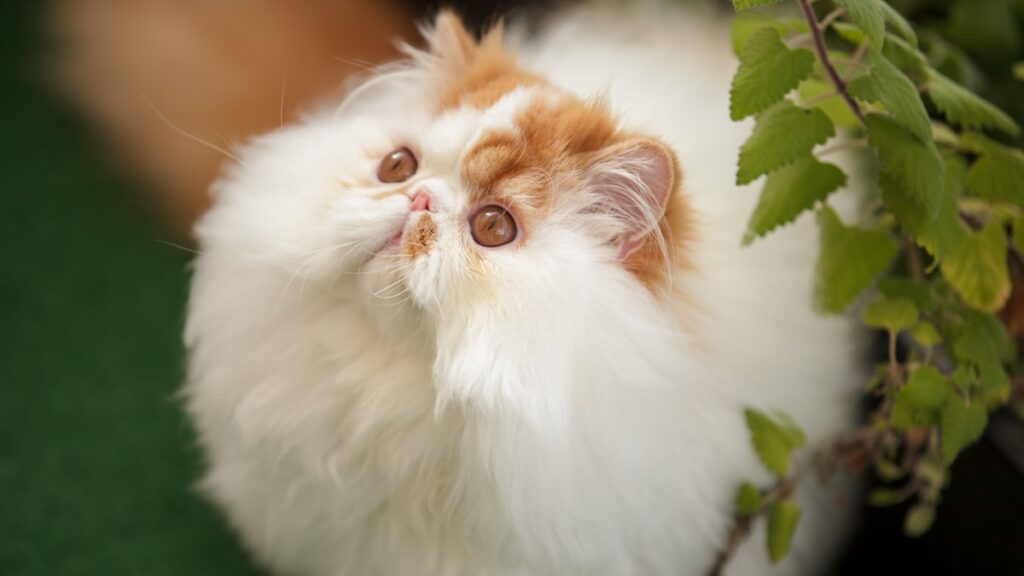
Hair, hair—everywhere! Sound familiar? You probably have long-haired cats in your house—ones that leave tufts of fur on the comforter, in their favorite spots on the couch, and all over the pair of pants that didn’t make it into the laundry basket (not that we’re calling you out or anything). And we haven’t even talked about the dreaded hairballs that await unsuspecting bare feet. Unless you’re in the market for a hairless cat, you’re going to face this kind of thing on a daily basis. But with a regular pet grooming routine, the hair-raising problems that plague long-haired cats and their owners will soon disappear. We’ve enlisted the help of Sarah (Miller) Thomas, Certified Feline Master Groomer at Wil-O-Paw Animal Hospital in Coloma, Michigan, to give us some expert tips on caring for long-haired cats.


What Is a Horse Whisperer? Your Guide to Natural Horsemanship

The 5 Best Winter Dog Sports and Activities to Try With Your Pup