The Top 5 Best Boarding Options for Your Pet
In This Article What Is Pet Boarding? View 3 More +



In This Article What Is Pet Boarding? View 3 More +
In This Article Why Are Fat Cats at Risk? View 2 More +

In This Article Calming Supplements for Dogs View 5 More +

5. You Need to Learn to Improvise Compared to human medicine, there’s not as much research when it comes to veterinary care. This is especially true for exotic animals. When veterinarians like Dr. Nielsen—whose patients include snakes, rabbits, hamsters, reptiles, and birds—encounter a unique problem, they must find unique solutions. Dr. Nielsen, who considers guinea pigs to be one of her favorite pets to treat, explains, “Sometimes you must get creative in helping exotics, and you’re not always sure it will work. It’s this kind of challenge, and the successful treatment outcomes, that are what makes the job so worthwhile—no day will ever be boring.”,6. Communication Is Key “Aside from learning about animals and focusing on their needs, veterinarians need to be good at communicating,” says Dr. Nielsen. “So much of what veterinarians do involves communicating with clients and other vets. You need to be prepared to do that well.” Dr. Nielsen reminds her clients that it’s a team effort in getting a pet feeling better. “If your rabbit needs medication every three hours, you’ll need to do your part of the treatment plan we’ve created for him,” she says. “It’s heartening to work with animals, but pet parents understanding that they are a crucial part of the equation is what helps it succeed.”,If you’re reading this, you probably love animals. You may have even wanted to be a veterinarian when you were little. For many people, spending each day helping and healing animals is a dream come true. But being a veterinarian goes beyond having an endless love for animals. From completing undergraduate and graduate veterinary training to building courage and emotional strength, there’s much more to becoming a veterinarian than meets the eye. Here’s what you should know if you’re considering a career in animal healthcare.

,How Often do Fish Tanks Need to be Cleaned? Aquariums require regular water changes and pH testing in order to ensure fish are living in the proper conditions. Depending on the size of the aquarium and filtration system you have set up, you’ll need to perform weekly partial water replacement, as well as clean the tank and change the water about once per month. Some fish, like goldfish, are known for being extra messy and may require more frequent water changes and tank cleanings. Overfeeding will also quickly pollute water. Monitoring the pH levels of your aquarium and keeping an eye on any visible contaminants and pollutants should give you a good idea as to how often you’ll need to clean your fish tank.,By Kali Wyrosdic Are you thinking about getting a fish but aren’t sure whether or not a fish would make the best pet? No matter what type of fish you’re thinking about, there are some basic fish-care facts that apply. Once you’ve made your decision, make sure to research the type of fish and it’s individual needs. Below, you’ll find answers to several of the most common fish-care questions to help you decide whether or not a fish is the right type of pet for you. Are Fish Really a Low-Maintenance Pet? Generally speaking, freshwater fish are less expensive and easier to care for than other types of pets, leading to the perception that they’re easy to keep. While they can be less trouble than other types of animals, that doesn’t exactly make them low-maintenance pets. Fish have the same basic needs as other animals, including food, water and a proper habitat, but because fish live in completely different environments than humans and other mammals, they are dependent on us to provide everything they need to live happily. Whereas dogs and cats won’t die if they aren’t washed regularly (although appropriate grooming for your pet is encouraged), regular aquarium cleanings are a must for keeping a healthy fish. Once you decide what type of fish to get, you can determine which aquarium will be most appropriate for you and what type of maintenance it requires.
In This Article General Care View 5 More +

6. Sheltie Step Up (Requires a step platform) Ask your dog to stand on your left side. Stand with your feet parallel, about hip-width apart while holding the leash in your hands. Slowly step to place your right foot on the platform. Keep your torso upright, and align your knee over your second toe. Have your dog come with you. Push off with your trailing (left) leg to raise your body onto the platform, placing that foot alongside. Have your dog follow, with front paws on the platform. With the leash firmly guided by your left hand, slowly load the weight of your body into your leading (right) foot. Step backwards to place the trailing (left) foot on the floor in its trailing position. Guide your dog and allow your body to lean slightly forward during the step-down movement. Load your weight into your trailing (left) foot, and step off the platform with your leading (right) foot, returning to your starting position. Repeat for the opposite side. To progress, step up onto one leg only, and remain standing on a single leg before stepping back down. “This is a bonding exercise with your dog, while working on obedience,” Montgomery says. “It also provides benefits to you, including strengthening your inner thighs and toning your legs. Remember to praise your dog along the way.” Image: Thinkstock ,You Might Also Like,By Andrew Daniels Man’s best friend may also be man’s best workout buddy. According to research from Michigan State University, the majority of dog owners who regularly walk their dogs meet the national standards for regular, moderate, or vigorous exercise. Dog walkers also exercise about a half hour a week more than people without pets, the research shows. More studies tout the benefits of getting fit with Fido: University of Missouri research found that overweight dog walkers who took their furry friends for a 20-minute strolls five days a week lost an average of 14 pounds in a year. Australian research also shows that if you frequently take your pooch for walks, you’re less likely to make excuses to not work out. Who needs a gym when you’ve got your own cuddly canine just waiting to be your personal trainer? Here are six exercises you can do with your pup that will help him shed the pounds — and cause you to break more than a sweat, too. Exercises from Tricia Montgomery, Founder and CEO of K9 Fit Club, a national network of clubs dedicated to the health, fitness, and wellness of dogs. Image: Khakimullin Aleksandr / Shutterstock 1. Warmup Place your dog’s leash in your left hand with no more than a 2-foot lead, and power walk back and forth for 1 to 2 minutes. Move to a light jog or sprint, back and forth for 2 minutes. Stand in place and perform arm circles to warm up your shoulders, while your dog stands next to you. “Remember to work at your own pace,” suggests Montgomery. “If this is your first time, your dog doesn’t know what to expect. Remember to praise them for their good actions.” Image: Ross Stevenson / Shutterstock
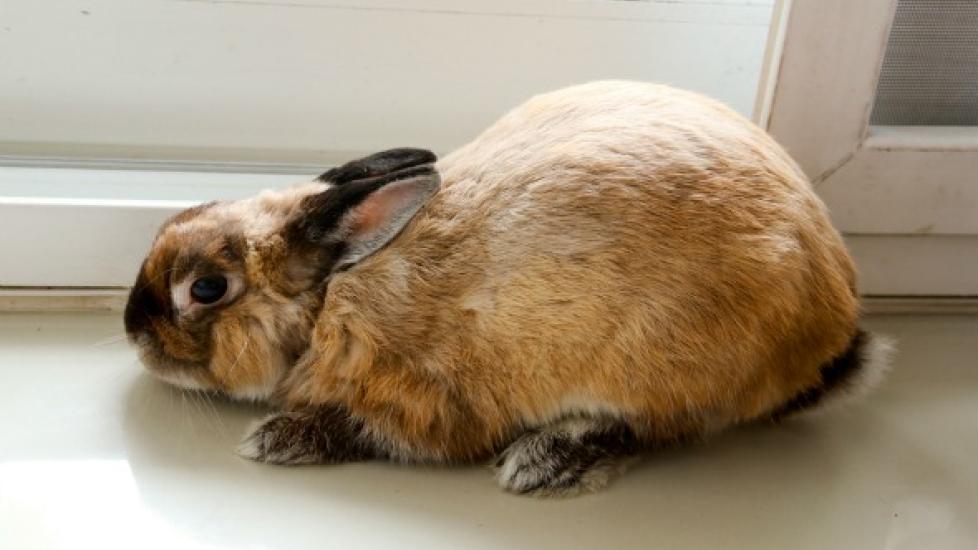
Intoxication in Rabbits Ingestion of toxic substances has the potential for affecting many of a rabbit’s body systems. Intoxication, the clinical term given to poisoning, may be due to eating poisonous substances, such as poisonous plants, or chemicals like rodent poisons, and lead. Intoxication can also occur as the result of inadvertent administration of drugs. Many antibiotics that are commonly prescribed to other mammals can be fatal to rabbits. Rabbits may also have adverse reactions to many common topical products that are safe for use in other mammals, like cosmetic soaps, shampoos, or sprays. Symptoms and Types Seizures Digestive signs of intestinal inflammation Loss of body temperature regulation – high or low Lethargy, listlessness Loss of appetite Depression Causes Ingested toxins Poisonous plants – especially for rabbits that graze outdoors Some indoor houseplants can be toxic to rabbits Lead poisoning – chewing or licking lead-containing household substances, especially painted surfaces or metallic objects Anticoagulant rat poison Inappropriate oral medications or overdose of medication Certain antibiotics Certain pain medications Topically applied products Flea collars Organophosphate-containing products – products used for killing insects, on the body or in the immediate environment Certain sprays and ointments used in high concentrations Insecticides and pesticides – household or outdoor Diagnosis You will need to give a thorough history of your rabbit’s health, onset of symptoms, and possible incidents that might have led to this condition. The history you provide may give your veterinarian clues to the type of toxicity your rabbit is suffering from, enabling your doctor to treat the rabbit quickly, before the condition can affect the major organs. Otherwise, the diagnosis will come about in the course of a differential diagnosis, a process that is guided by deeper inspection of the apparent outward symptoms, ruling out each of the more common causes until the correct disorder is settled upon and can be treated appropriately. The final diagnosis will be based on the clinical signs, and exclusion of all other diagnoses. A complete blood profile will be conducted, including a chemical blood profile, a complete blood count, and a urinalysis. Confirmation of the diagnosis may be made by chemical analysis, but if your rabbit is having a severe reaction, your doctor will be working to find a solution for treating the symptoms before the condition can become fatal. Treatment The first goals of treatment will be to provide emergency intervention, prevent further exposure, prevent further absorption into the blood stream and organs, and provide supportive measures to support the body during recovery. Your veterinarian will apply specific antidotes to hasten elimination of the toxic substance from the body, and wash the skin surface to eliminate toxins, if necessary. The method for treatment will be dependent on the toxin that was ingested, as some toxins can be more harmful leaving the body that they were going into the body. Activated charcoal, stomach lavage, and gastric pumping to eliminate toxins from the stomach may be used when it is safe for the toxin to be brought back through the esophagus. Spraying the skin with water or soaking with cool, wet cloths may alleviate skin discomfort while removing the substance, and if the rabbit’s body temperature is too high, your doctor can use the cool cloths along with convection fans to lower the body temperature, or evaporate external heat by using alcohol swabs on the feet. If the rabbit’s body temperature is too low, restoration of normal temperature may be achieved by using a circulating hot water or air blanket, hot water bottles, or by placing the rabbit in a warmed incubator. If your rabbit is in a more severe state, with breathing problems or cardiac abnormalities, emergency life maintaining measures such as artificial respiration and cardiac massage will be used to correct these conditions. Supplementary oxygen may be given via oxygen cage, mask, or nasal tubes. Once your rabbit has been stabilized and the danger has passed, your veterinarian may proceed with more specific therapeutic measures that are appropriate to the type of toxin that was ingested. Specific antidotes to the poison may be available, medications for seizures may be prescribed if needed, blood transfusions may be necessary for systemic blood poisoning or organ failure, supportive measures may need to be taken for organ failure, and pain relief may be prescribed while your rabbit is recovering from the worst of the intoxication. Living and Management Once your rabbit is completely stabilized and you are able to return home with it, you will need to help your rabbit to recover, first by focusing on food and fluid intake. Encourage oral fluid intake by offering fresh water, wetting leafy vegetables, or flavoring water with vegetable juice, and offer a large selection of fresh, moistened greens such as cilantro, romaine lettuce, parsley, carrot tops, dandelion greens, spinach, collard greens, and good-quality grass hay. Also, continue to offer the rabbit’s usual pelleted diet, as the initial goal is to get the rabbit to eat. A high fiber diet may also be indicated for this condition. Your veterinarian will advise you on the best foods to help your rabbit to regain its health. If the rabbit cannot eat normal foods, you will need to feed the rabbit a gruel mixture by feeding syringe. Follow-up monitoring will depend on the type of toxicant the rabbit ingested or came into contact with. The clinical signs, along with any laboratory abnormalities will guide the process. Observe the rabbit’s general demeanor for signs of improvement or relapse.
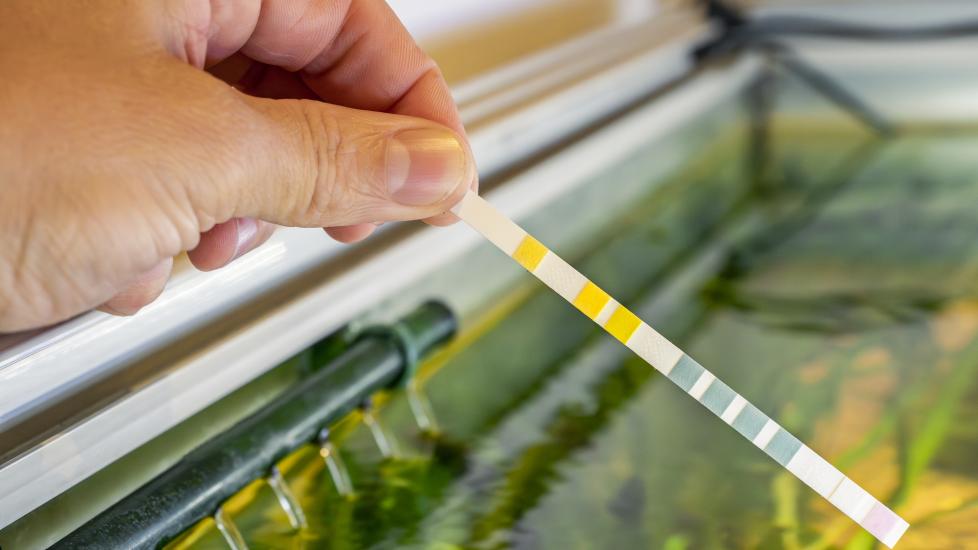
In This Article Why Does Fish Tank Water Need To Be Tested? View 4 More +

In This Article Overview View 8 More +


What Is a Horse Whisperer? Your Guide to Natural Horsemanship

The 5 Best Winter Dog Sports and Activities to Try With Your Pup