7 Reasons Why Invisible Fences for Dogs Don’t Work
In This Article How Does an Invisible Fence Work? View 2 More +


In This Article How Does an Invisible Fence Work? View 2 More +
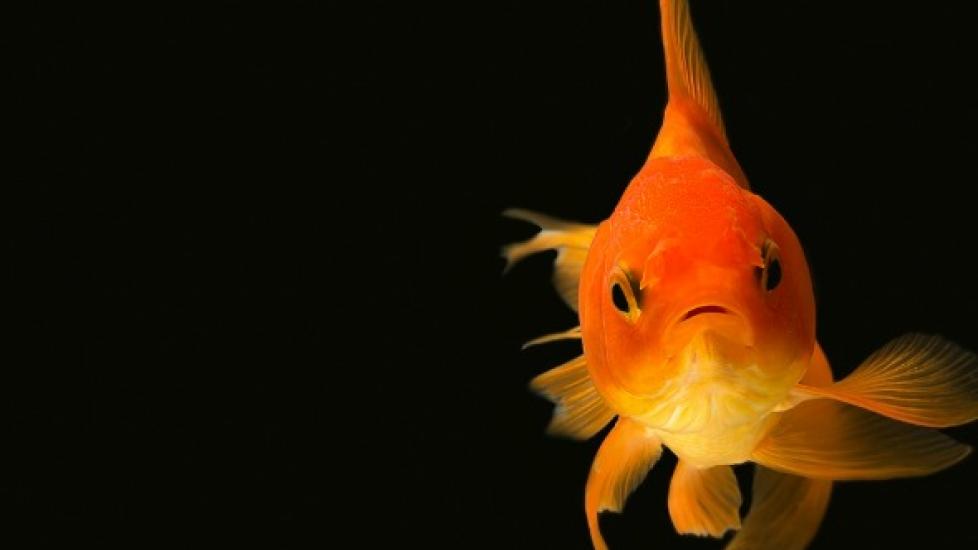
Anemia is a heart and blood vessel condition which is recognized by the low number of red blood cells found in the animal. It can affect many types of fishes, so be observant of your pet and take your animal to the veterinarian if anemia is suspected. Symptoms and Types The most common symptom — which is also quite visible — is abnormally pale gills in your fish.
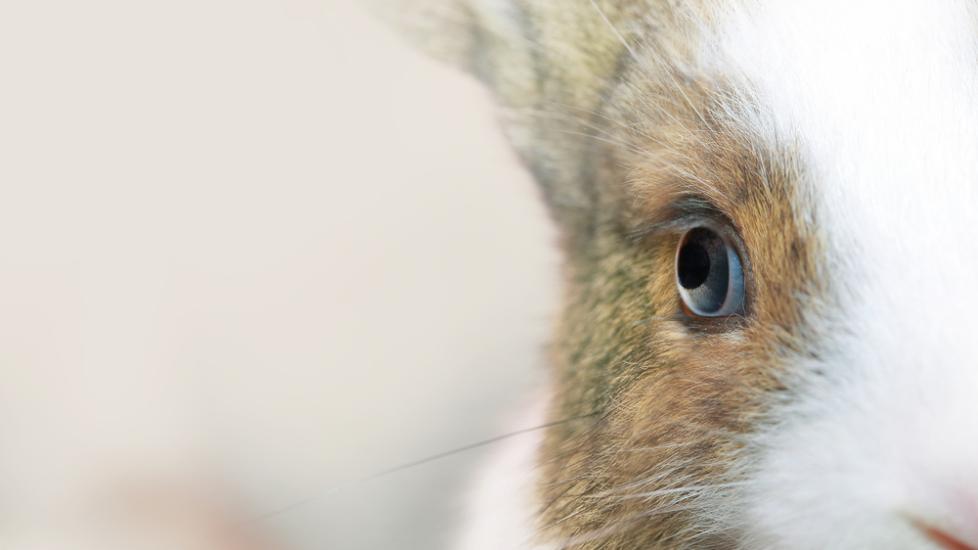
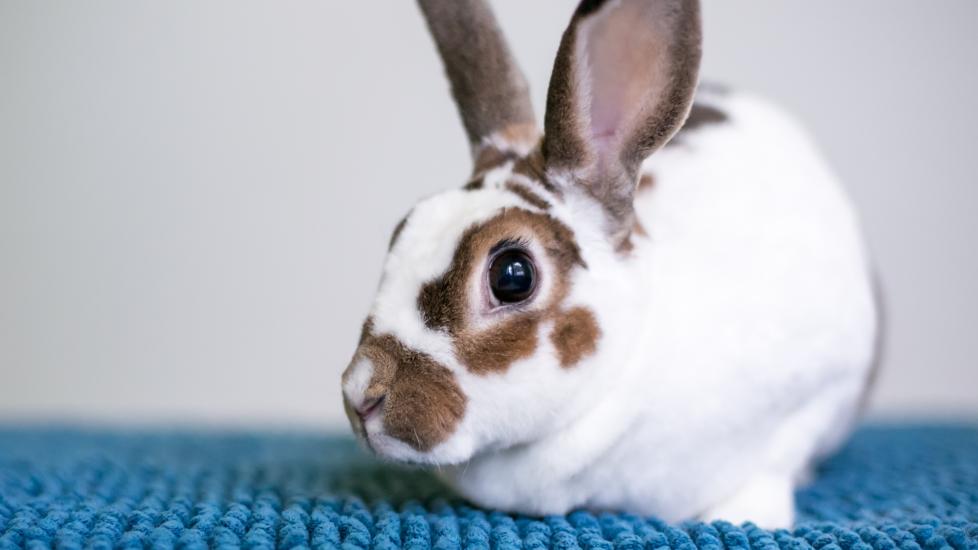
Hyperemia and Red Eye in Rabbits Red eye is a relatively common condition which causes swelling or irritation in the rabbit’s eye or eyelid. This appearance of blood vessels in the eyeball can develop because of various reasons, including many systemic or body diseases. If your rabbit has red eye, seek veterinary advice immediately, as it is generally a secondary symptom to a more serious condition. Symptoms and Types The signs and symptoms of red eye and related conditions often depend on the underlying cause. For example, if the red eye is due to a dental disorder, there may be signs of tooth decay or dental disease in the animal. Other common signs and symptoms may include: Impaired vision Swollen eyelids Eye discharge Extra tissue around the eyes Nasal discharge and upper respiratory infection or cold Hair loss and crusting in the mucous membrane, especially around the eyes, nasal area and cheeks Lethargy Depression Abnormal posture Facial masses Causes Because there are many causes to rabbit red eye, it is often difficult to identify the exact cause. However, some factors may include: Bacterial infections, including Treponema cuniculi (or rabbit syphilis), which can cause swollen eyelids Conjunctivitis, a common disorder causing red eye that can result from allergies, bacterial or viral irritants; sometimes occurring as a side-effect of a respiratory tract infection Keratitis, which is usually a fungal infection of the eye, and which can follow an injury to the eye Glaucoma, which if left untreated, can cause blindness Dental diseases, which can bring debris in the eye, causing inflammation or blocking a tear duct Diagnosis The veterinarian will run a variety of laboratory tests to diagnose the cause for the rabbit’s red eye. This includes skin and other type of cultures, as well as exams testing for cataracts and other ocular diseases that can impair vision and health. If the veterinarian is still unable to diagnose the condition, they may run special tests including: Tonometry – measures the eye pressure in order to diagnose glaucoma and other related disorders Schirmer tear test – detects dry eye , a condition which can lead to red eye Cytologic examinations – identifies infections within the tear ducts and surrounding tissues Fluorescein stains – helps rule out ulcerative keratitis, a condition which can lead to red eye Treatment Treatment is almost always dependent on the underlying cause of the condition. For example, if the rabbit’s red eye is due to a dental disease, a tooth extraction may be necessary; whereas a case of bacterial-caused red eye may require an antibiotic prescription. To alleviate the rabbit’s pain, the veterinarian will prescribe topical anti-inflammatory medication. In some cases, animals will require a short-course of topical steroid agents, especially rabbits with ulcers, delayed wound healing, and those with certain infections. Living and Management Some animals may require long-term pain management. Still others may require repeat eye exams to help ensure the rabbit’s eye inflammation is managed properly, and that eye pressure remains stable to help prevent blindness.
In This Article General Care View 5 More +
Related Articles Spring Cleaning: 5 Household Cleaners to Avoid Near Dogs Pet Poison Helpline Veterinarian Team 5 Unexpected Rainy Day Dangers for Dogs Katie Grzyb, DVM Tips for Safely Biking With Your Dog PetMD Editorial Can Dogs Eat Grapes? Victoria Lynn Arnold Tibetan Mastiff Janelle Priestas, DVM Mastiff Teresa Kho-Pelfrey, DVM
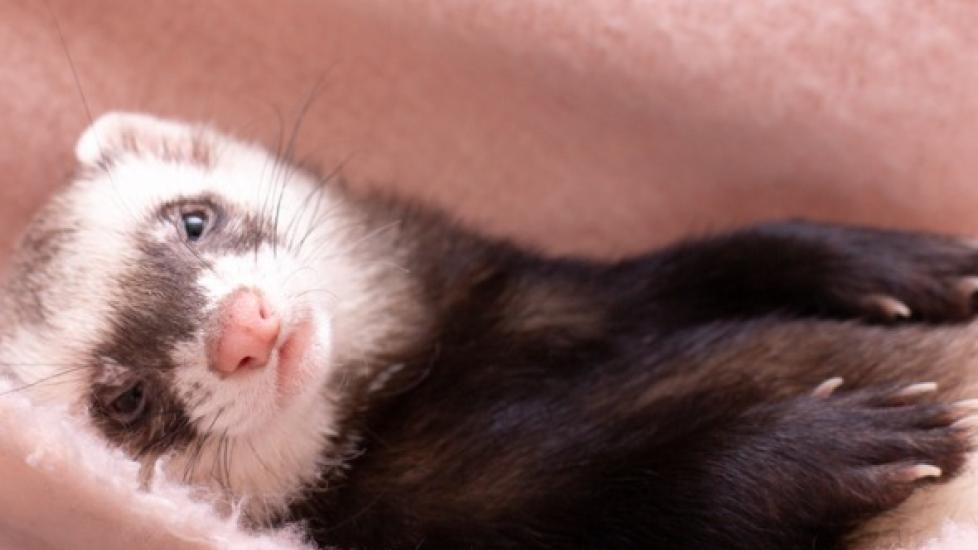
Epizootic catarrhal enteritis (ECE) is a highly contagious viral infection in ferrets. It often recognized by the inflammation it causes in the ferret’s intestines. Older ferrets develop the severest form of the viral infection, and also take the most time to recover — about a month. Symptoms and Types The viral infection causes damage to the villi — hair like projections in the lining of the intestines. Due to the damage, the intestine looses its ability to properly digest and absorb food. ECE display symptoms in the ferret about two to fourteen days after the infection, including: Loss of appetite Greenish, watery or slimy diarrhea (green poop) Stools stained black with blood Dehydration Sluggishness (lethargy) Weight loss Weakness

In This Article Body Language View 4 More +
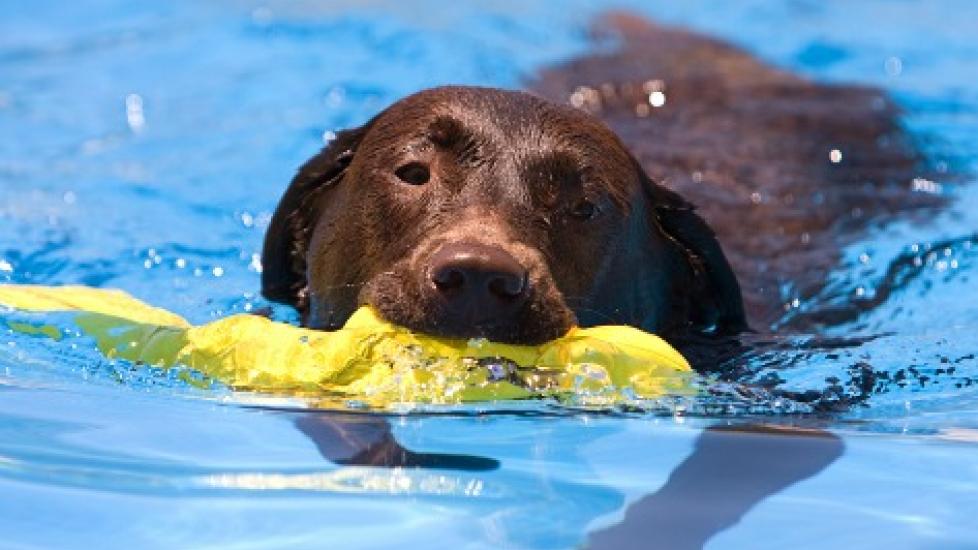
By Aly Semigran Swimming provides humans with plenty of benefits, from cooling off on a hot summer day to staying in shape. And it turns out our canine companions may also reap rewards from time spent in the water. Whether you want to keep your working dog in shape, ease your pup’s arthritic pain, or get him back on his feet after surgery, getting your dog in the water may be just the thing he needs. Benefits of Water Therapy for Dogs There are a few reasons why a pet parent may consider taking their dog to an aquatic therapy facility, be it of their own volition, or under the recommendation of their veterinarian. “Water therapy is beneficial in a variety of different areas,” explains Dr. Jonathan Block, DVM, of Water4Dogs Canine Rehabilitation Center in New York. “From a preventative perspective, hydrotherapy is good for fitness, body condition, and a great source of aerobic exercise that is low impact on the bones and joints. It is a great tool to help your dog stay in optimal shape.” When it comes to fitness, strength, and conditioning, aquatic therapy is an exercise that can be done year-round for dogs as young as a year old. For instance, when the pavement in the wintertime is lined with ice or salt, a dog who is used to working, or running alongside his owner, can stay in shape thanks to water exercise. Another common reason why dogs are brought in for aquatic therapy is to help them recover following surgery (for something like an ACL tear), or to help arthritic dogs work their joints, maintain muscle mass, and move around comfortably all while minimizing discomfort. “When dogs are not moving, they can lose pretty profound muscle within six or seven weeks,” says Lee Deaton of Natural Healing Whole Dog Wellness in West Chicago, Illinois. “The beautiful thing about swimming—even with an older dog who has muscle loss—is they can exercise in a completely non-weight-bearing environment.” The resistance and buoyancy that water provides, makes it a great exercise environment for pets recovering from injury or for those suffering from joint pain, says Tari Kern, DVM, of Pawsitive Steps Rehabilitation & Therapy for Pets in Rochester Hills, Michigan. “Water is denser than air, so movement through the water and the resistance to that movement helps to work the muscles quite well, she says. “The duration of exercise needed in water may be less than [the duration] needed for similar exercise on land.”

by Lynne Miller As more smokers indulge in vaping, the ASPCA Animal Poison Control Center and Pet Poison Helpline report a growing number of cases of pets being sickened by e-cigarettes and their components. Poisoning from e-cigarettes is a relatively new threat to animals. Electronic nicotine delivery systems were introduced in the U.S. about ten years ago, according to the Consumer Advocates for Smoke Free Alternatives Association, and many adults use e-cigarettes in an attempt to quit smoking. However, e-cigarettes and e-pipes usually contain liquid nicotine, which is poisonous to pets, says Dr. Tina Wismer, medical director of the ASPCA Animal Poison Control Center. In recent years, the ASPCA’s poison control center has seen a decrease in the number of reports of pets getting sick from ingesting tobacco cigarettes while incidents involving e-cigarettes have been on the rise, Wismer says. And while Wismer is not aware of any animal deaths, “we’ve had animals that have had to undergo treatment at a veterinarian’s office and probably would have died if treatment had not been provided,” she says. Learn more about signs of nicotine poisoning in pets and the dangers associated with vaping, below. Symptoms of Liquid Nicotine Poisoning Compared to the nicotine in conventional cigarettes, the amount of nicotine in the liquid can vary from small amounts to much more than a cigarette, Wismer says. Dogs and cats can become seriously ill very quickly after ingesting even small quantities of liquid nicotine, which is absorbed in the body more rapidly and completely and sometimes in greater amounts compared to cigarettes, she says. An animal that has ingested nicotine will most likely vomit and, depending on how much nicotine the animal has ingested, she may appear agitated, drool, have diarrhea or a high heart rate, Wismer says. Pets that have consumed larger quantities of nicotine may seem depressed, have a low heart rate and low blood pressure, and these symptoms often precede death, she adds. The dog’s size makes a difference, too. “The smaller the dog, the less nicotine it can take.” In most cases, nicotine poisoning is not fatal. If they receive prompt veterinary care, pets usually recover, says Dr. Charlotte Flint, senior consulting veterinarian with the Pet Poison Helpline—an organization that reported 86 cases of pets being exposed to e-cigarette liquid in 2017, up from 80 cases in 2016. “It would be rare for a pet to have lasting effects after nicotine poisoning,” she says. “This is a type of poisoning where symptoms occur rapidly, usually within an hour, and resolve quickly, in most cases within 24 hours.” Treatment for Liquid Nicotine Poisoning If you discover your pet has chewed on an e-cigarette or cartridge or gotten into your nicotine, you should take her to the veterinarian right away. If the pet has not vomited already, the doctor may try to induce vomiting or give the animal activated charcoal to bind the nicotine, Flint says. Animals that are throwing up or drooling may be given anti-nausea medications. Sometimes, intravenous fluids are administered to speed up the removal of nicotine from the animal’s body and help treat hydration and blood pressure problems. A dog or cat experiencing seizures as a result of the nicotine poisoning would be given anti-convulsant medications, Flint says. If problems with the heart rate or blood pressure develop, the pet would receive heart medication. Pets often stay at the hospital where staff would monitor their hearts and breathing and watch for neurological symptoms, Flint says. Additional Dangers of Vaping Around Pets Dogs can also get sick from chewing on and ingesting pieces of the e-cigarette batteries, Wismer says.“Batteries can cause burns because of the alkaline,” she says. While some people use smoking devices to inhale marijuana, it’s not clear whether exposure to secondhand marijuana vapor from an e-cigarette would hurt pets. “We don’t really know how much from the kit is absorbed by the person doing the inhaling,” says Dr. Patrick Mahaney, a veterinarian based in Los Angeles. “Whatever is exhaled could have a toxic effect on pets.” The concern is related to the tetrahydrocannabinol—which is the primary active ingredient in marijuana and is toxic to pets, he says. Animals that have been exposed to THC may exhibit unusual behavior such as euphoria, vocalization and static ataxia, where the animal stands on all four legs and rocks back and forth, says Mahaney. Other side effects of THC include hypersensitivity to noise, dribbling urine and enlarged pupils. What effect secondhand exposure to e-cigarette vapors has on animals is hazy at best, but health authorities are starting to raise concerns. In 2017, the World Health Organization said passive exposure to e-cigarette vapor could lead to adverse health effects in humans. The organization noted that secondhand aerosols from e-cigarettes are an air contamination source for hazardous particulate matter. Therefore, Flint advises pet owners to err on the side of caution. “We know the risk of secondhand exposure is lower with vaping compared to traditional smoking but it doesn’t appear to be risk free,” says Flint, who recommends pet parents avoid vaping near their animals.
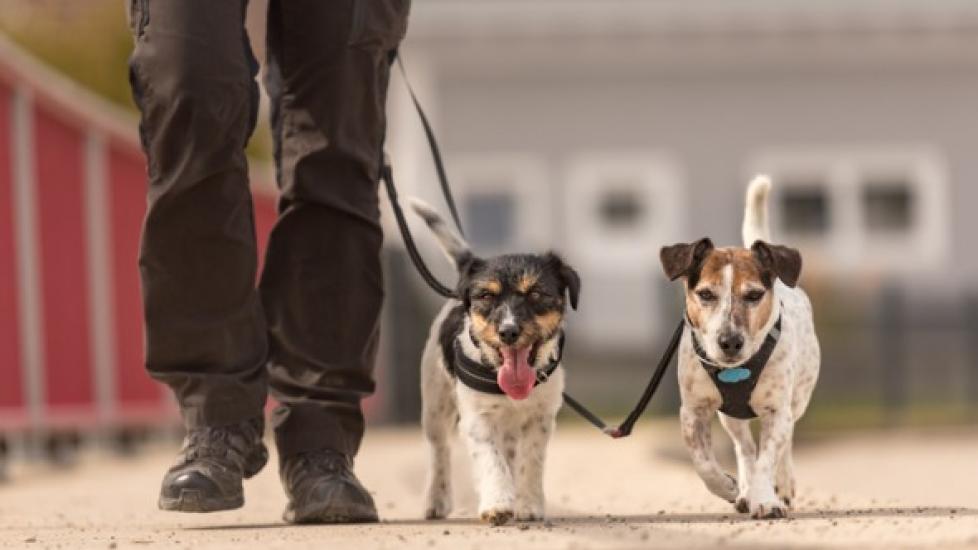
How to Put on a Dog Harness No matter what type of no-pull harness you select, give your dog the opportunity to acclimate to it. If the harness has several adjustment points that ensure a precise fit, like the PetSafe Easy Walk dog harness, adjust the straps to your dog’s approximate size before you put it on her. Trying to do the initial fitting while your dog is wearing the harness might make her fidgety. Make sure to check for potential tight spots around your dog’s underarms that could lead to chafing. It also helps to pair the initial introduction to the no-pull harness with dog treats so your dog understands that wearing it is a positive experience. If the harness slides over your dog’s head like the Chai’s Choice 3M reflective dog harness, use a larger, petgd.com treat to encourage your dog to feel comfortable with the process. Hold the treat just inside the neck piece so that your dog willingly puts her head inside to eat it. Remember to give your dog treats as you set off on your first no-pull harness walk so that the experience is pleasurable for you and your dog. Image via iStock.com/KThalhofer,WRITTEN BY Victoria Schade, CPDT-KA Animal Trainer,No-pull dog harnesses offer a gentle way to manage dogs that pull while on a lead. But because there are so many different dog harness options available, trying to select the perfect one for your pulling pooch can be overwhelming. Whether you’re dealing with a dog that’s been pulling for years or you’re leash training a puppy, a no-pull harness can help both you and your dog find a more comfortable way to walk together. Management vs. Leash Training a Dog to Stop Pulling A no-pull dog harness can dramatically lessen the strain of a dog pulling on the leash by managing the behavior, but it won’t train your dog to stop pulling. When you remove the no-pull harness, it’s likely your dog will go back to dragging you down the street. While many pet parents don’t mind relying on a management tool to decrease pulling, if you want to truly get rid of “sled dog” behavior, you’ll have to work on positive reinforcement leash training in conjunction with using a no-pull harness.


What Is a Horse Whisperer? Your Guide to Natural Horsemanship

The 5 Best Winter Dog Sports and Activities to Try With Your Pup