What Is Fading Kitten Syndrome? Symptoms, Causes, and More
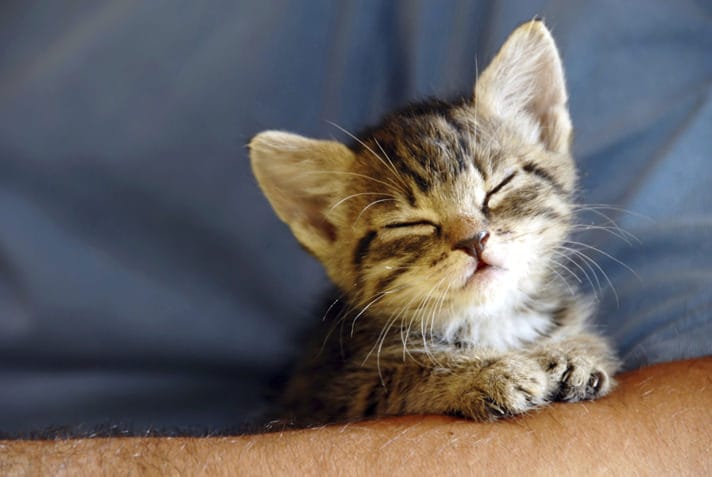
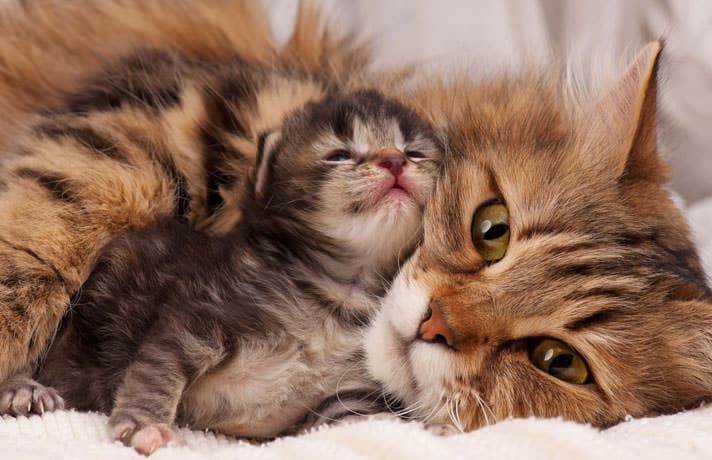
In a litter of kittens, those who are smaller than their littermates may be the ones at highest risk for Fading Kitten Syndrome, which is sometimes referred to as “failure to thrive.” Healthy kittens are warm and have some fleshy padding over their bony points, whereas a kitten may be sick if she feels cold in the presence of sufficient environmental warming or feels bony. Sick kittens may also exhibit symptoms of: Excessive crying, even after feeding, or they may just not nurse well. Healthy kittens nurse almost immediately after birth, while a fading kitten may have a poor suckling reflex. Separating themselves from the rest of the litter Seeming limp or weak when picked up Unpleasant odor not related to normal urine or feces, if infection is present Any vomiting or diarrhea should be considered life threatening and requires immediate veterinary care. Diarrhea is present in about 60% of sick kittens and may cause excessive fluid losses and weakness. Other warning signs that indicate immediate medical attention is needed for a kitten include: Abdominal distension Gray, pale, or yellow mucous membranes Nasal or eye discharge Sneezing Labored breathing Thin body condition Some congenital malformations may be easily seen and others may not. These physical anomalies may predispose the kitten to a shortened life, depending on location and the severity.,Jump to section Symptoms of Fading Kitten Syndrome Watch for These Kitten Milestones Possible Causes of Fading Kitten Syndrome Kitten Fading Syndrome Treatment Options