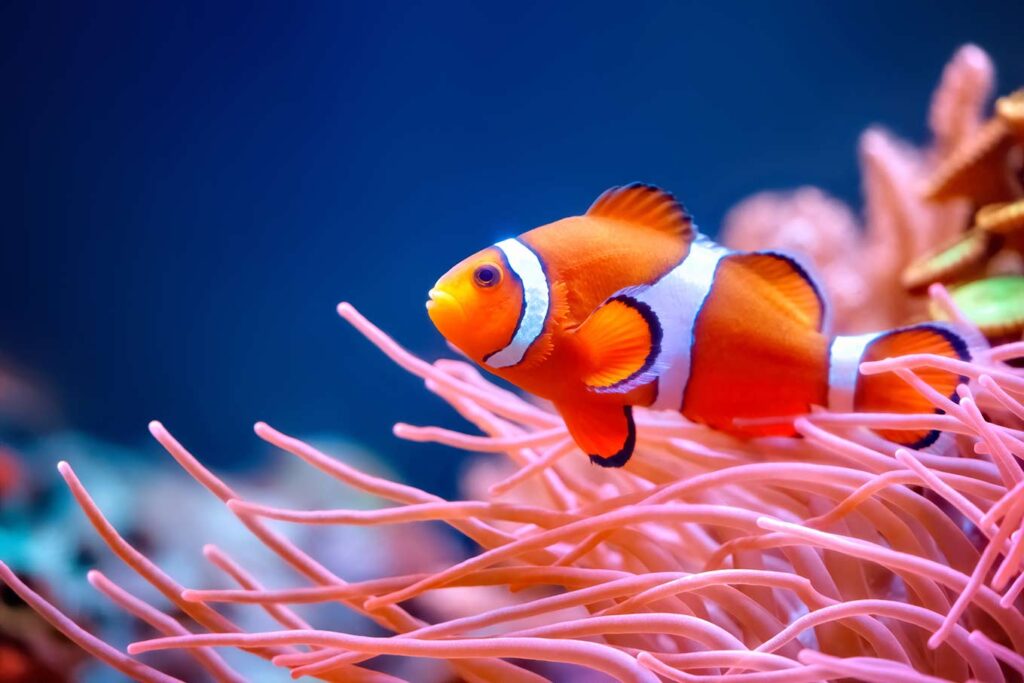
Where our fish come from, and how they were obtained, is important information to consider when stocking a system. We have three main options: wild-caught, tank-raised, or captive bred. Wild-caught obviously refers to animals that have been captured in the wild and brought into captivity, but the other two terms are not necessarily clear cut. Tank raised means that eggs or larvae have been collected from the wild and raised in captivity, while captive/tank-bred refers to animals that have been reared from egg to adult in a captive environment. Many species are not currently available by any means other than wild collection, and I feel sustainable harvesting can have a positive impact on indigenous people, who make a living capturing aquarium animals while being given a strong reason to protect that environment for the future. Sustainable wild collection for the aquarium trade has the potential to protect our world’s coral reef ecosystems by showing coastal people the true value of their natural resources so they understand the importance of keeping these underwater habitats healthy. If the reefs are healthy, there will be many fish to collect and plenty of work, both for the current generations and those to come. While there are valid reasons for some aquarists, particularly those who have many years of experience or are breeders, to choose a wild-caught animal over a captive-bred one, for the vast majority of us, tank-raised and captive-bred specimens should be our preferred options. These animals are perfectly adapted to aquarium life, used to eating commercial foods and unlikely to harbor disease. They also reduce stress on ecosystems from collection pressure by eliminating the need for all ornamentals to be wild-caught, and they are often considered to be the best livestock available. The number of captive-bred marine ornamental species that aquarists now have access to is constantly growing and not in any small part due to the efforts of dedicated hobbyists as well as nonprofit organizations—such as Marine Breeders Initiative, a breeder’s award program that supports and promotes the captive breeding of marine organisms—and companies, such as Oceans, Reefs, and Aquariums (ORA) and Sustainable Aquatics (SA), which supply our trade with 100 percent, captive-bred fish and aquacultured corals. According to a 2014 list of captive-bred marine fish, approximately 250 species of ornamentals have now been tank-bred, ranging from anemonefish to gobies to seahorses. This certainly does not mean that we regularly have access to every species that has been bred thus far, but the more we support these efforts with our wallets, the better chance we will have of one day being able to choose from hundreds of readily available tank-bred marine fish without feeling limited to a tank full of clownfish. This article is meant to be a top 10 list of captive-bred marine ornamentals currently available, accompanied by information about their life history, care requirements and their respective places in the world of tank-bred fish. I will, of course, have to begin with the most well-known of all captive-bred fish: Amphiprion ocellaris.