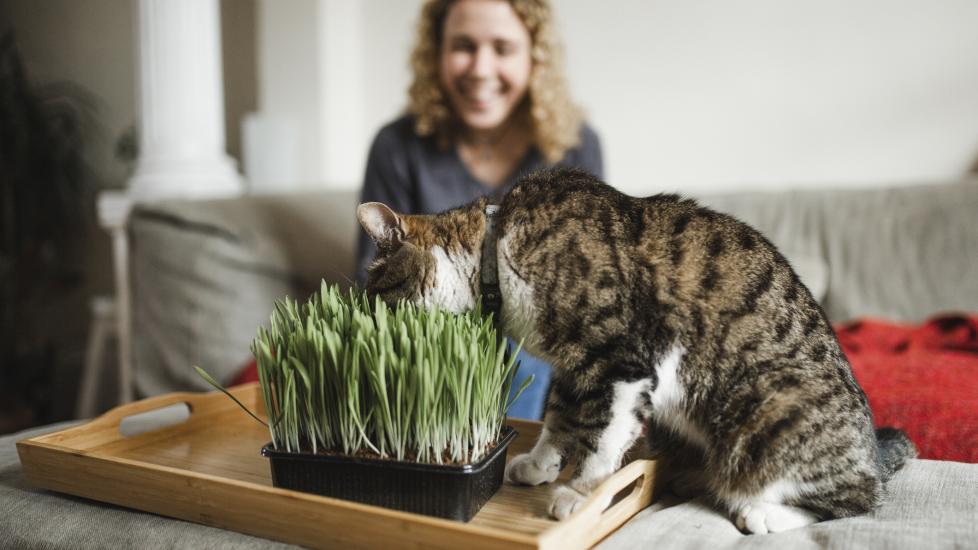
Why Do Cats Eat Grass?
In This Article Why Is My Cat Eating Grass? View 3 More +


Cats
In This Article Why Is My Cat Eating Grass? View 3 More +
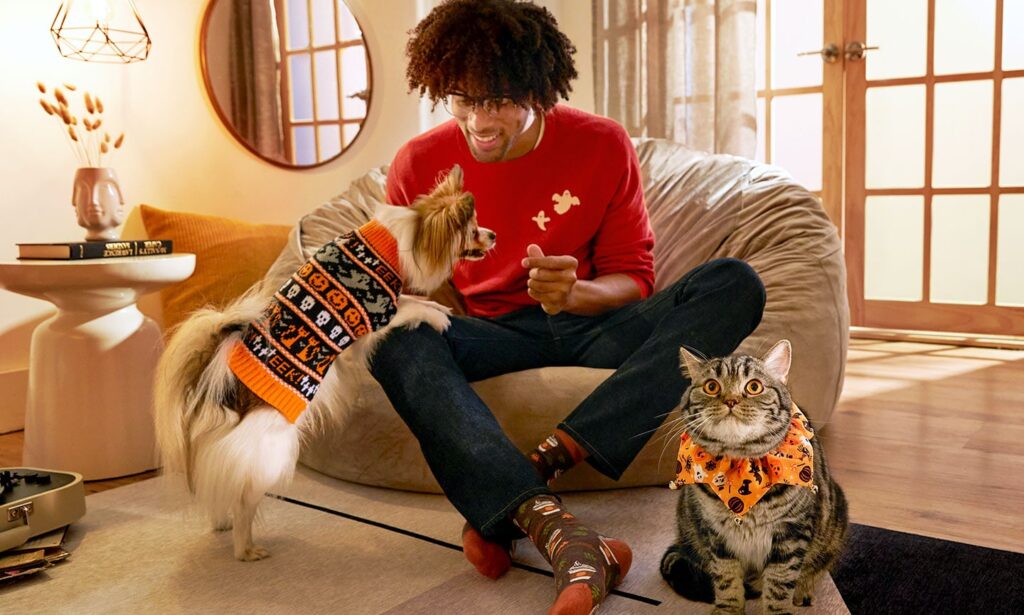
Looking for an ultra-easy way to lean into the season that your pet will have zero reason to resist? We’ve got you. Simply swap your pet’s everyday collar or leash with a Halloween-themed one. There’s a seasonal design to suit every four-legged trick-or-treater, from classic pumpkin prints to trendy pop culture characters.,Of course you would LOVE to dress your favorite floof up in an elaborate Halloween costume. (Frighteningly-cute photo shoot alert!) But not every pet is cool with wearing a full-on Halloween getup, and if they don’t want to be a taco cat or Superdog, then so be it. No need to miss out on all the fun, though. Pet Halloween accessories, like collars, leashes and bandanas, are a simple way to ease your pet into the spooky spirit, and they make for some pretty howl-worthy pics, if we do say so.
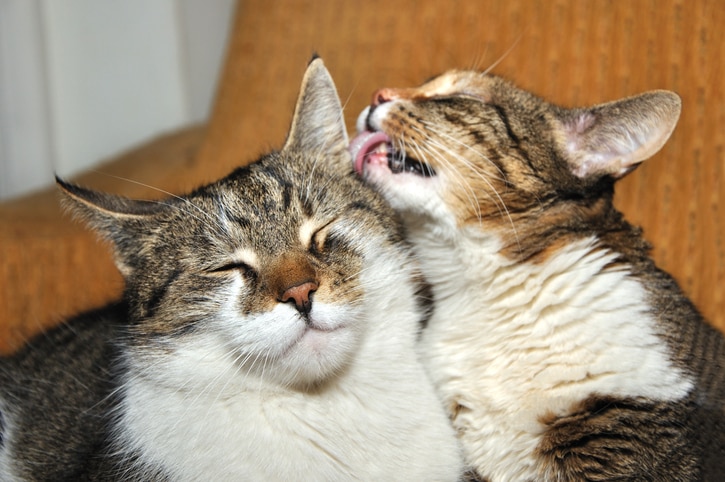
Q: My cats often lick each other’s fur while they’re cuddling. It’s a cute behavior, but do all cats groom each other? Is this normal? A: Yes, it’s completely normal for cats to groom each other. It’s called allogrooming, and they often do it to show affection, grow their bond, and keep clean. We spoke with a certified cat behaviorist and a veterinarian to learn more about this feline behavior.
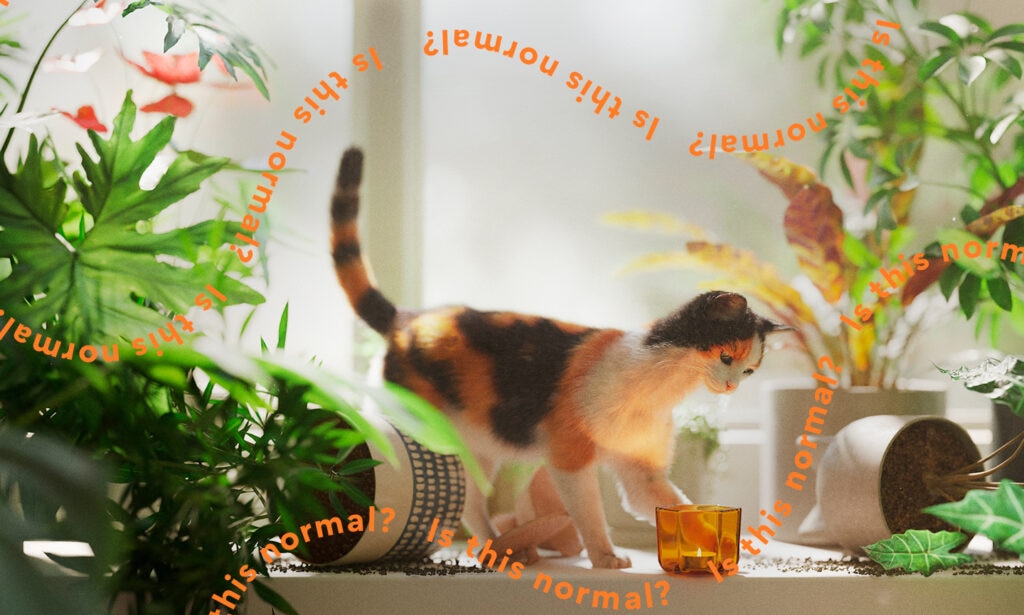
We talked with Mieshelle Nagelschneider, cat behaviorist and owner of The Cat Behavior Clinic in Seattle; and Stephen Quandt, CFTBS, founder of Stephen Quandt Feline Behavior Associates, LLC, in New York City to learn more about this quirky and chaotic behavior. ,Jump to section Why Do Cats Knock Things Over? How Do I Stop My Cat From Knocking Things Over?
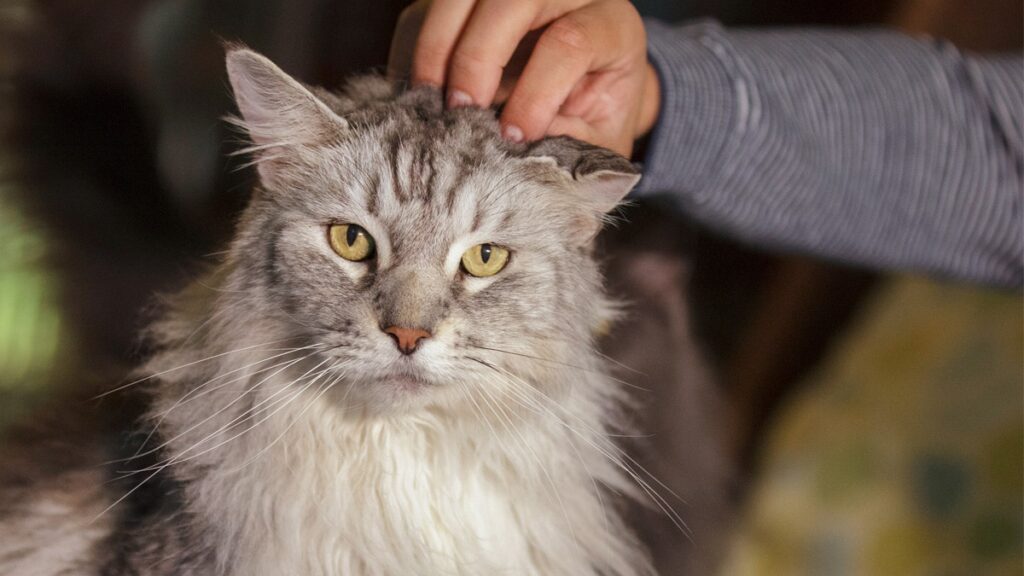
Cat parents know why felines make great pets. For starters, they’re intelligent, graceful, loving and arguably the best cuddle buddies a pet parent can have. If you are a cat lover, you will be thrilled to know that there are particularly large cat breeds that offer more to love than your standard kitty. These big house cats are joining the ranks of the most popular types of cats due to their temperaments and adorably large stature. They have a growing reputation for being more people-centric, affectionate and incredibly smart when it comes to learning tricks and following commands. Just keep in mind that predicting the personality of any individual cat based on breed characteristics is not always accurate. “Reputations are based on generalizations, and any particular cat… may or may not conform to that reputation,” cautions Mikel Maria Delgado, PhD, Postdoctoral Fellow in Animal Behavior at UC Davis School of Veterinary Medicine. “Cats are individuals, and genetics and environment all play a role in a cat’s personality and behavior.” The research on cat genetics in regards to relationship to personality is very limited. Unlike dogs, “Traditionally, cats have been bred for looks, not behavior, although it is possible that some personality traits came along for the ride,” notes Delgado.

In This Article What Does Blood in Cat Vomit Look Like? View 6 More +
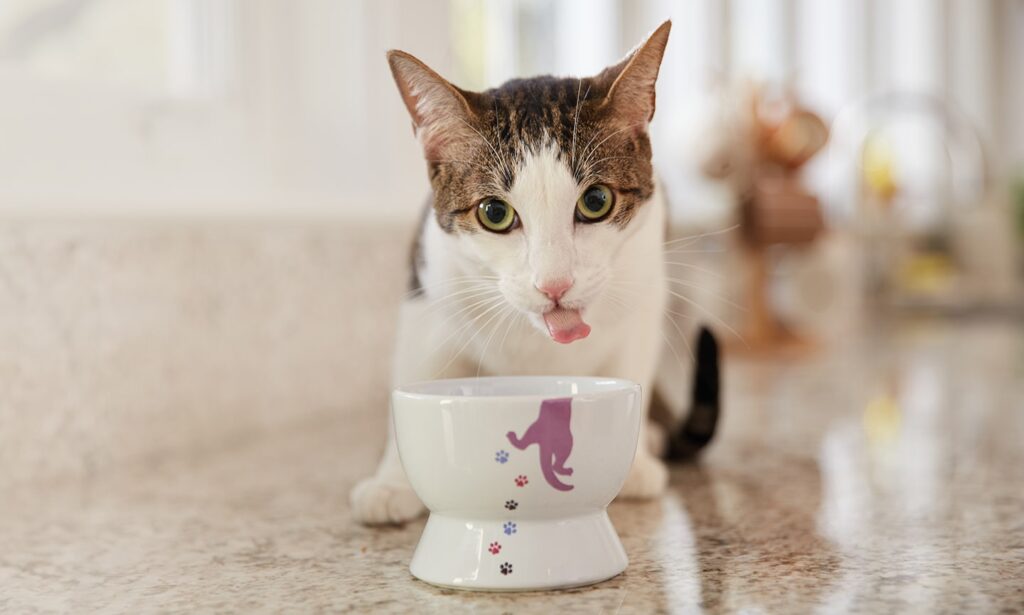
Diabetes mellitus in cats is a chronic condition where the body either doesn’t produce enough insulin or can’t effectively use it. Insulin is essential for regulating blood sugar (glucose) levels, and when it’s insufficient or ineffective, glucose builds up in the bloodstream, leading to high blood sugar levels. Diabetes is a relatively common condition in cats, with estimates suggesting that between 1 in 100 and 1 in 500 cats will develop diabetes in their lifetime.,Jump to section What Is Diabetes in Cats? What Are the Signs of Diabetes in Cats? What Causes Diabetes in Cats? How Do Veterinarians Manage Diabetes in Cats? How Can I Help My Diabetic Cat at Home? How Do I Prevent Diabetes in My Cat? FAQs About Diabetes in Cats
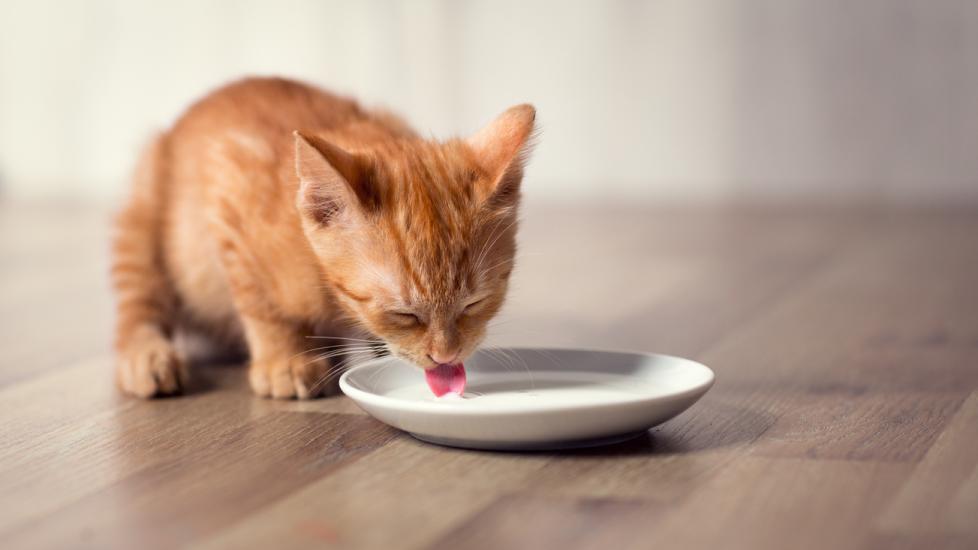
What Can Cats Drink Instead of Milk? Humans have so much variety in what we like to drink, but this isn’t the case with cats. Often prone to dehydration, cats benefit from lots of fresh water. If you want to provide your kitty variety in what they drink, try offering water in different ways. For example, move water from a dripping faucet or water fountain in addition to their water bowl. If your cat likes cold water, add some ice to their bowl. Or, add several tablespoons of water to your cat’s canned food, making a soup of the meal. If you make the water appealing enough, it can be just as special as milk—but with a lot more health benefits. Featured Image: iStock/LuckyBusiness,WRITTEN BYSandra C. Mitchell, DVM, DABVP Veterinarian Sandra Mitchell is a 1995 graduate of the New York State College of Veterinary Medicine. Since graduation, she has worked in many fields…,Every morning, your cat is there and waiting for you to pour milk onto your cereal, hoping that you might spill a drop or two. Clearly, the taste of milk is very attractive for many cats, leading you to wonder: Can cats drink milk? Will drinking milk make your cat sick? Is milk good for cats, or are cats lactose intolerant? Read on to learn the scoop on milk for cats.
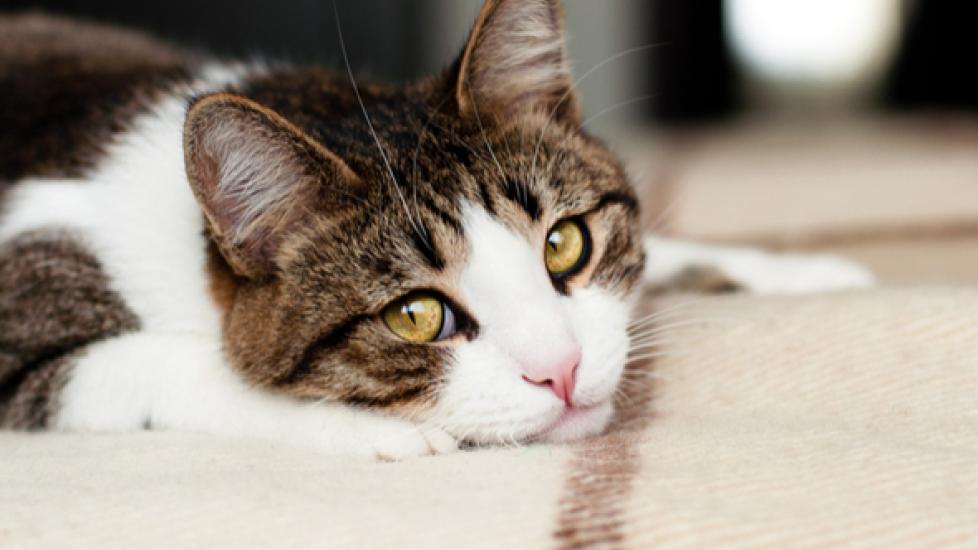
When you’re hit with an upset stomach, you seek sympathy from your cat while contemplating the contents of your medicine cabinet. But cat stomach issues are different. If your cat throws up, or you wake up to the nasty reality of cat diarrhea, your kitty relies on you to find out what’s wrong and how to get her back on track. Symptoms of Cat Stomach Upset “Symptoms of an upset stomach in a cat include licking the lips, which is a sign of nausea, vomiting and refusing to eat,” says Dr. Elizabeth Arguelles, medical director and founder of Just Cats Clinic in Reston, Virginia. “Possibly the cat ate something it shouldn’t have, like a bug or a leaf of a plant.” Diarrhea may also develop if the problem affects the lower part of the gastrointestinal tract. Dr. Mark Rondeau, DVM, BS, of PennVet in Philadelphia, Pennsylvania, says that while vomiting is the most visible sign of cat stomach upset, “a change in behavior, such as being less active or not interacting or hiding in unusual places—a lot of those behaviors are common in cats that may have upset stomachs.” And no, those hairballs that suddenly appear on the new living room carpet are not the same thing as when your cat throws up. “This is an extremely common myth,” Dr. Arguelles says. “There’s a distinction between a hairball—which looks like a piece of poop made out of hair—and vomit, which may have hair in it along with partially digested food or bile.” Dr. Rondeau adds that if a cat occasionally hurls a hairball—ejecting hair that isn’t processed out through the ‘other end’—it’s not something to worry about, but that “the reasons for feline vomiting can include a long list of things.” Possible Causes of Cat Stomach Upset Dr. Arguelles says frequent causes of cat stomach upset include switching cat food too frequently as well as intestinal parasites. Dr. Rondeau adds that parasites are especially common in young cats and kittens. Both Dr. Arguelles and Dr. Rondeau say that food intolerance, food allergies and inflammatory bowel disease (IBD) also commonly lead to an upset cat stomach. More serious causes, such as gastrointestinal cancers, kidney disease and hyperthyroidism, can also result in vomiting. If you are worried that your cat is sick, seek veterinary care immediately, says Dr. Arguelles. How To Cure Cat Stomach Upset Detecting what’s behind your cat’s vomiting is crucial, and that means a trip to the vet. A cat who throws up multiple times in a day or who has not eaten in 48 hours needs to see a vet immediately. Dr. Arguelles says, “Veterinarians have anti-nausea medication that can be given as an injection or as an oral tablet (Cerenia)” as well as medications to help with diarrhea and poor appetite. A temporary switch to a bland diet may be recommended until the cat’s symptoms subside. In some cases, a veterinarian will recommend heartworm medicine for cats or a prescription dewormer for cats. “A cat that is vomiting more than once per month should be examined by a veterinarian, who will deworm—or recommend your cat be on monthly prevention with Revolution, Advantage Multi or Heartgard,” says Dr. Arguelles. Many heartworm medicines for cats also kill some of the intestinal parasites that can cause cat stomach upset. She says a vet may also recommend abdominal radiographs (X-rays) to check for an obstruction, foreign body or other problem, or lab work to seek underlying metabolic causes of vomiting, such as kidney disease and hyperthyroidism. “In cases that have normal labs and radiographs, your vet may then recommend an abdominal ultrasound to visualize the layers and thickness of the stomach and intestines. Sometimes, we find foreign material that wasn’t visible on radiographs, other times we find thickening of the intestines and enlargement of lymph nodes—and then we are looking at either inflammatory bowel disease or gastrointestinal lymphoma,” she says. “The only way to determine which of these diseases is present is through intestinal biopsies.” Dr. Rondeau says if your cat has just started vomiting or is suddenly “lethargic, won’t eat or is hiding, definitely bring him to the vet. But we also see a lot of cats with chronic vomiting… In those cases, maybe they aren’t lethargic, but the owners notice some vomiting and see the cat has lost weight … for those, it is definitely time to check with the vet.” Preventing Cat Stomach Issues Once the serious issues are ruled out, you can work on helping to avoid future cat stomach issues. “The three things that you can do to promote good digestive health in cats are placing them on monthly prevention that deworms them for intestinal parasites, feeding them a balanced diet (not raw and not homemade), and taking them to the veterinarian at least yearly,” says Dr. Arguelles. As long as your cat is healthy, “if you are feeding a high-quality diet, your cat’s digestive health will be good.” High-Quality Diets for Cats Dr. Rondeau agrees that a high-quality diet is key, along with “avoiding table scraps. It is mostly about consistency for cats. If yours is happy to eat the same thing and is getting that balanced diet, don’t switch brands or flavors. We might project onto them that they are bored with whatever brand and taste, but rapid diet changes can create problems.” When cats develop diarrhea, a diet change alone can fix the problem about half the time, explains Dr. Arguelles. “Diarrhea is frustrating in that even if we treat appropriately and make the right changes and recommendations, it can take several days to clear up.” She recommends a vet visit if a diet change doesn’t help or if your cat is vomiting, lethargic or has other worrisome symptoms. Prescription Cat Food Cats with fiber-responsive diarrhea “will respond to adding fiber to the diet. You can do this by feeding Royal Canin Veterinary Diet Gastrointestinal Fiber Response cat food, a prescription cat food that includes brewers’ rice, B vitamins and psyllium husk seed, among other ingredients, or by adding canned pumpkin or Metamucil.” Nummy Tum-Tum Pure Organic Pumpkin is 100% organic pumpkin that can be mixed with dry or canned cat food to help provide some relief to your cat’s stomach. Dr. Rondeau says that a tablespoon of pumpkin with a cat’s food is also often a recommendation for cats with constipation, but adds that “Pumpkin is fibrous, but Metamucil or similar supplements will offer more fiber per volume.”
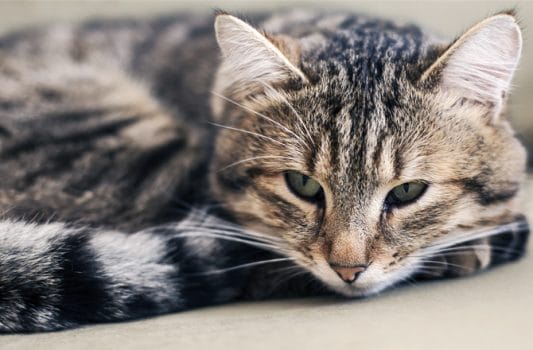
While decoding cat speak can feel impossible at times (Why did he just twitch his tail? What’s that glare about?) cats are actually quite good at giving us clues into what they’re thinking and feeling. “It can be difficult to understand cat behavior or moods, but with some basic knowledge of feline natural history, practice acknowledging body language, and personal experience, owners can become aware of what their cat may be communicating,” said Melissa J. Sigala, behavior and training specialist for the spcaLA.


What Is a Horse Whisperer? Your Guide to Natural Horsemanship

The 5 Best Winter Dog Sports and Activities to Try With Your Pup