Food Allergies and Intolerances in Dogs
In This Article What Are Food Allergies in Dogs? View 7 More +


Dogs

In This Article What Are Food Allergies in Dogs? View 7 More +

Whether it’s reconnecting with family across the country or exploring an exotic new locale, there’s a good chance you’re already dreaming of your next trip away from home. But what are you supposed to do about your trusty canine companion? The good news is that pet travel has never been easier. From hotels and airlines to restaurants and tour companies, dog-friendly travel is on the rise. So if you’re ready for a getaway with your pup by your side, read on—we’ve got everything you need to know about how to travel with dogs this holiday season.

As the weather warms up and the days get longer, going for dog walks becomes a favorite pastime. But before you head out, it’s important to take additional steps to ensure a safe summer stroll, especially on particularly hot days. Whether you’re taking a quick walk around the block, playing with your dog at the park, or exploring the great outdoors, follow these safety tips for walking the dog in the summer.
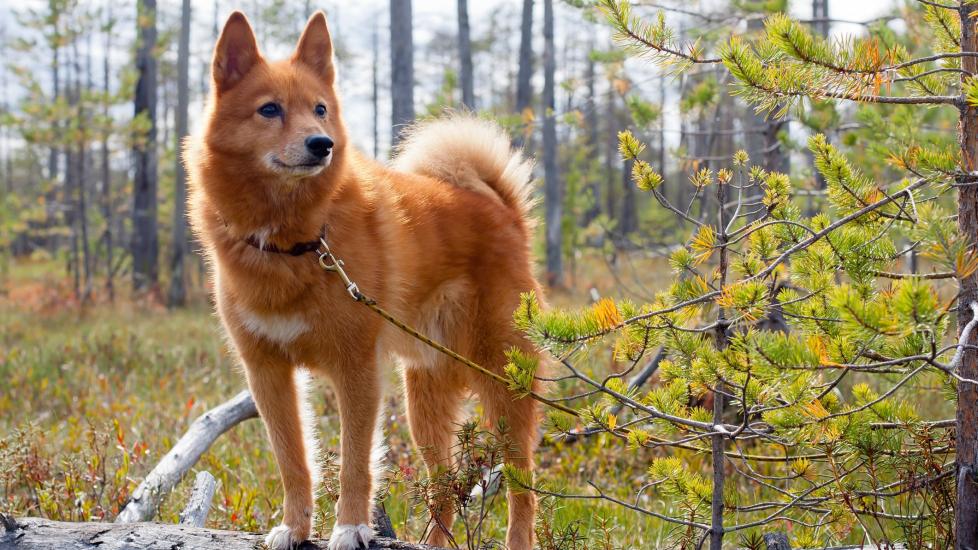
6. Belgian Laekenois Photo by Adobe Stock/Dogs A large rare dog breed, the Belgian Laekenois is related to Belgian Sheepdogs, Belgian Malinois, and Belgian Tervuren. Like their cousins, the Laekenois originated in Belgium, where they were used as working dogs to herd and guard livestock. Laekenois are known for their intelligence, loyalty, and highly energetic nature. They need a family to provide lots of activity and mental stimulation.,7. Finnish Spitz Photo by Adobe Stock/rodimovpavel Friendly, alert, and playful, the Finnish Spitz is one of the cutest rare dog breeds, known for having a foxlike appearance, golden-red coat, and distinctive yodel-like bark used in hunting. Originating from Finland, this breed is independent and intelligent, requiring early and consistent training with positive reinforcement. This breed is highly energetic, so early socialization and regular exercise are crucial. While common in Finland, the Finnish Spitz is rare globally due to limited breeding.,Think of a dog, and you’ll probably picture one of the most popular breeds: a French Bulldog, a Golden Retriever, or a German Shepherd. While these popular pups often take the spotlight, lesser-known breeds often boast fascinating histories, distinct physical features, and unique temperaments that set them apart from more common canine companions. From charming toy breeds with centuries-old origins to big working dogs with specialized skills, rare dog breeds offer a glimpse into the diverse world of man’s best friend. Here are some of the rarest dogs in the U.S.

Melatonin is a natural hormone that has many functions, including the regulation of sleep-wake cycles, and many humans use it to aid with insomnia and irregular sleep patterns. But can dogs have melatonin? “Yep—dogs can use it too,” says Dr. Wayne M. Johnson, veterinarian at Birdneck Animal Hospital in Virginia Beach, Virginia. “It’s actually a pretty common supplement among pet parents.” Vets will give melatonin to dogs for issues such as: Anxiety Mild stress or fear Sleep disorders, like insomnia Canine cognitive dysfunction (dementia) Alopecia (hair loss) Adrenal diseases, like Cushing’s Disease The condition you’re targeting will determine how much melatonin your dog needs. Always speak with your veterinarian about how much melatonin is right for your dog. Dr. Johnson cautions that moderation is key. “Overdosing on melatonin can lead to drowsiness, an upset stomach, or even more serious issues, like changes in fertility or increased heart rate.” Work with your vet to determine the proper dosage, based on your dog’s weight and overall health.,Jump to section What Is Melatonin, and How Is It Used in Dogs? Can Melatonin Be Used For Puppies? How Does Melatonin Work? What Are the Side Effects of Melatonin for Dogs? What To Do If Your Dog Takes Too Much Melatonin FAQs About Melatonin for Dogs

Chewy is helping you find love this Valentine’s Day in the form of a furry, four-legged friend at your local animal shelter. Singles, couples, friends, and dog lovers are encouraged to spend their Valentine’s Day sharing the love by taking a local dog out on a date. On these dates, you’ll never have to worry about awkward silences, splitting the bill, or if your date is actually as tall as they said they were. Chewy will provide you with a Chewy Date Kit, with everything you need for a successful first date, like toys, treats and yes, even poop bags—because when you love someone, you love all of them, right? Whether you’re looking for long-term love or a date with a cutie, Dogs’ Date Out is the perfect way to celebrate Valentine’s Day. Find a shelter near you below and contact them directly to book your Dogs’ Date Out!

In This Article Summary View 5 More +

Everyone likes a cup of hot chocolate on a frigid winter day. However, chocolate contains theobromine, making it extremely toxic to dogs. Carob, on the other hand, is a cocoa alternative that is safe for pups to enjoy. We’ve teamed up with Kevyn Matthews, The Dog Chef, to bring you this exclusive recipe for a dog-friendly “hot chocolate” that pairs perfectly with our dog-friendly biscotti recipe. This “hot chocolate” so sweet and delicious, humans can enjoy it as well. (Just add marshmallows.) Remember, if your dog has a history of dietary sensitivity, you may want to check with your veterinarian before deviating from his regular diet.

4. Non-Shampoo Topicals There are also great products for itchy dogs that are a little harder to bathe regularly. For example, a mousse product can be helpful in maintaining your dog’s skin barrier without a lot of tub time. These products can be applied all over their body or just to problem areas, such as the armpits and lower belly. Many veterinary dermatologists also recommend spot-on therapies like Dermoscent® to moisturize dry, flaky skin and help prevent bacterial infections. If your pup suffers from hot spots, in addition to a medication prescribed by your vet to treat the health issue, a topical spay like Vetericyn® Plus may help soothe itchy skin while your pup recovers. ,One of the most frustrating things to manage in our canine companions is itchiness. Though the occasional scratch at the ears or collar is very normal for dogs, truly itchy dogs will scratch and lick constantly. This behavior is not only annoying for both dog and pet parent, but it can lead to painful skin infections and hot spots if allowed to continue. Itchiness (also called pruritus) has many potential causes. Most commonly, itchy dogs are allergic to something in their environment or food. Parasites like fleas, ticks, and mites (mange) can also make pets very itchy. Some dogs may be born with dry, flaky skin, which can lead to mild pruritus. If your dog’s skin is itchy, some at-home treatments may help. But consult your veterinarian if your pup’s skin doesn’t start to feel better, as treating skin disease can get quite complicated.

Do you start sneezing the moment a cute pup walks into the room? You’re not alone—pet allergies affect up to 20% of the population. But don’t give up on your dog dreams just yet. Hypoallergenic dogs can minimize allergy symptoms, allowing you to become a pet parent without sacrificing your health or comfort.


What Is a Horse Whisperer? Your Guide to Natural Horsemanship

The 5 Best Winter Dog Sports and Activities to Try With Your Pup