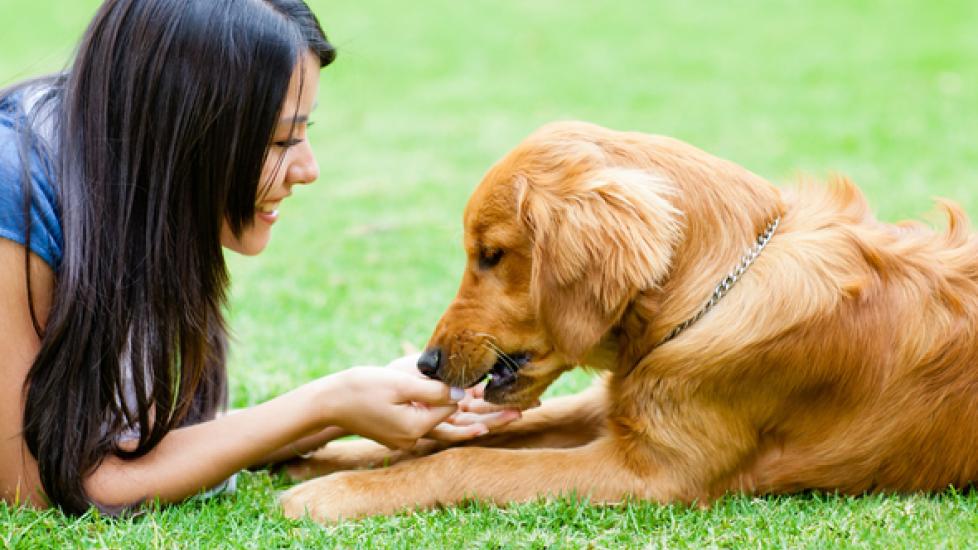
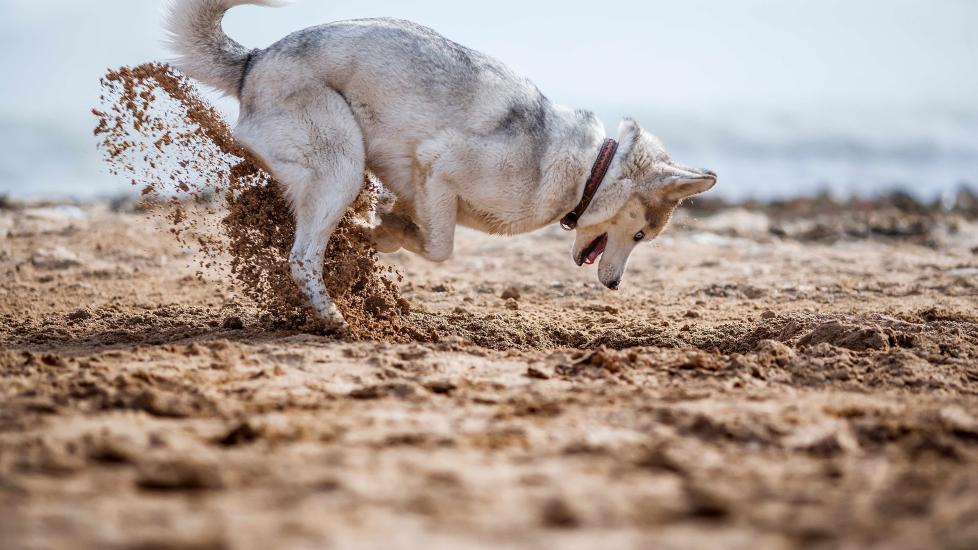
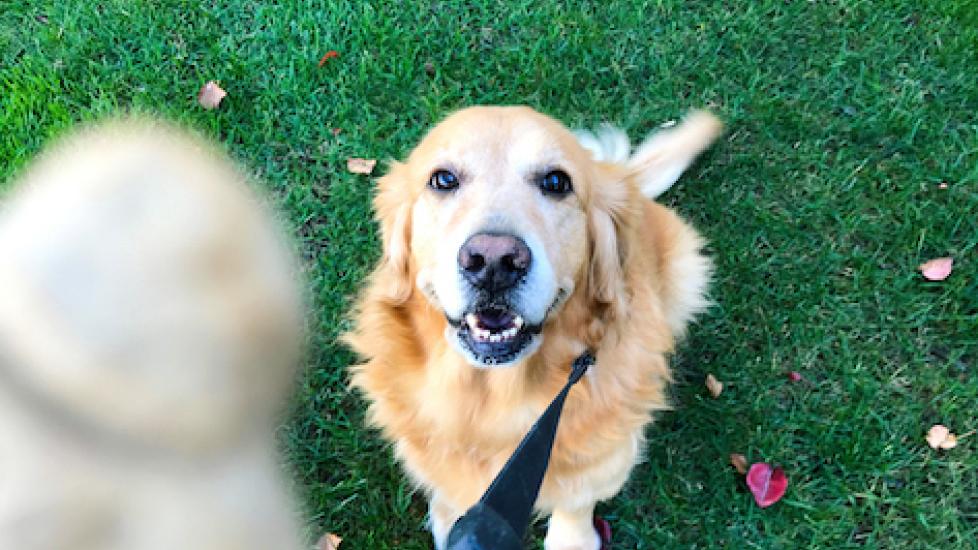
By Paula Fitzsimmons A malfunctioning immune system in dogs can open the door to a host of diseases, such as infection, diabetes, osteoarthritis, and cancer. Keeping your dog’s immune system balanced can help reduce these risks, and contribute to overall health and well-being, according to veterinary experts. The immune system acts like a nonstop housekeeper, describes Dr. Donna Raditic, an American College of Veterinary Nutrition (ACVN) diplomate who does consulting on nutrition and integrative veterinary medicine in Athens, Georgia. It identifies potentially harmful pathogens like bacteria, viruses, fungi, and parasites, then works to eliminate them before they can do harm. And a dog’s immune system monitors cells to ensure they’re working properly. “When other cells are aging or functioning abnormally—such as a cancer cell reproducing too rapidly—the immune system attempts to step in and maintain proper physiological function and balance,” Raditic explains. When this system is compromised, your dog may become increasingly vulnerable to illness. An immune system that’s off-kilter for an extended period can lead to chronic inflammation, which, in turn, can forge a path for disease. Diabetes, osteoarthritis, some liver and heart conditions, asthma, and cancer are just some of the diseases connected to inflammation, says Dr. Ken Tudor, a holistic veterinarian and founder of The Well Dog Place in Claremont, California. Fortunately, there are some simple, natural steps you can take to strengthen your dog’s immune system. Encourage Your Dog’s Innate Love for Play Keeping your dog fit is one of the best ways to boost immune health and promote overall well-being, Tudor says. Storing excess fat weakens the immune system, he explains. “Fat is the body’s largest endocrine gland, responsible for secreting more than 40 different inflammation-promoting hormones,” he continues. “Even the smallest amount of excess fat can increase the amount of these hormones in the body.” Exercise burns fat, which can help counter inflammation, and thus the occurrence of disease. Dogs are naturally active, so adequate exercise and play are important to their health. But exercise doesn’t have to be a chore. In fact, it should be fun, says Dr. Laurie Coger, a holistic veterinarian and owner of The Healthy Dog Workshop. Activities she suggests trying with your canine companion include retrieving, playing, doing scent work, and learning tricks. Ideally, any exercise program should be approved by your vet and based on your dog’s age, breed, and general health. Generally speaking, “if your dog is not doing a 15-minute mile, he’s not burning enough calories,” Tudor says.