How To Trim Dog Nails
In This Article Tools for Trimming Your Dog’s Nails View 4 More +


Dogs

In This Article Tools for Trimming Your Dog’s Nails View 4 More +
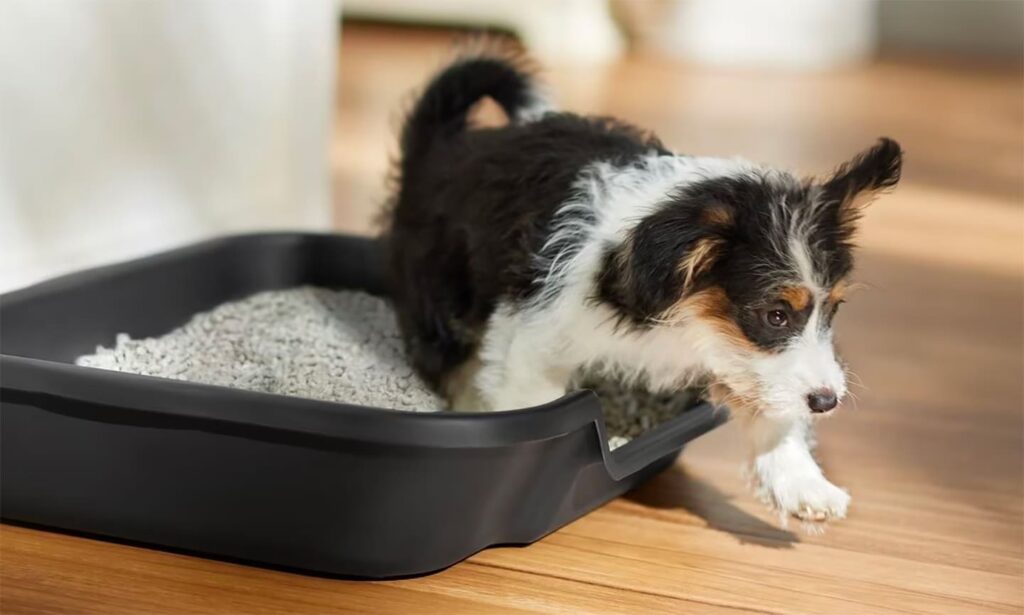
You’d be hard-pressed to find someone who has never heard of cat litter. But what about dog litter? You might’ve thought cats were the only ones with the privilege of using a box to do their business. But thanks to the advent of dog litter—and dog litter boxes—canines can take advantage of this convenience, too. So, if dog pee pads are not working for your pup, consider using a dog litter box with some dog litter instead. We’ll explain how, but first, let’s dive into what, exactly, dog litter is.
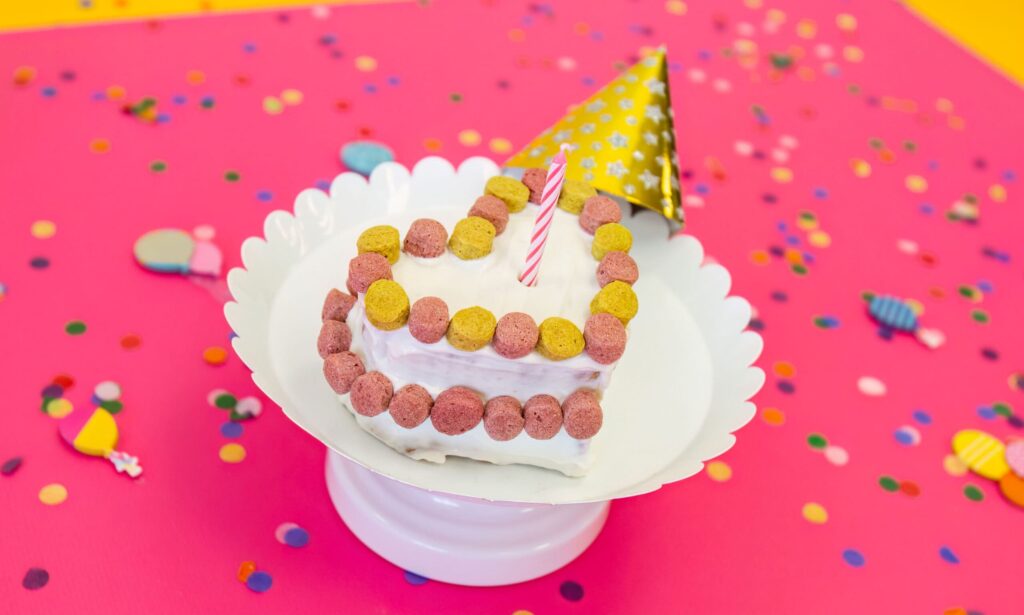
Yield: 2 small cakes Serving size: Small slice* Prep time: 15 minutes Bake time: 25 minutes,A pup’s birthday wouldn’t be complete without their very own birthday cake—and we have just the homemade dog birthday cake recipe that’ll get tails wagging. Loaded with yummy, safe-for-them human foods, like peanut butter, applesauce, carrots and pumpkin puree, and slathered with a peanut butter and Greek yogurt frosting, this dog birthday cake takes less than 30 minutes to bake. You can make one small, 4- to 6-inch cake cake, or make a layer cake by stacking two cakes. And when it comes time for decorating, we highly recommend garnishing this very special treat with either low-calorie dog treats or fresh dog-friendly fruits, like blueberries—for the tastiest finishing touch. Are you and your furry sous chef ready? Here’s how to make a dog birthday cake. Before serving this treat to your dog, consult with your veterinarian beforehand.
In This Article Summary View 6 More +
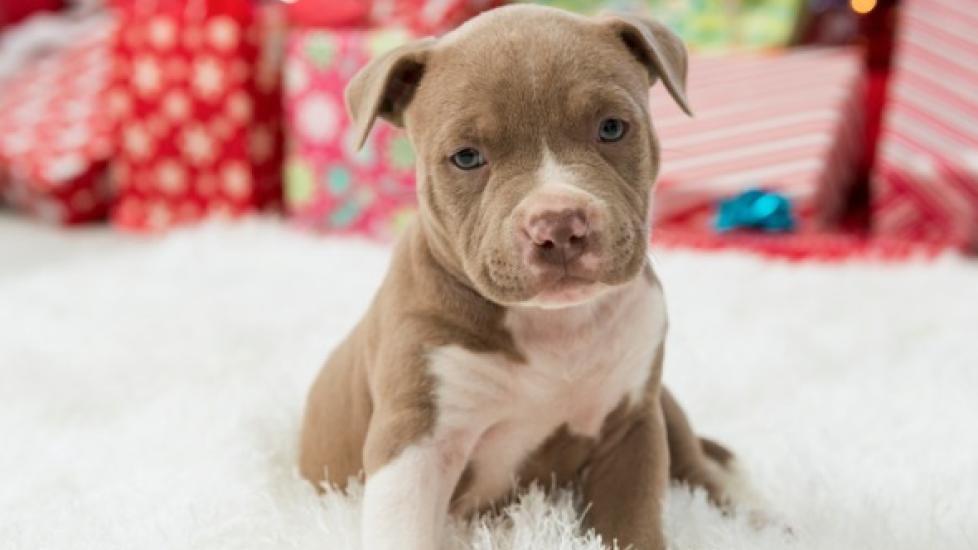
Nothing brings on the holly jollies like sharing the celebrations with a new puppy. But it’s important to remember that puppies are as mischievous as they are adorable. Perhaps more than any other holiday, Christmas brings a host of potential puppy hazards, from toxic foods to dangerous decor. So when you have a new puppy, it’s important to keep safety in mind. Holiday Pet Safety Tips for Your Puppy’s First Christmas 1. Beware of the Bar Whether you’re hosting or taking your puppy to visit friends or family this holiday season, keep an eye on the cocktails. A curious puppy might be tempted to sample a few unattended drinks. “We’ve noticed that dogs especially seem to like creamy drinks like White Russians, but some pets will readily drink unattended glasses of beer, wine, and other alcoholic drinks if given the opportunity,” says Dr. Charlotte Flint, a senior consulting veterinarian with the Pet Poison Helpline, a 24-hour animal poison control service. And it’s not just the drinks you have to worry about. Dr. Flint says, “During the holidays, we also run into issues with dogs getting drunk after eating alcohol-soaked desserts, like rum balls.” If pets ingest enough alcohol, they can develop symptoms of drunkenness, Dr. Flint says, including: Incoordination Sleepiness Weakness Vomiting Large amounts can cause more dangerous symptoms, such as: Low blood sugar Low body temperature Changes in heart rate, breathing, and blood pressure Tremors Seizures Coma Death So, it’s important to be aware of what your puppy has access to during your holiday celebrations. 2. Keep an Eye on the Buffet Puppies will try to eat anything and everything. Unfortunately, the table scraps from the Christmas feast contain many potential puppy problems. Be especially careful of the following foods, warns Dr. Flint: Raisins and grapes: Traditional holiday treats like fruitcakes, Christmas puddings, and mince pies usually contain raisins, which are extremely toxic to dogs. “Raisin and grape toxicity is poorly understood, but can result in kidney failure in dogs,” Dr. Flint says. Yeast dough: To a puppy’s curious nose, rising dough smells great. Yeast, however, can wreak havoc on the stomach. “When ingested, the dough rapidly expands, gas is produced, and dangerous distension of the dog’s stomach can result,” warns Dr. Flint. Sugar-free candy: Avoid candy canes and other treats containing xylitol, a popular sugar substitute that’s toxic to dogs. If ingested, it can cause low blood sugar and lead to liver failure. Macadamia nuts: Macadamia nuts are popular during the holiday season, but they’re toxic to dogs and can cause symptoms ranging from hind-end weakness and tremors to vomiting, diarrhea, and pancreatitis. Fatty foods: While not truly toxic, consuming fatty foods can cause your puppy to experience vomiting, diarrhea, and pancreatitis. “We have had cases of dogs who eat pounds of butter left on the counter to soften before holiday baking begins,” says Dr. Flint. If your puppy ingests any of the above holiday foods, contact your veterinarian immediately. Prompt treatment is crucial. 3. Skip the Mistletoe Many pet parents have heard that poinsettias are poisonous to our four-legged friends. However, this is a myth, says Dr. Flint. Ingesting the sap of the poinsettia may cause drooling or GI upset, but not serious symptoms. A more concerning holiday plant that is toxic to dogs is mistletoe. “Large ingestions of mistletoe have the potential to cause cardiovascular and possibly neurologic signs,” says Dr. Flint. 4. Provide a Safe Space The holidays are the most hustling, bustling time of the year. While your puppy may enjoy partaking in the fun, he also needs space to decompress. “If you’re hosting a party, consider the number of guests and amount of noise,” says Dr. Charlotte Means, director of toxicology at the ASPCA Animal Poison Control Center. “Many pets will benefit from having a safe, secure, and quiet place in the house away from the festivities.” A big pet holiday safety tip is to set up a separate room for your puppy with the essentials: food, water, favorite toys, and a soft bed. You can even play relaxing music or use a white noise machine to provide some background noise and dampen the holiday clamor. It’s also a good idea to crate train your pup before the holidays arrive. 5. Puppy-Proof Your Tree With flashy lights and dangling ornaments, Christmas trees are extremely interesting to puppies. Dr. Means highlights some of the hazards Christmas trees pose to puppies: Ornaments: Antique ornaments may contain lead, and glass ornaments can cause lacerations, including in the digestive tract if ingested. Opt for plastic ornaments and place them higher on the tree, out of your puppy’s reach, says Dr. Means, because they could still cause an obstruction if swallowed. Wires and electric cords: “It’s important to prevent your puppy from accessing electric cords and extension cords, which can cause electrocution if chewed while plugged in,” says Dr. Means. Chew-proof cord protectors are available and easy to use to keep your puppy safe. Tree water: “Be mindful that your puppy isn’t drinking the water around your Christmas tree,” says Dr. Means. “If it includes a solution of sugar or fertilizers, it can lead to vomiting and diarrhea.” Even plain water, she notes, can serve as a breeding ground for bacteria and lead to similar symptoms. Tree needles: If consumed, tree needles could irritate the mouth and stomach; in large amounts, they could even lead to an intestinal obstruction. Sweep needles daily, suggests Dr. Means. 6. Pass on the Potpourri Who on earth would try to eat potpourri? Your puppy, that’s who. A wintry blend may smell nice, but it can also be dangerous. “While ingestion of dried potpourri generally causes only mild stomach upset, there is the potential for an obstruction in the stomach if the mixture contains large wood chips or pinecones,” warns Dr. Means. Additionally, some potpourri contains toxic plants, she says, and some of the essential oils included in potpourri can be toxic to dogs. 7. Educate Your Guests If you’re entertaining during the holidays, provide your guests with a quick Puppy 101 lesson. “If your puppy will be interacting with guests, make sure that people know how to properly interact with your pets, including asking your guests not to feed your pets any human food or beverages,” says Dr. Means. Additionally, ask houseguests to properly secure their luggage. Suitcases include all kinds of puppy temptations, from designer shoes to prescription medicines. “Houseguests are often not aware of a pet’s curiosity, and it may not occur to them that they need to keep their medications out of reach of pets, as it is not something they routinely do at their own home,” says Dr. Flint. “Dogs will chew up weekly pill organizers or other medication containers, and will eat pills.”
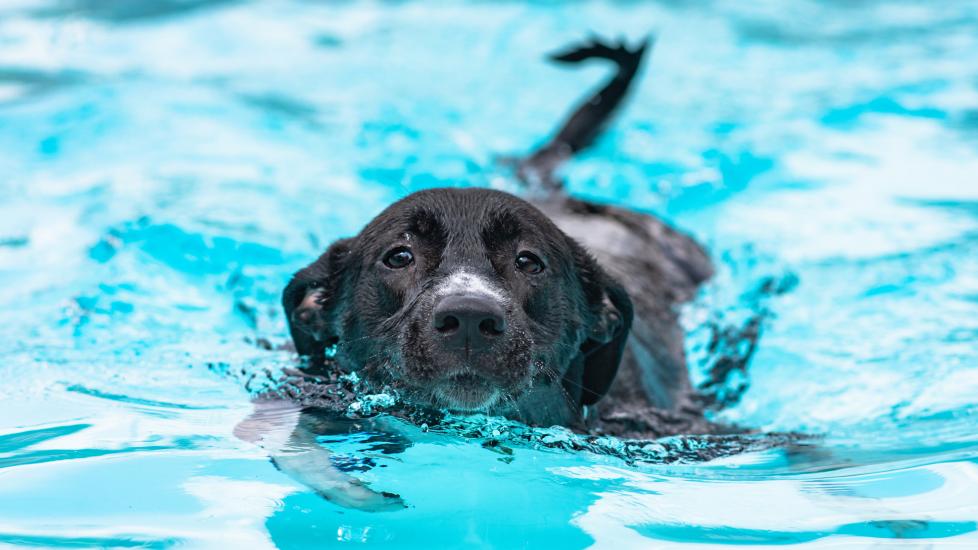
In This Article Can All Dogs Swim? View 6 More +
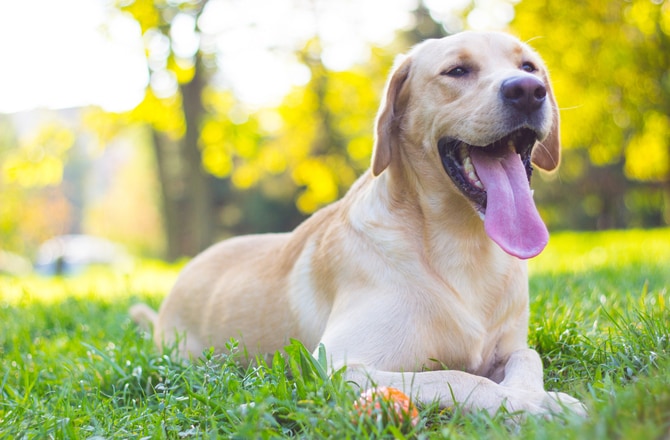
Although a dog’s mouth is usually the epicenter of foul odors, a dog’s digestive system can also impact breath. Probiotics assist in the growth of beneficial bacteria in your dog’s intestinal track, which in turn aids in digestion and prevents lingering odors. According to Dr. Christina Moore of Thrive Affordable Vet Care, the main cause of bad breath, especially chronic bad breath in dogs, is bacteria that inhabits the mouth as well as further down in the GI tract. Moore says that probiotics are a natural way to help the body defend itself against bad bacteria, including the bacteria that causes bad breath.,You know you should brush your dog’s teeth frequently, and you do your best to do it, but the reality is that your dog’s dental care just doesn’t happen on the regular. The result? A buildup of nasty tartar and less-than-fresh dog breath. While nothing beats ongoing dental upkeep in conjunction with veterinary oral health exams, the following tips can help to keep your dog’s mouth smelling cleaner in between brushings:
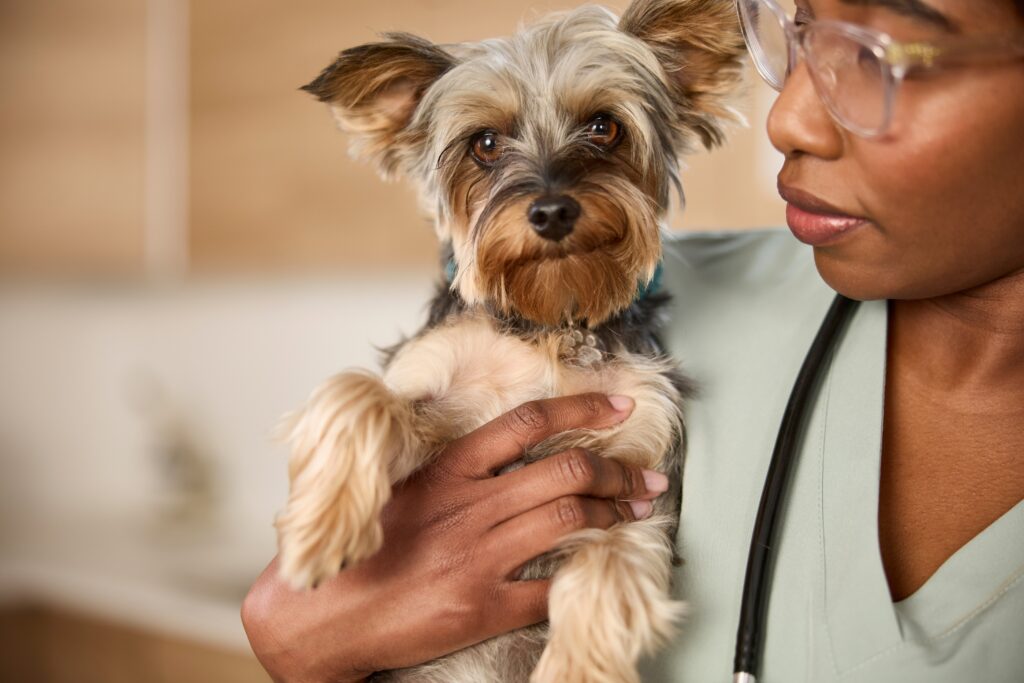
If your dog’s having bouts of vomiting, diarrhea, and stomach pain, they’ll need to get to a vet fast—and there’s a chance the problem could be pancreatitis. Pancreatitis in dogs can be a medical emergency, especially if a dog is showing signs of severe dehydration, such as extreme weakness, pale gums, or quick, rapid breathing. If you notice these symptoms in your dog, call your veterinarian immediately or take your dog to an emergency vet.
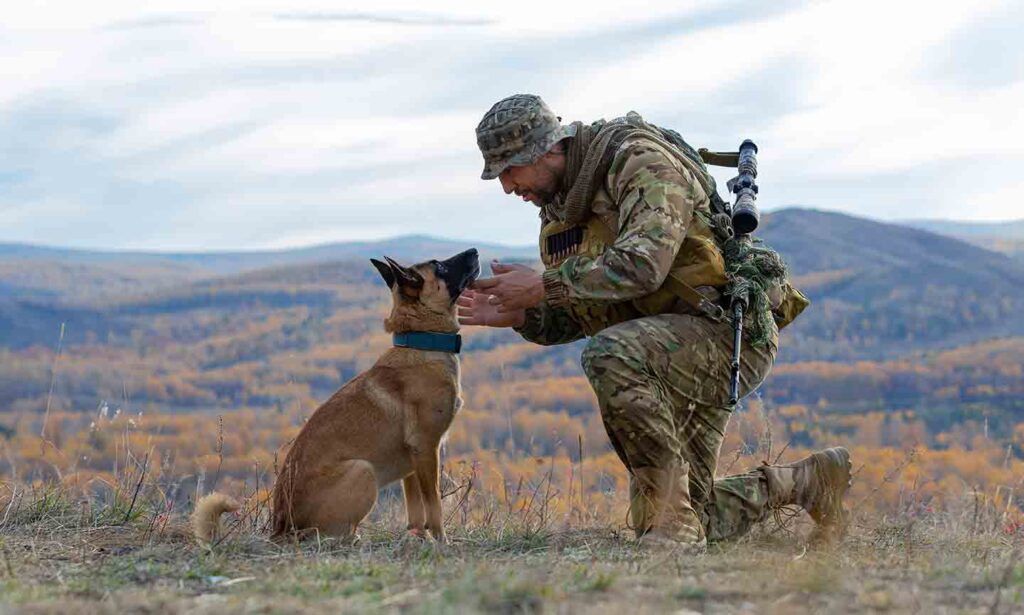
You know those films that just tug at your heartstrings? Dog war movies definitely fit that bill. Whatever the canine’s character—trained service animal, therapy dog or civilian’s best friend—dog war movies honor all that these incredible animals do for us humans. So, on your next night in, why not curl up with your furry best friend to watch a few of the top dog war movies? You’ll probably want to grab a chew toy for them and some popcorn for you—and maybe some tissues, just in case. Here are 10 of the best.
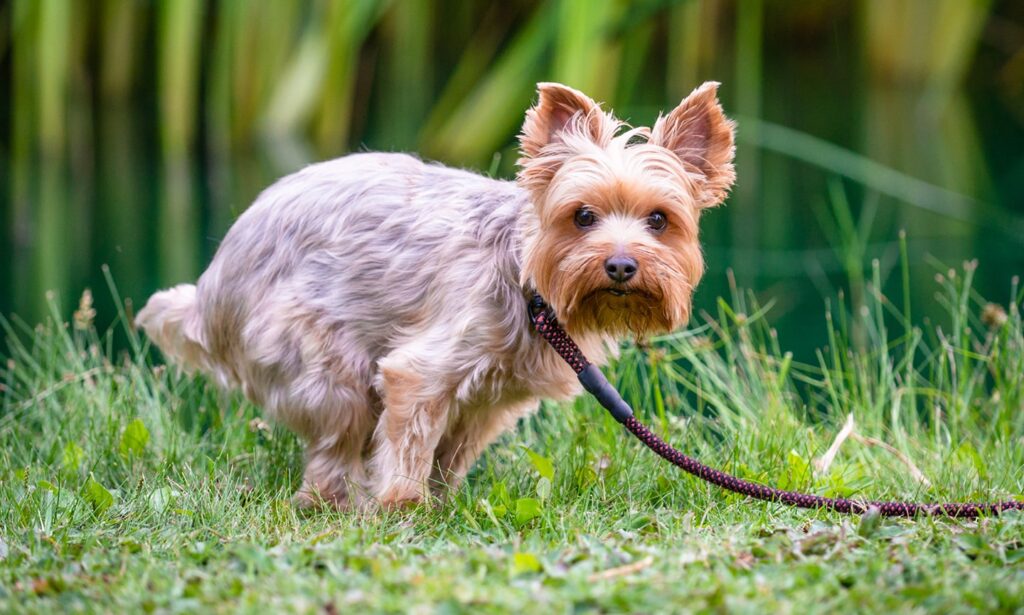
So, how do dogs even get worms in the first place? You keep your house clean and take your pooch to the vet for all their regular checkups, and yet you’re still seeing worms in your dog’s poop. How did they get there? According to Nicole Savageau, VMD, a veterinarian with The Vets in Austin, Texas, some of the most common ways adult dogs get worms are by: Ingesting contaminated soil Eating contaminated feces (i.e., eating an infected dog’s poop) Eating wild animals or rodents that are infected with worms Dogs can also get a tapeworm infection from fleas, according to the U.S. Centers for Disease Control and Prevention (CDC). If a dog has infected fleas on them and then swallows some while self-grooming, the tapeworm eggs can turn into adult worms in your dog’s intestines. Additionally, young puppies can get worms from their mom. Worms can be passed through the mother’s milk and placenta in the early stages of your pup’s life. This is why puppies are often put on a deworming protocol right away, even if no worms are spotted.,Jump to section How Do Dogs Get Worms? What Do Worms Look Like in Dog Poop? Other Signs of Worms in Dogs What To Do if You Find Worms in Your Dog’s Poop Treatment for Worms in Dog Poop How To Prevent Worms in Dogs
What Is a Horse Whisperer? Your Guide to Natural Horsemanship

The 5 Best Winter Dog Sports and Activities to Try With Your Pup