Fenbendazole (Panacur®, Safe-guard®) for Horses
In This Article Overview View 6 More +


Horse
In This Article Overview View 6 More +
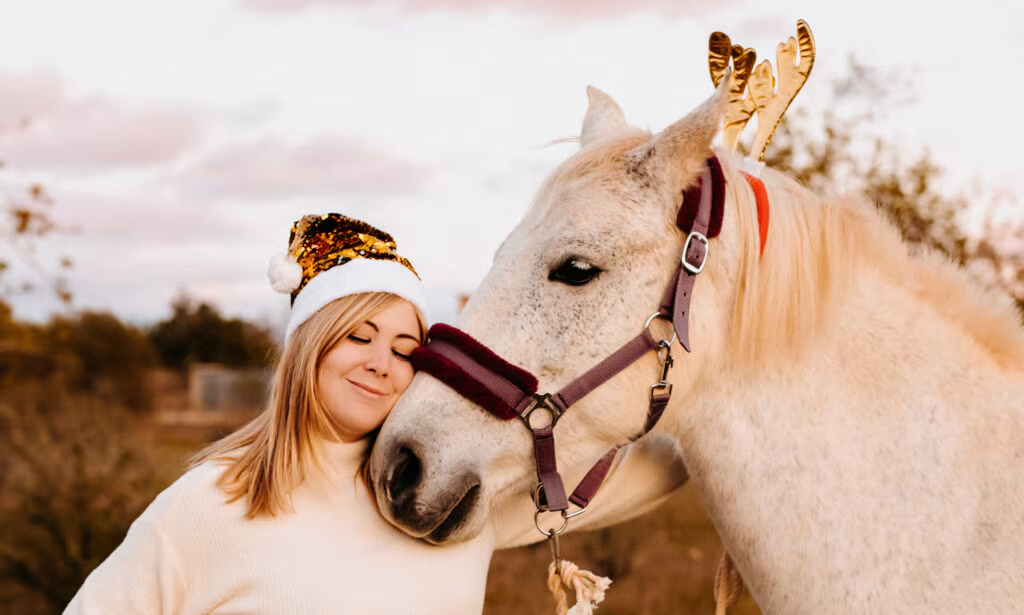
We all know a bona fide horse person in our lives. Whether they’re a horse-crazy kiddo or an adult who never quite grew out of the phase (*raising hand*), selecting a gift for your equine-obsessed loved one doesn’t have to be difficult. Growing up a horse girl and still going strong decades later, I’ve pretty much seen it all when it comes to horsey gift giving. If there’s one thing I’ve learned, it’s that it takes a horse person to know a horse person. So if you’re shopping for a horse lover in your life and don’t know where to start—never fear! I rounded up some top-rated, horse-girl-approved Chewy items to make gift-giving this season easy.

In This Article Can Horses Eat Meat? View 3 More +
In This Article Summary View 6 More +
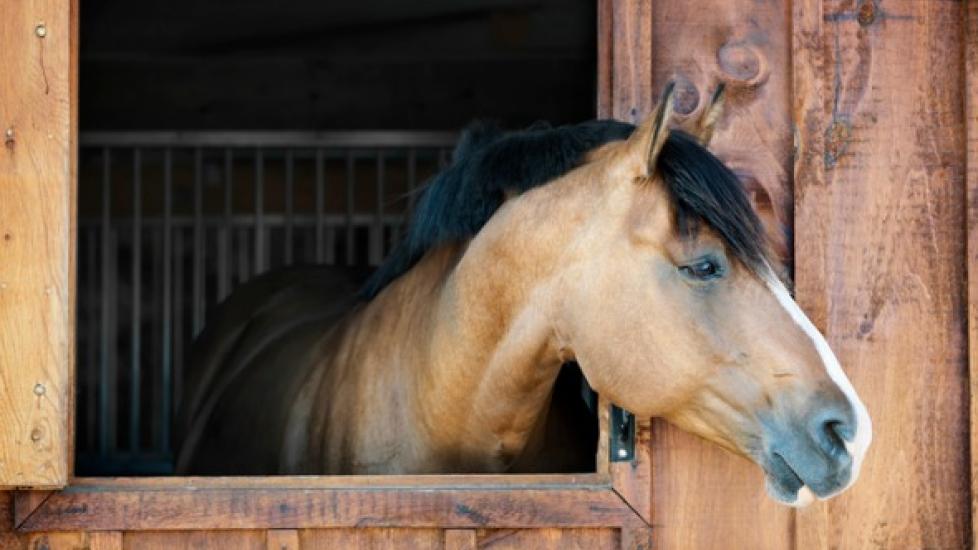
Image via iStock.com/Elenathewise By Cheryl Lock In a perfect world, your horse would spend his days roaming the open fields, grazing at his leisure and snoozing as he sees fit. In the real world, though, many horses tend to spend most of their day in their stalls with only the horse supplies their owners provide them to entertain themselves. Why Extended Stall Time Is Detrimental Unfortunately, being pent up for long periods of time can cause real problems for horses, both physically and emotionally. “Horses are intended to be grazing on the plains between 20 and 22 hours out of the day, so they’re natural lawnmowers that are meant to be using their mouths all the time,” explains Dr. Stephenie Hoke, DVM, MS of Dark Horse Veterinary Service.
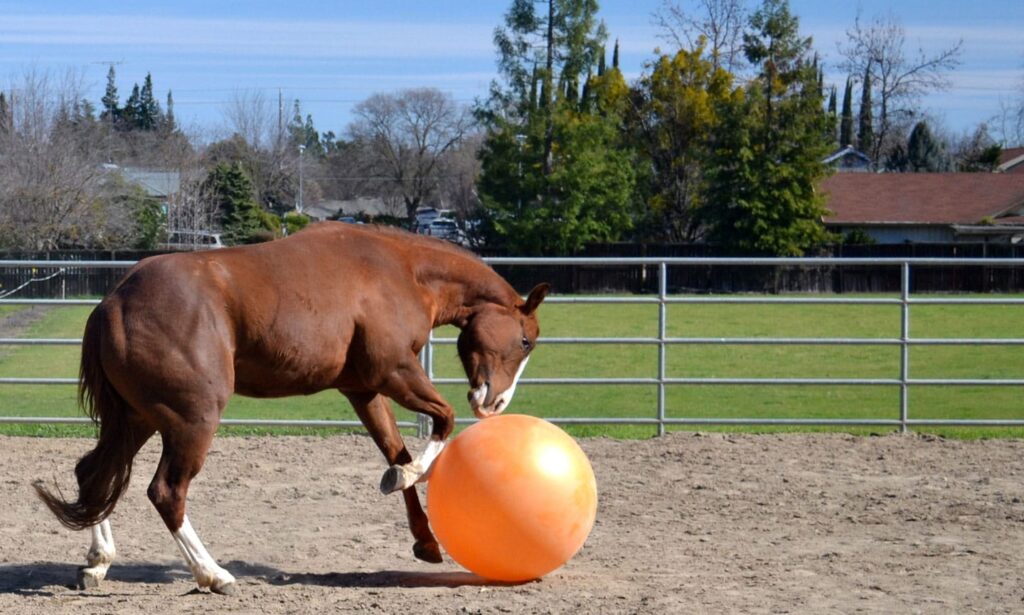
If you’ve spent any time around horses, then you know they are intelligent creatures who can easily become bored. Horse toys can help stave off boredom and provide mental stimulation. “Horses, by nature, are very active beings,” says Erin Rice, director of medical services at Performance Equine Veterinary Services in Summerfield, Florida. In the wild, horses live in herds and are constantly interacting with one another, so a horse’s mind is active all the time. “Studies reveal that they show significant intelligence, and with intelligence will come boredom if there’s nothing to do,” Rice says.

In This Article What Are Salt Blocks for Horses? View 4 More +
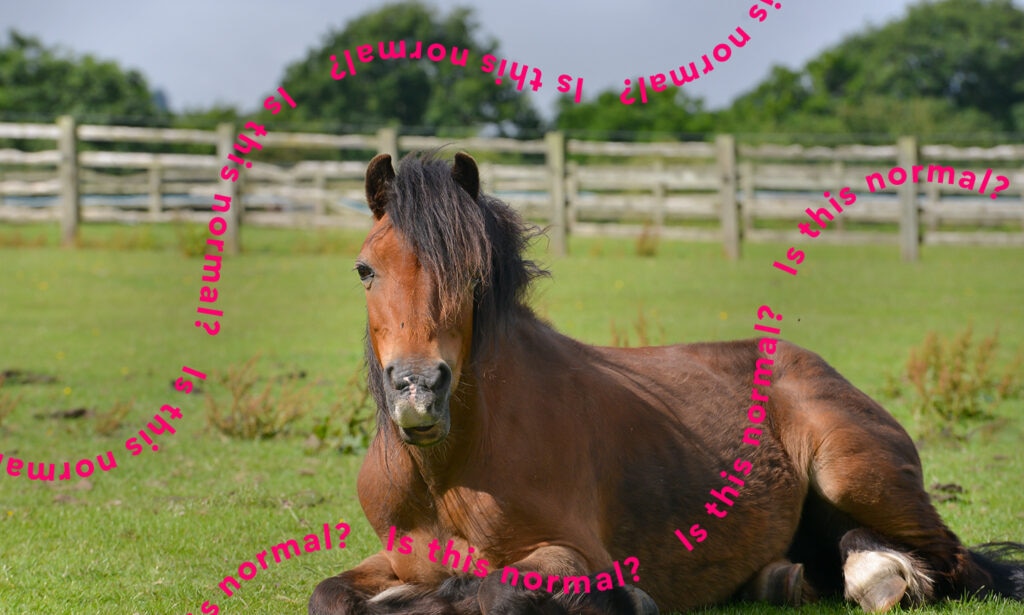
Q: My horse sacks out flat on his side and sleeps so soundly I’ve had neighbors knock on the door to ask if he’s OK! Is it normal for a horse to lie down in the middle of the day? A: Yes, this is probably normal. Sleep deprivation is more concerning than excessive sleeping in horses. If your horse lies down and gets up repeatedly, appearing uncomfortable, assess them for other colic symptoms. But routine naps are generally nothing to worry about—it just means your horse feels safe! To learn more about when and why horses lie down, we spoke with Katherine Houpt, VMD, PhD, professor emeritus of behavior medicine at Cornell University, in Ithaca, New York; and Natalie Lord, DVM, a large and small animal veterinarian at Four Paws – Cuatro Patas, in Austin, Texas.
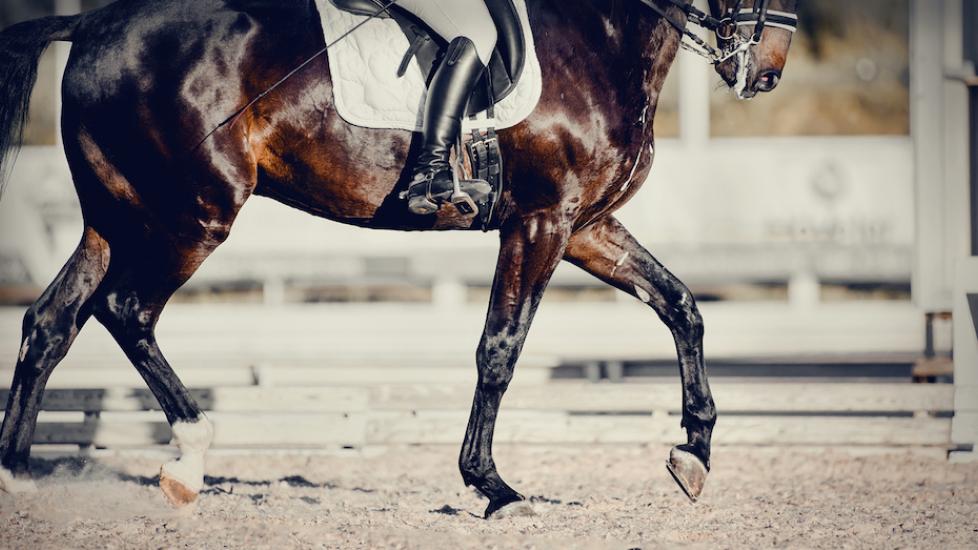
How Do You Get Rid of Chestnuts and Ergots on a Horse? You never want to completely get rid of a horse’s chestnut or ergot. They are a normal part of a horse’s body, and it can be very painful to remove them at the skin level. Some chestnuts or ergots will not shed their outer layer properly and can become very large. Improperly shed chestnuts/ergots can cause skin problems due to an increased risk of them catching on things and being torn off. In these cases, a hoof knife or rasp can be used to trim down the excess tissue. Ask your veterinarian or farrier for assistance if you are uncomfortable deciding how far back to trim them. Featured Image: iStock.com/Azaliya,References Lusi, Carla M., Helen M.S. Davies. The Connectivity and Histological Structure of the Equine Ergot—a Preliminary Study. Journal of Equine Veterinary Science, vol. 51, pp. 79–85. 2017.,What Are Chestnuts on Horses? Ever wonder what the hard callouses on the inside of your horse’s legs are for? Chestnuts on horses can be found on the inside of forelimbs above the knee, as well as below the hocks of hind legs. A horse’s chestnuts are much like human fingerprints in that each one is unique. Chestnuts also grow over time similar to human fingernails. As horses evolved, they traded the stability of having multiple toes for a single very long toe that gives them the ability to reach much higher speeds. During the evolution process, the other toes (like those found in dogs and people) shrank down and in many cases disappeared. The chestnut, a calloused area on the inside of the horse’s forelimb, is leftover evidence of this process. The chestnuts are made of keratinized skin that slowly grows and sheds over time. Horse chestnuts are also known as “night eyes.” It was once believed that chestnuts helped a horse see in the dark. Most breeds of horse have chestnuts on all four limbs, but some horses are missing chestnuts on their back legs, such as the Icelandic horse. Horse chestnuts are also known as “night eyes.” It was once believed that chestnuts helped a horse see in the dark.
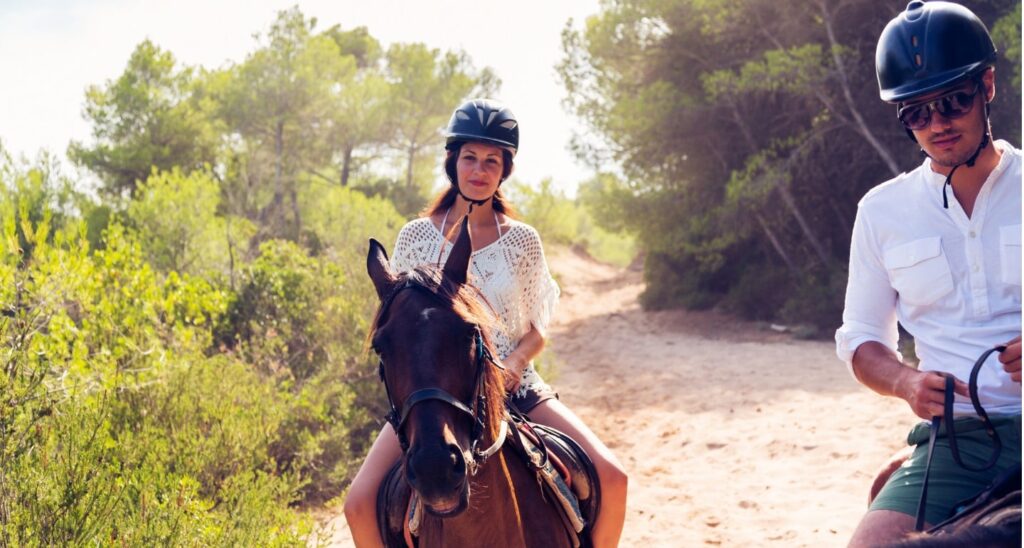
Water is a must, especially on hot days. “On hot days, you’ll need to consume more water to keep from getting dehydrated,” says Pavia, who’s also written “Horses for Dummies.” “Consider freezing one or more bottles of water that you’ll be bringing along. By the time you are ready to drink them, they will have melted. If you’ll be out all day, Pavia recommends packaging a lunch. “A saddle pack with an insulated compartment can keep it cool,” she says. If your trail ride is only a few hours long, she recommends bringing “some snacks, like nuts or a granola bar, to help keep your energy up.” On all-day rides, be sure to keep your horse fed and hydrated, too. “If you’ll be spending time at your trailer, hang a hay net and let your horse eat whenever he’s tied there,” Pavia says. “It will be hard to bring hay along on your ride, so you can allow your horse to graze when you take breaks.” As for water breaks, Pavia recommends finding out if there will be natural water available along the trail or at the trailhead. If not, bring your own water to offer to your horse before you head out trail riding and when you return.,Trail riding is one of the most fun activities you can do with your horse. It can be a relaxing break from schooling in the arena, whether you go for a short jaunt through the woods nearby or out to the mountains for an overnight equestrian adventure. Preparation is key to enjoying an hour, a day or a weekend on the trail. For starters, you and your horse need to be physically and mentally fit for the task. You’ll also need to pack the appropriate gear for the length of your ride. “Even if you’re only headed out for a couple of hours, you’ll want to bring some provisions,” says Audrey Pavia, director of region 2 of the North American Trail Ride Conference (NATRC) and author of “Trail Riding: A Complete Guide.” “The amount you bring will depend on how long you plan to ride and the weather conditions.”

What Is a Horse Whisperer? Your Guide to Natural Horsemanship

The 5 Best Winter Dog Sports and Activities to Try With Your Pup