Griseofulvin for Horses
In This Article Overview View 5 More +


Horse
In This Article Overview View 5 More +
In This Article FAQs
In This Article Summary View 6 More +
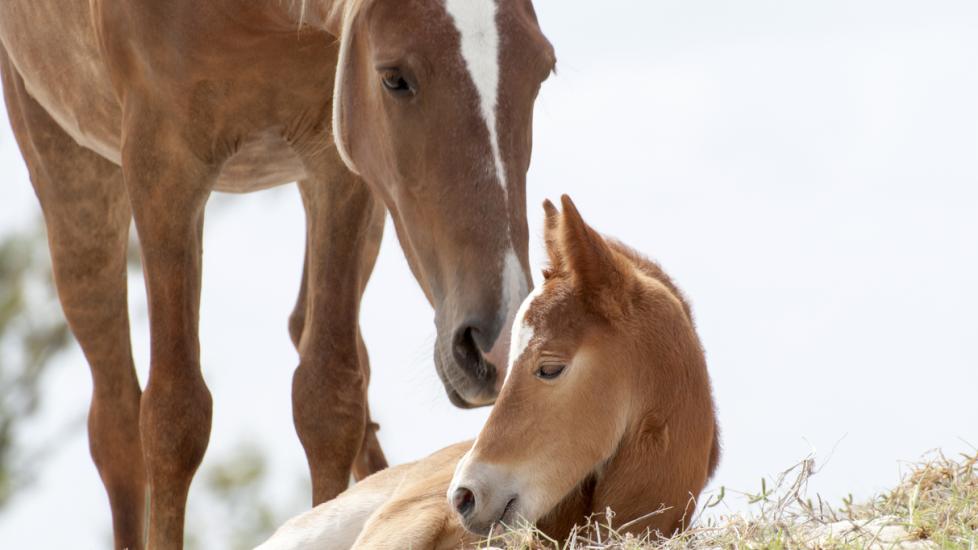
Prevention As the cause of this congenital defect is not yet known, prevention is not possible.,References Featured Image: iStock.com/virsuziglis,Atresia Ani Atresia ani is a rare congenital condition in which a foal is born without an anus. It also may cause part or all of the rectum to be missing. This condition can vary in severity. Surgery is the only option for foals born with this condition and the outcome depends on how badly the foal’s gastrointestinal tract is affected. Symptoms and Types Foals with this condition display signs such as: Colic-like symptoms (e.g., abdominal pain) Straining to pass a bowel movement Swelling of space where anus should be (if rectum intact)
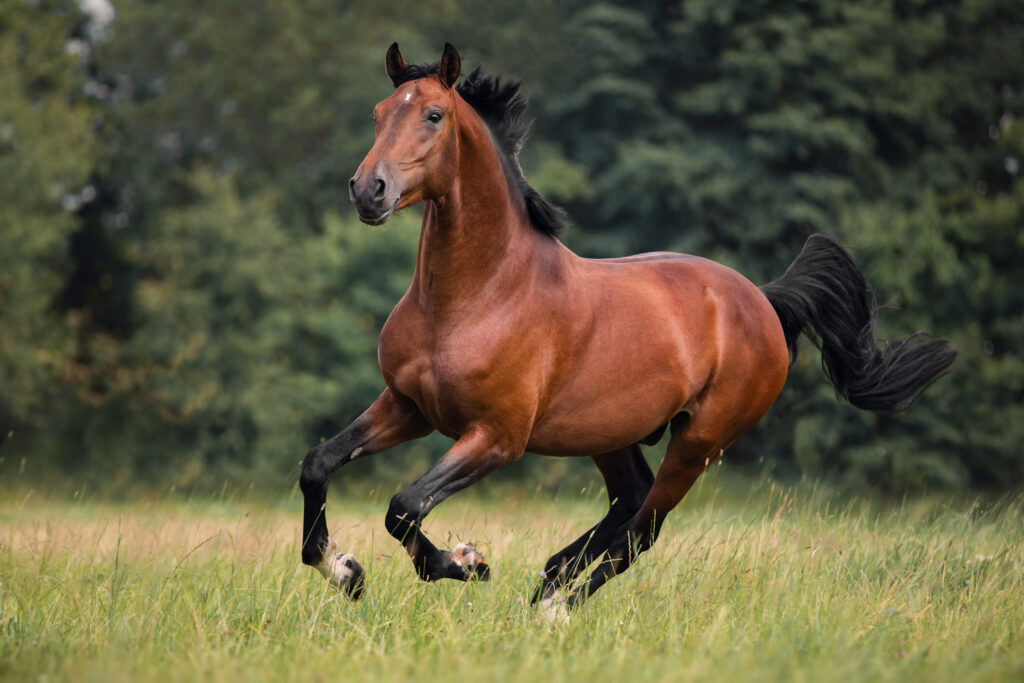
Horses are “hind-gut fermenters,” which means they rely on billions of microbes in their large intestine to digest fiber-based grass and hay. A healthy gut microbiome is essential for their proper digestion, health, and well-being. Probiotics for horses are gaining popularity as a way to support digestive health, boost immunity, and prevent common health issues. But what exactly are probiotics and how do they benefit our equine companions? Let’s take a look at the role these supplements play, the types available, and how to know if your horse may need them.

In This Article Summary View 6 More +
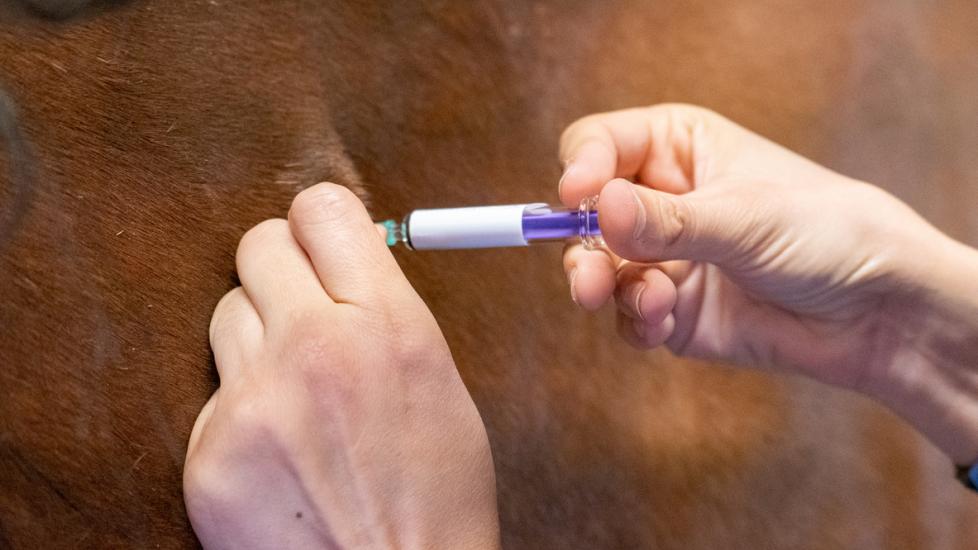
In This Article Which Vaccines Does My Horse Need? View 2 More +
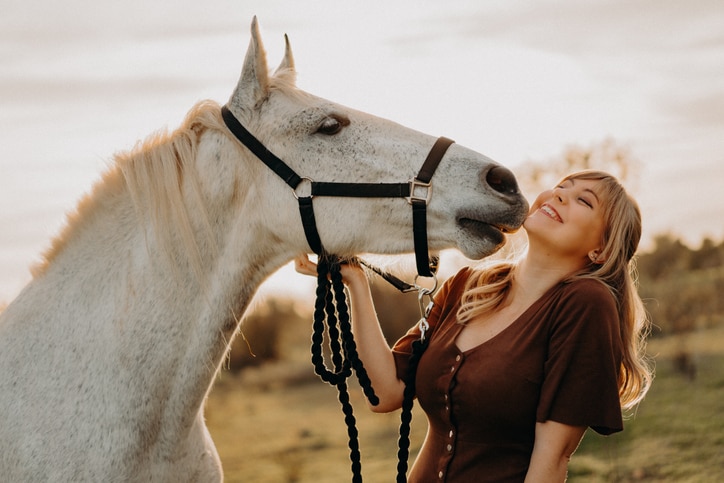
Riding, caring, and working with horses is highly rewarding, partially because there’s always something new and fascinating to learn. Riding horses is a lifelong journey, and these amazing animals are full of surprises. Test your knowledge with these 10 fun facts about horses and see if any of them surprised you!

In This Article What Do Horses Eat? View 5 More +
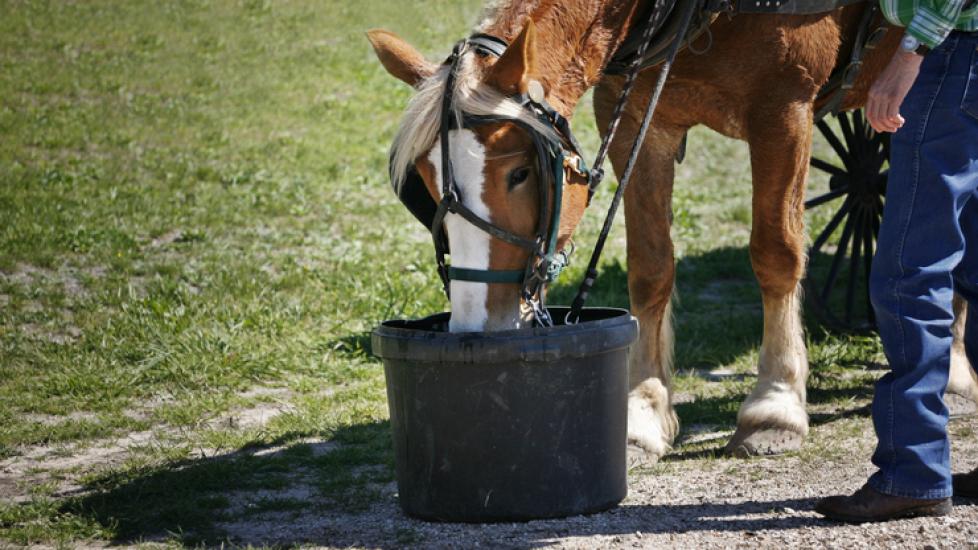
In This Article Does Beer Affect Horses? View 4 More +
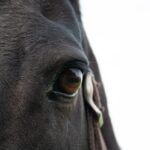
What Is a Horse Whisperer? Your Guide to Natural Horsemanship

The 5 Best Winter Dog Sports and Activities to Try With Your Pup