What Do Different Bunny Positions Mean?
In This Article FAQs


Rabbits
In This Article FAQs
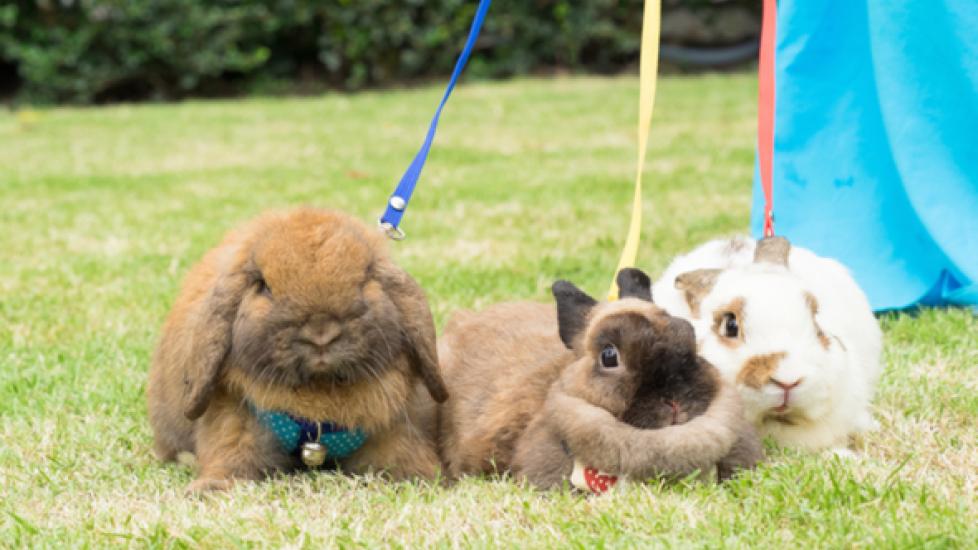
by Cheryl Lock Rabbits make great pets for a number of reasons. They have adorable and distinct personalities, they’re playful, energetic, quirky, and loving — the perfect family companion for some. While it’s true that owners have been known to teach their pet rabbits many tricks — from “fetch” and jumping to litter box training and coming when they’re called— whether or not a rabbit can be properly leash trained is one question bunny owners seem to have over and over again. We consulted some experts to get the definitive answer. Can rabbits be leash trained? The easy answer is yes; with a little patience, a rabbit can be leash trained. The real answer, however, requires a couple of caveats. “First, I want to clarify what ‘leash training’ a rabbit means,” says Nancy LaRoche, chapter manager with the Colorado House Rabbit Society. “It does not mean that the rabbit will hop along beside the human. It means that the human will mostly follow the rabbit, so the rabbit can explore larger areas or run through obstacle courses and remain safe.” How difficult is it to leash train a rabbit? Similar to training for any type of animal, rabbits with a calm demeanor who are willing to try new things will take to training more easily than those who are more stubborn or fearful, says LaRoche. “As with most things having to do with rabbits, leash training requires time, patience, and above all, careful evaluation of what the rabbit is experiencing at each step of the process,” she added. “After all, these are prey animals whose instinct, for the preservation of life, is to be highly cautious of all new experiences.” Training for this behavior requires positive reinforcement, says Barbara Heidenreich, an animal training and behavior consultant with Barbara’s Force Free Animal Training. “That means providing a desired consequence [from the bunny’s point of view!] for each step of the process,” she explained. Are some rabbit breeds better suited for leash training? While it’s not necessarily true that one breed of rabbit is more suited to leash training than another, LaRoche does caution that leash training should not be done with all rabbits, only with those who are calm and enjoy new experiences. “If a rabbit is stressed by relatively minor new experiences, leash training should not be attempted,” she said. “For some rabbits, wearing a harness is equivalent to having been caught by something they can’t get away from, resulting in severe stress. But I’ve seen rabbits from just about every breed who are relaxed and willing to try new things, and those who are badly stressed from such things.” What type of leash is best for rabbits? If you’re interested in leash training your own rabbit, you’ll need a harness that fits the rabbit closely but that is still comfortable for him to wear. “I prefer the type of leash connected to the back of a ‘harness’ that wraps around the rabbit’s body, held snug by both Velcro and buckles,” says LaRoche. “That way, if the rabbit is startled and suddenly dashes away, there is no danger of the rabbit’s neck being jerked and possibly broken. The pressure is against a large portion of the body, which makes stopping the rabbit safe.” Rabbit harness and leashes like these (some look more like “jackets” than harnesses) are available from many pet retailers. What are the steps for leash training a rabbit? LaRoche emphasizes that there is no set time frame in terms of how long this process can take — some rabbits will accept it quickly, while others may never accept it. With that note of caution, using safe treats like tiny pieces of romaine lettuce or parsley as a reward for each step your rabbit accomplishes correctly, try the following to start leash training your pet: Begin by earning trust. Work with your rabbit over a period of several months playing simple games — like peek-a-boo with a small towel, or hiding bits of food in toys for them to find — so that the rabbit has learned to trust you and look to you for safety. “It’s important that a close relationship has been established between the person and the rabbit, so that the rabbit feels that the human has his or her safety and enjoyment as a top priority,” says LaRoche. Introduce your rabbit to her leash and harness by letting her sniff at it and play with it. “Give the rabbit a safe treat when he or she pushes the leash around a little,” suggests LaRoche. Lay the harness portion of the leash on your rabbit and allow her to either let it remain there or shake it off. When your rabbit seems comfortable with the harness and leash, slip the harness on and leave it unbuckled. “If the rabbit struts around like she’s enjoying the harness, continue putting it on and taking it off several times a day without engaging the buckles,” says LaRoche. “If he or she struggles against it, either back up to Step 3 (if you think you’ve moved forward too quickly), or accept that this rabbit may not be a good candidate for leash training.” If your rabbit hasn’t minded the harness being on several times a day for a few minutes at a time, put it on her and buckle it up. Observe your rabbit’s reaction. If she indicates distress, remove the harness quickly. If not, let her wear it for roughly three to five minutes before removing. Repeat this step several times a day. Continue doing this until the rabbit ignores the harness and runs around with it on. When you feel ready, attach the leash to your pet’s harness and let your rabbit feel gentle tugs that redirect her from time to time. Once you’re both comfortable with the leash indoors you can head outdoors, but keep your rabbit’s safety in mind always. “It’s important to stop your rabbit from going around bushes and trees or anyplace where the leash can get wrapped up and the rabbit can feel trapped,” says LaRoche. Remember that hard pulls on the leash or harness will likely lead your rabbit to dislike the experience and ultimately avoid it altogether, says Heidenreich. “When used appropriately, a rabbit should barely notice the harness and leash are on at all.” When is it best to start leash training? While age doesn’t necessarily play a factor in how easily your rabbit takes to his leash, keep in mind that older rabbits may have pain from arthritis or other maladies, so that could inhibit his ability to be leash trained. “Starting with very young rabbits will require changing the size of the harness as the rabbit grows,” says LaRoche. “But an adult rabbit with the right attitude can be trained just as easily as a youngster — sometimes even more easily since the adults have a longer attention span.” Additionally, rabbits tend to be more receptive to food reinforcers in the morning and evening due to their crepuscular nature (active during twilight hours), says Heidenreich. “If you intend to use food to train the behavior, those are good times to have a training session,” she said. “If your rabbit is receptive to touch as a reinforcer — many rabbits like their head and ears stroked —late afternoon is usually a nice time for such interactions.” What are the benefits to leash training a rabbit? When your rabbit is leash trained, the world is her oyster. “A pet rabbit who is leash trained can be taken to exciting new places, provided the human is certain the area is safe from poisons, predators, etc.,” says LaRoche. “She can explore safely, too, since the human always has control and can redirect the rabbit when needed.” Teaching your rabbit to behave while leashed will certainly open up a wide array of new activities for the two of you to enjoy together. However, if you find in the end that your bunny just isn’t comfortable with a harness and leash, fear not — rabbits who prefer the safety of home can develop bonds with their owners that are just as strong as do leash-trained rabbits.
Anorexia / Pseudoanorexia Anorexia is a loss of appetite. Pseudoanorexia, on the other hand, refers to animals that still have an appetite, but are unable to eat because they cannot chew or swallow food. Among this type of anorexia, dental disease is one of the most common causes in rabbits. Symptoms and Types There are various symptoms to look out for when you suspect anorexia or psuedoanorexia in your rabbit; among these: Refusal to eat Fecal pellets that are small in size or amount Weight loss Pain while swallowing (Dysphagia) Pain while eating (Odynophagia) Chronic bad breath (halitosis) Additional clinical signs will vary depending on the underlying cause of the condition. For example, signs of pain such as teeth grinding or a hunched posture may point to oral disease — one particular cause of pseudoanorexia. Causes There are many causes that can lead to anorexia or pseudoanorexia. Anorexia may occur due to: Stomach ulcers Dental diseases A metabolic disorder (e.g., kidney failure) Cardiac failure Infectious disease Respiratory disease Neurological disease Tumor growth Poisoning Environmental or dietary changes Conversely, pseudoanorexia may result from any disease that interferes with the rabbit’s swallowing reflex. Dental diseases such as gingivitis, diseases of the esophagus, and disorders affecting the jaws or teeth are other causes for pseudoanorexia. There are also a number of risk factors that may contribute to the development of anorexia or pseudoanorexia, including diets with an inadequate amount of long-stem hay and immediately following a surgical procedure. Diagnosis Diagnostic procedures vary depending upon which underlying condition is causing the animal’s refusal to eat. Some possible procedures may include a dental exam, X-rays or ultrasounds (to rule out cardiac or lung disease), and urine analysis. The tests performed will depend on the symptoms observed and the suspected cause of disease. Examining the history of the animal’s environment and diet is also important, as it may reveal any changes that lead to psychological anorexia. Treatment Anorexia and pseudoanorexia need to be addressed by treating the underlying cause of the condition. No matter what the cause, it is important the rabbit begins eating again as soon as possible. Most rabbits that haven’t been eating regularly suffer from some degree of dehydration and may require the administration of electrolyte-filled fluids. Some medications may also be helpful. On the other hand, symptomatic therapy (treatment of anorexia-related symptoms) may entail the reduction of environmental stressors and a change in the rabbit’s diet to encourage eating. Living and Management The patient’s body weight, hydration status, eating habits, and production of fecal pellets should all be monitored regularly. Owners should also be aware of possible complications that may develop, such as malnutrition. If any medications are prescribed, they should be administered regularly. While any further post-treatment care will depends on the cause of the disorder. Prevention As there are many causes leading to anorexia or pseudoanorexia in rabbits, it is difficult to suggest any specific methods of prevention. However, psychological causes of anorexia (a lack of appetite) may be prevented by making sure the rabbit is not put in any stressful environments, and that it receives a tempting, healthy diet and a clean cage.
Uterine Adenocarcinoma in Rabbits Uterine adenocarcinoma, a gland-like, malignant type of tumor that arises from the secretory tissue that lines the inner cavity of the uterus, is one of the most common forms of cancer in rabbits, occurring in up to 60 percent of female rabbits over three years old. These malignant uterine tumors usually arise from the endometrial lining of the uterus, or from the inside layers of the uterus. Often uterine cancer forms after a rabbit has already developed some other reproductive problem in its uterus, including endometriosis, a painful condition involving tissue overgrowth in the uterus and reproductive organs. Age seems to be the most important risk factor for this condition. Tumors can also be found in concurrence with other conditions, including bulging veins in the endometrial lining, a condition also referred to as venous aneurysms. Symptoms and Types The signs and symptoms of uterine adenocarcinoma vary from rabbit to rabbit, although generally any female rabbit over 3-4 years of age is most at risk. The presence of blood in the urine is one of the most common findings in female rabbits; other typicaly symptoms include: Vaginal discharge stained with blood Cysts in the mammary glands, and cloudy fluid that may come from the mammary glands Behavioral changes, including aggressiveness Lethargy, inability to eat, and pale mucous membranes (typically occur in later stages of illness) Abdominal masses (typically occur in later stages of illness)) Mammary growths Causes Any female rabbit that is still capable of reproducing is at risk for uterine cancer. Diagnosis The diagnosis usually begins with the exclusion of other causes for the symptoms, including the most obvious cause for a mass in the abdomen: pregnancy. Benign or non-cancerous uterine tumors can also cause many of the symptoms and signs described above. An overgrowth of cells may be associated with other benign conditions as well; however, the symptoms found here are most often ascribed to adenocarcinoma or cancer, especially in females that are greater than three years of age. Anemia often accompanies this condition in females and is helpful for diagnosing the condition. Abnormal results from imaging studies, (i.e., X-ray, ultrasound) can also help to diagnose the condition, as can swollen or abnormal lymph node findings, which are suggestive of the spread of the disease. A definitive diagnosis can be made on the results of a biopsy of the uterine tissue. Treatment Treatment for uterine adenocarcinoma may involve a complete hysterectomy to remove the diseased parts of your rabbit’s organs. This is usually the primary treatment, especially if the cancer has not spread beyond the reproductive organs. A biopsy can be performed to confirm whether the cancer remains in the reproductive organs, or has spread outward to the surrounding organs. Sometimes there is no evidence of the spread of cancer during the time of surgery. Follow-up care may include chemotherapy and medications for pain management. Living and Management Patient monitoring may be necessary during the first couple of years after the initial care to make sure that the remission was successful. If no metastasis (spread) of the disease is evident, then the outcome for the patient is relatively judged to be good. If metastasis of the adenocarcinoma occurs, death may occur within two years of the initial diagnosis.
In This Article General Care View 5 More +
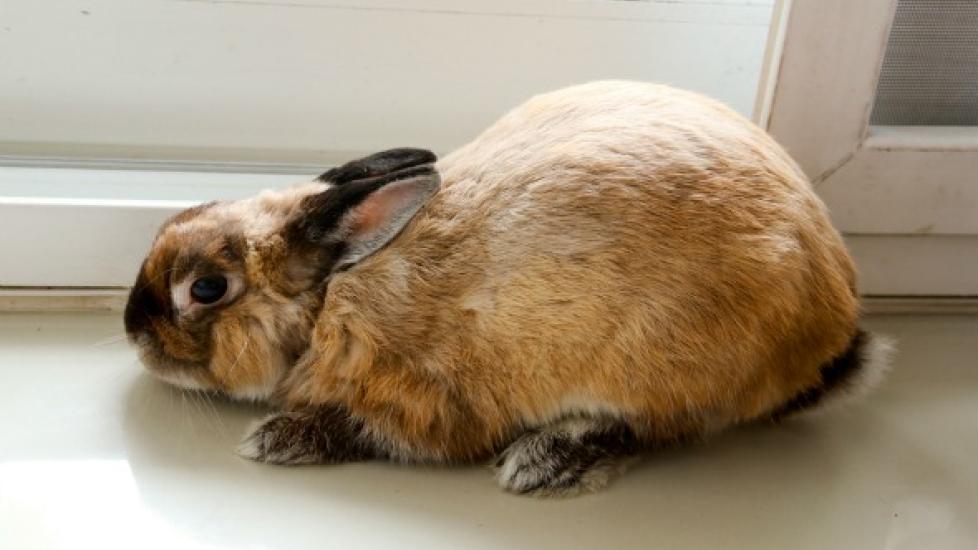
Intoxication in Rabbits Ingestion of toxic substances has the potential for affecting many of a rabbit’s body systems. Intoxication, the clinical term given to poisoning, may be due to eating poisonous substances, such as poisonous plants, or chemicals like rodent poisons, and lead. Intoxication can also occur as the result of inadvertent administration of drugs. Many antibiotics that are commonly prescribed to other mammals can be fatal to rabbits. Rabbits may also have adverse reactions to many common topical products that are safe for use in other mammals, like cosmetic soaps, shampoos, or sprays. Symptoms and Types Seizures Digestive signs of intestinal inflammation Loss of body temperature regulation – high or low Lethargy, listlessness Loss of appetite Depression Causes Ingested toxins Poisonous plants – especially for rabbits that graze outdoors Some indoor houseplants can be toxic to rabbits Lead poisoning – chewing or licking lead-containing household substances, especially painted surfaces or metallic objects Anticoagulant rat poison Inappropriate oral medications or overdose of medication Certain antibiotics Certain pain medications Topically applied products Flea collars Organophosphate-containing products – products used for killing insects, on the body or in the immediate environment Certain sprays and ointments used in high concentrations Insecticides and pesticides – household or outdoor Diagnosis You will need to give a thorough history of your rabbit’s health, onset of symptoms, and possible incidents that might have led to this condition. The history you provide may give your veterinarian clues to the type of toxicity your rabbit is suffering from, enabling your doctor to treat the rabbit quickly, before the condition can affect the major organs. Otherwise, the diagnosis will come about in the course of a differential diagnosis, a process that is guided by deeper inspection of the apparent outward symptoms, ruling out each of the more common causes until the correct disorder is settled upon and can be treated appropriately. The final diagnosis will be based on the clinical signs, and exclusion of all other diagnoses. A complete blood profile will be conducted, including a chemical blood profile, a complete blood count, and a urinalysis. Confirmation of the diagnosis may be made by chemical analysis, but if your rabbit is having a severe reaction, your doctor will be working to find a solution for treating the symptoms before the condition can become fatal. Treatment The first goals of treatment will be to provide emergency intervention, prevent further exposure, prevent further absorption into the blood stream and organs, and provide supportive measures to support the body during recovery. Your veterinarian will apply specific antidotes to hasten elimination of the toxic substance from the body, and wash the skin surface to eliminate toxins, if necessary. The method for treatment will be dependent on the toxin that was ingested, as some toxins can be more harmful leaving the body that they were going into the body. Activated charcoal, stomach lavage, and gastric pumping to eliminate toxins from the stomach may be used when it is safe for the toxin to be brought back through the esophagus. Spraying the skin with water or soaking with cool, wet cloths may alleviate skin discomfort while removing the substance, and if the rabbit’s body temperature is too high, your doctor can use the cool cloths along with convection fans to lower the body temperature, or evaporate external heat by using alcohol swabs on the feet. If the rabbit’s body temperature is too low, restoration of normal temperature may be achieved by using a circulating hot water or air blanket, hot water bottles, or by placing the rabbit in a warmed incubator. If your rabbit is in a more severe state, with breathing problems or cardiac abnormalities, emergency life maintaining measures such as artificial respiration and cardiac massage will be used to correct these conditions. Supplementary oxygen may be given via oxygen cage, mask, or nasal tubes. Once your rabbit has been stabilized and the danger has passed, your veterinarian may proceed with more specific therapeutic measures that are appropriate to the type of toxin that was ingested. Specific antidotes to the poison may be available, medications for seizures may be prescribed if needed, blood transfusions may be necessary for systemic blood poisoning or organ failure, supportive measures may need to be taken for organ failure, and pain relief may be prescribed while your rabbit is recovering from the worst of the intoxication. Living and Management Once your rabbit is completely stabilized and you are able to return home with it, you will need to help your rabbit to recover, first by focusing on food and fluid intake. Encourage oral fluid intake by offering fresh water, wetting leafy vegetables, or flavoring water with vegetable juice, and offer a large selection of fresh, moistened greens such as cilantro, romaine lettuce, parsley, carrot tops, dandelion greens, spinach, collard greens, and good-quality grass hay. Also, continue to offer the rabbit’s usual pelleted diet, as the initial goal is to get the rabbit to eat. A high fiber diet may also be indicated for this condition. Your veterinarian will advise you on the best foods to help your rabbit to regain its health. If the rabbit cannot eat normal foods, you will need to feed the rabbit a gruel mixture by feeding syringe. Follow-up monitoring will depend on the type of toxicant the rabbit ingested or came into contact with. The clinical signs, along with any laboratory abnormalities will guide the process. Observe the rabbit’s general demeanor for signs of improvement or relapse.
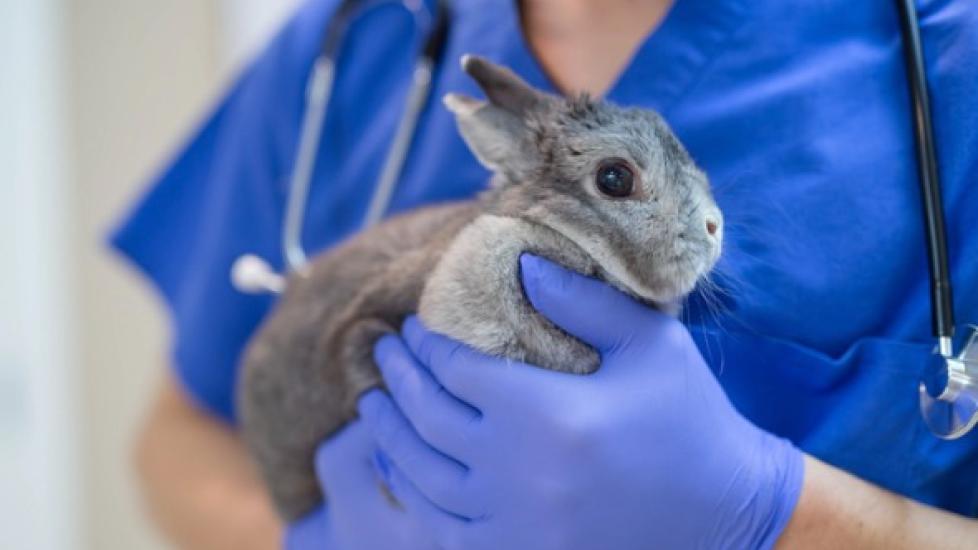
Oxyurids in Rabbits Pinworms are small intestinal worms. Though commonly found in rabbits, Passalurus ambiguus, the rabbit-specific pinworm, generally does not result in significant health issues. They are mostly an incidental finding during examination after death, or when a feces sample is examined and pinworm eggs are found in the sample. Symptoms and Types Pinworms may cause moderate to severe itching, skin inflammation, and redness, especially in the genital and anal areas. And although rare, poor hair coat, weight loss, and rectal prolapse is possible with heavy worm infestation. Rabbits with this infection will also have poor reproductive performance. Causes Transmission is through the ingestion of infected feces — when eggs are passed in the feces and ingested by the same or other rabbits in the environment. It may also spread through contamination of the environment and water. The rabbit pinworm is host specific and is not communicable to other species. Diagnosis Your veterinarian will want to differentiate the symptoms of pinworm infestation from other causes of itching and skin infection in the anal areas. A blood and urinalysis will be taken, along with a sample of feces, for laboratory examination. In some cases, the worms may be directly visible in the feces when the feces are analyzed. Treatment If there are no symptoms present, no treatment will be necessary; however, if worms are seen around the anus, treatment will be necessary. Your veterinarian will clean the adult worms away from the area and apply specific ointments eliminate the worms, along with oral prescriptions for eliminating the pinworms from the body. Living and Management Recurrence is common, even in rabbits that are housed alone. This is because rabbits are known to ingest their own feces and can continue to reinfect themselves. Prevention In addition to thoroughly cleaning a rabbit’s living area, all rabbits suspected of pinworm infection should be treated immediately to prevent cross-infection. Featured Image: iStock.com/FatCamera
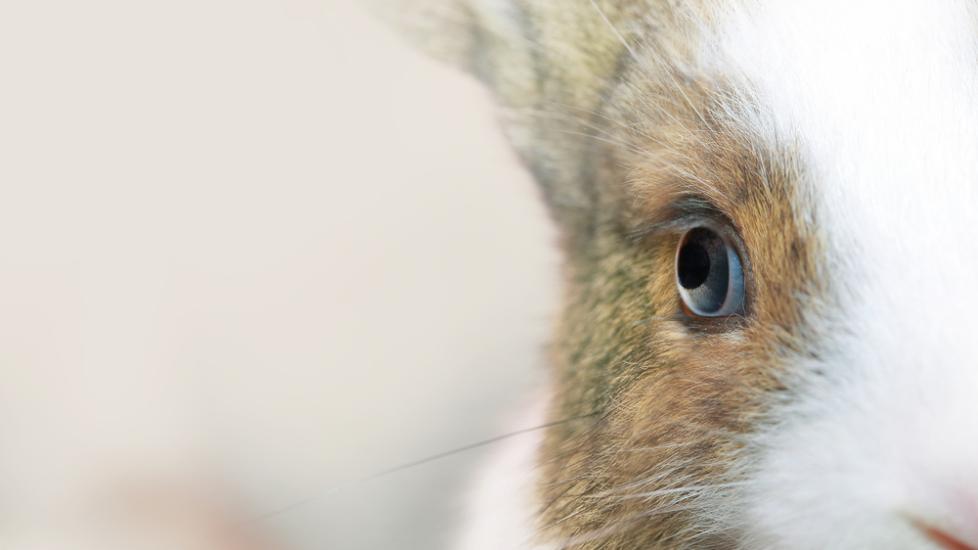
Hyperemia and Red Eye in Rabbits Red eye is a relatively common condition which causes swelling or irritation in the rabbit’s eye or eyelid. This appearance of blood vessels in the eyeball can develop because of various reasons, including many systemic or body diseases. If your rabbit has red eye, seek veterinary advice immediately, as it is generally a secondary symptom to a more serious condition. Symptoms and Types The signs and symptoms of red eye and related conditions often depend on the underlying cause. For example, if the red eye is due to a dental disorder, there may be signs of tooth decay or dental disease in the animal. Other common signs and symptoms may include: Impaired vision Swollen eyelids Eye discharge Extra tissue around the eyes Nasal discharge and upper respiratory infection or cold Hair loss and crusting in the mucous membrane, especially around the eyes, nasal area and cheeks Lethargy Depression Abnormal posture Facial masses Causes Because there are many causes to rabbit red eye, it is often difficult to identify the exact cause. However, some factors may include: Bacterial infections, including Treponema cuniculi (or rabbit syphilis), which can cause swollen eyelids Conjunctivitis, a common disorder causing red eye that can result from allergies, bacterial or viral irritants; sometimes occurring as a side-effect of a respiratory tract infection Keratitis, which is usually a fungal infection of the eye, and which can follow an injury to the eye Glaucoma, which if left untreated, can cause blindness Dental diseases, which can bring debris in the eye, causing inflammation or blocking a tear duct Diagnosis The veterinarian will run a variety of laboratory tests to diagnose the cause for the rabbit’s red eye. This includes skin and other type of cultures, as well as exams testing for cataracts and other ocular diseases that can impair vision and health. If the veterinarian is still unable to diagnose the condition, they may run special tests including: Tonometry – measures the eye pressure in order to diagnose glaucoma and other related disorders Schirmer tear test – detects dry eye , a condition which can lead to red eye Cytologic examinations – identifies infections within the tear ducts and surrounding tissues Fluorescein stains – helps rule out ulcerative keratitis, a condition which can lead to red eye Treatment Treatment is almost always dependent on the underlying cause of the condition. For example, if the rabbit’s red eye is due to a dental disease, a tooth extraction may be necessary; whereas a case of bacterial-caused red eye may require an antibiotic prescription. To alleviate the rabbit’s pain, the veterinarian will prescribe topical anti-inflammatory medication. In some cases, animals will require a short-course of topical steroid agents, especially rabbits with ulcers, delayed wound healing, and those with certain infections. Living and Management Some animals may require long-term pain management. Still others may require repeat eye exams to help ensure the rabbit’s eye inflammation is managed properly, and that eye pressure remains stable to help prevent blindness.
In This Article General Care View 5 More +
Stertor and Stridor Did you know rabbits snore? Even occurring while they are awake, it is generally a result of blockage in the animal’s airway. Typically referred to as stertor and stridor, it can also occur if nasal tissues are weak or flaccid or from excessive fluid in the passages. Symptoms The symptoms, signs and types of stertor and stridor depend on the underlying cause and severity of the condition. For example, an extremely stressed rabbit or a rabbit with a lowered immune system may sound excessively hoarse while breathing. Other typical signs for rabbits suffering from stertor and stridor include: Sneezing Rapid or loud wheezing sounds during breathing Nasal discharge (sometimes due to sinusitis or rhinitis) Discharge from the eyes Lack of appetite Inability to chew or swallow Oral abscesses (especially in the teeth) Causes Rabbits tend to be nasal breathers and any physical deformity or unusual nasal structure can result in a lower-pitched (stertor) or higher-pitched (stridor) sound emanating from the airway or nose. There are, however, many other causes for stertor and stridor in rabbits. These include: Sinusitis and rhinitis Abscesses, elongated teeth or secondary bacterial infections Facial, nasal or other trauma affecting this region, including bites from other insects or animals Allergies and irritants including inhaling pollen, dust or other insects Tumors that lodge in the airway Dysfunction of the neuromuscular system, which may include hypothyroidism or diseases affecting the brainstem Swelling and edema in the upper respiratory system Inflammation of the soft palate or throat and voice box Anxiety or stress Diagnosis To diagnose the animal, a veterinarian will first determine where the sounds are originating from in the rabbit. They will then conduct various lab tests, including X-rays, which are used to explore the rabbit’s nasal cavity and identify any facial abnormalities or signs of abscesses and bacterial infections, such as Pasteurella. Other procedures may include collecting cultures. Treatment Treatment includes providing supplemental oxygen to the rabbit, when appropriate, and providing a quite, cool and calm environment in which to live. A rabbit must also have a clear and unobstructed airway, keeping its ear and nasal cavities clean and debris-free. To combat harmful bacterial infections from developing, the veterinarian may alter the rabbit’s diet to include more leafy greens. Medications which are helpful to control bacterial sinusitis, rhinitis or other related infection include antibiotics. And while steroids may be used to reduce nasal swelling or inflammation, it can worsen bacterial infections and should only be used when absolutely necessary and under the direct care of a trained veterinarian. Living and Management Because stertor and stridor are often related to airway obstructions, there are many serious complications which may arise. Pulmonary edema, or fluid retention in the lungs or airway, is one such common example. It is, therefore, important to closely monitor the rabbit and bring it to the veterinarian’s office for regular checkups and follow-up care during recovery.

What Is a Horse Whisperer? Your Guide to Natural Horsemanship

The 5 Best Winter Dog Sports and Activities to Try With Your Pup